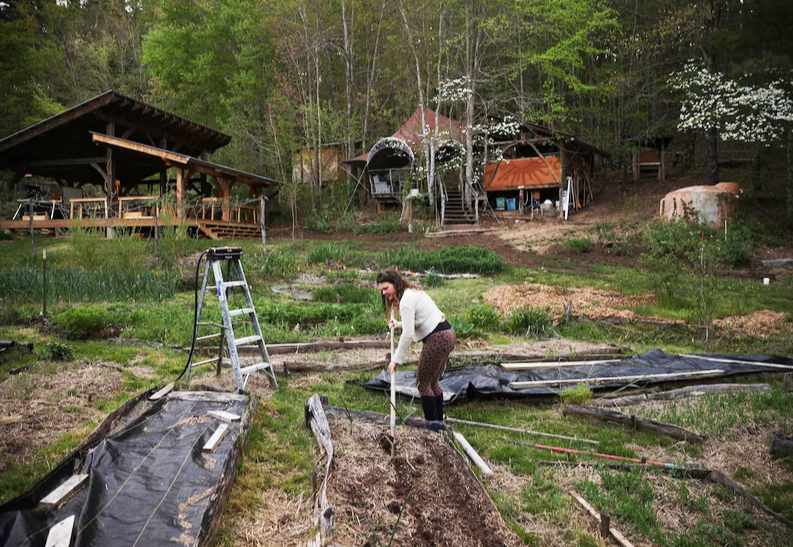
Modern homesteading is more than just growing your own food or raising animals—it’s about creating a self-sustaining, resilient environment that thrives on diversity. The modern homesteading biodiversity importance lies in fostering a balanced ecosystem where plants, animals, insects, and microorganisms all play vital roles. By encouraging a wide range of species, homesteaders can improve soil health, reduce pests naturally, and ensure long-term productivity on their land.
Understanding why biodiversity matters is key for anyone looking to build a sustainable lifestyle. Not only does it enhance food security and resilience, but it also supports ethical practices and environmental stewardship. For those interested in animal welfare as part of their journey, exploring modern homesteading ethical animal care can provide valuable insights into integrating animals responsibly within a biodiverse system.
The Role of Biodiversity in Modern Homesteads
A diverse homestead mimics natural ecosystems, where every organism has a function. From beneficial insects that pollinate crops to soil microbes that break down organic matter, each component contributes to the overall health of the land. When homesteaders prioritize a variety of plants and animals, they create a system that is less vulnerable to disease, pests, and environmental changes.
One of the most significant benefits of biodiversity is natural pest control. Predatory insects, birds, and amphibians help keep pest populations in check, reducing the need for chemical interventions. This not only protects crops but also maintains the integrity of the soil and water sources.
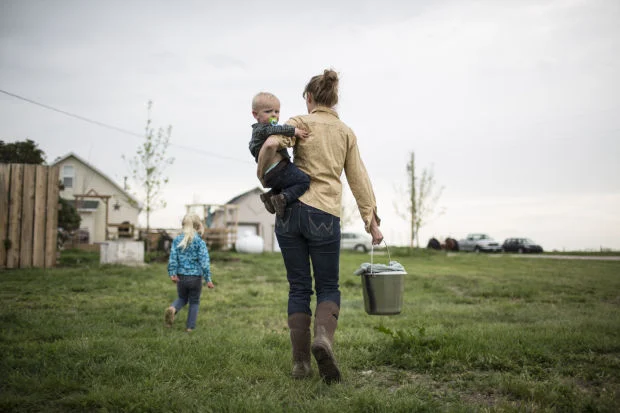
How Biodiversity Enhances Sustainability
Sustainability is at the heart of homesteading, and a biodiverse environment is crucial for achieving it. By cultivating a mix of perennial and annual crops, native plants, and heritage breeds, homesteaders can ensure a steady supply of food and resources throughout the year. This approach also helps conserve water, reduce soil erosion, and improve nutrient cycling.
Incorporating biodiversity into a homestead means thinking beyond the vegetable garden. Fruit trees, shrubs, wildflowers, and cover crops all contribute to a more resilient landscape. These elements attract pollinators, provide habitat for wildlife, and support beneficial fungi and bacteria in the soil.
For those with limited space, rooftop gardens and vertical planting can also support a variety of species. The modern homesteading rooftop gardening guide offers practical tips for maximizing biodiversity even in urban settings.
Practical Steps to Boost Diversity on Your Homestead
Building a thriving, diverse homestead doesn’t happen overnight, but there are several practical steps you can take to get started:
- Plant a variety of crops: Rotate crops each season and include companion plants to deter pests and enrich the soil.
- Encourage native species: Native plants are adapted to local conditions and support local wildlife, making them a valuable addition to any homestead.
- Provide habitats for beneficial creatures: Install birdhouses, bat boxes, and insect hotels to attract natural pest controllers and pollinators.
- Compost organic matter: Composting not only recycles nutrients but also fosters a healthy community of soil organisms.
- Limit chemical use: Avoid pesticides and synthetic fertilizers, which can harm non-target species and disrupt ecosystem balance.
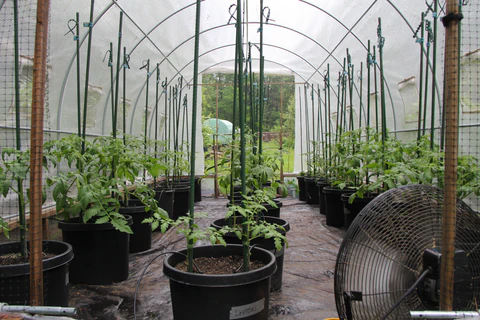
Challenges and Solutions for Maintaining Biodiversity
While the benefits of a diverse homestead are clear, there are challenges to maintaining this balance. Invasive species, changing weather patterns, and limited resources can all threaten biodiversity. However, proactive management and ongoing observation can help address these issues.
Regularly monitoring plant and animal populations allows homesteaders to spot problems early. Removing invasive plants, supporting threatened species, and adapting planting schedules to changing conditions are all effective strategies. Community involvement, such as sharing seeds and knowledge with neighbors, can also strengthen local biodiversity.
For further guidance on creating a sustainable backyard, the modern homesteading backyard sustainability plan provides actionable steps tailored to a range of property sizes and climates.
Integrating Traditional Skills and Modern Approaches
Combining traditional homesteading skills with modern ecological knowledge is a powerful way to support biodiversity. Practices like crop rotation, seed saving, and natural building have stood the test of time and remain relevant today. At the same time, new research and technologies offer fresh insights into soil health, water management, and ecosystem restoration.
Learning from both past and present ensures that homesteaders can adapt to changing circumstances while preserving valuable traditions. The modern homesteading traditional skills revival explores how these time-honored methods can be integrated into contemporary homesteads for greater diversity and resilience.
Expert Perspectives on Biodiversity for Homesteaders
Many experts agree that fostering a wide range of species is essential for long-term homestead success. According to leading voices in the field, biodiversity not only supports food production but also enhances mental well-being and community resilience. For those seeking in-depth discussions and interviews with experienced homesteaders, the Joe Gardener podcast on modern homesteading offers valuable perspectives and practical advice.
By staying informed and open to new ideas, homesteaders can continue to refine their practices and contribute positively to the environment.
Frequently Asked Questions
Why is biodiversity important for a self-sufficient homestead?
Biodiversity ensures that a homestead remains productive and resilient over time. A mix of plants, animals, and beneficial organisms helps control pests, improve soil fertility, and buffer against environmental changes. This diversity also provides a wider range of food and resources, reducing reliance on external inputs.
How can I increase biodiversity if I have limited space?
Even small spaces can support a surprising amount of diversity. Use vertical gardening, container planting, and intercropping to maximize available area. Incorporate native plants and create mini-habitats for pollinators and beneficial insects. Rooftop gardens and balcony planters are also effective ways to boost diversity in urban settings.
What are some common mistakes that reduce biodiversity on homesteads?
Overusing chemicals, planting monocultures, and removing native vegetation are common practices that can harm biodiversity. It’s important to avoid these pitfalls by rotating crops, encouraging a variety of species, and minimizing synthetic inputs. Regular observation and adaptive management help maintain a healthy, balanced ecosystem.