Urban dwellers and those with limited outdoor space are increasingly turning to rooftop gardens as a practical way to embrace modern homesteading. This approach allows individuals and families to grow their own food, increase self-sufficiency, and make the most of every square foot available. With careful planning and the right techniques, even a small rooftop can become a thriving oasis for vegetables, herbs, and pollinator-friendly plants.
This guide covers essential steps, considerations, and best practices for transforming your rooftop into a productive garden. Whether you’re new to urban agriculture or looking to expand your homesteading skills, you’ll find actionable advice to help you succeed.
For those interested in expanding their knowledge about traditional skills and efficient use of space, the article on modern homesteading traditional skills revival offers valuable insights and inspiration for both beginners and experienced homesteaders.
Why Choose Rooftop Gardening for Urban Homesteading?
City environments often lack the open land needed for conventional gardens. Rooftop gardening provides a unique solution, making it possible to cultivate food and flowers above the hustle and bustle. This method supports modern homesteading by:
- Maximizing underused space for food production
- Reducing grocery bills and food miles
- Improving building insulation and reducing urban heat
- Creating habitats for pollinators and beneficial insects
- Offering a peaceful retreat and connection to nature
With the right setup, rooftops can support a surprising variety of crops and even small livestock, such as chickens or bees, further enhancing your self-reliance.
Planning Your Rooftop Homestead: Key Considerations
Before you start hauling soil and planters upstairs, it’s essential to assess your rooftop’s suitability for gardening. Here are the most important factors to consider:
- Structural Integrity: Consult a structural engineer or building professional to ensure your roof can safely support the additional weight of soil, containers, water, and plants.
- Access and Safety: Safe and convenient access is crucial. Install railings or barriers as needed, and consider how you’ll transport materials up and down.
- Sunlight Exposure: Most vegetables and herbs require at least 6–8 hours of direct sunlight daily. Observe your rooftop at different times to determine the best spots for sun-loving and shade-tolerant plants.
- Water Supply and Drainage: Easy access to water is vital. Plan for efficient watering methods and ensure your roof has proper drainage to prevent leaks or pooling.
- Wind Protection: Rooftops can be windy, which may stress plants and dry out soil quickly. Use windbreaks like trellises, fencing, or tall plants to shield your garden.
Once these basics are addressed, you can move on to designing your rooftop layout and selecting crops.
Designing an Efficient Rooftop Garden for Homesteaders
Space is at a premium on most rooftops, so thoughtful design is key. Here are some tips for maximizing productivity and enjoyment:
- Use Vertical Space: Install trellises, shelves, or wall-mounted planters to grow climbing crops like beans, peas, and cucumbers.
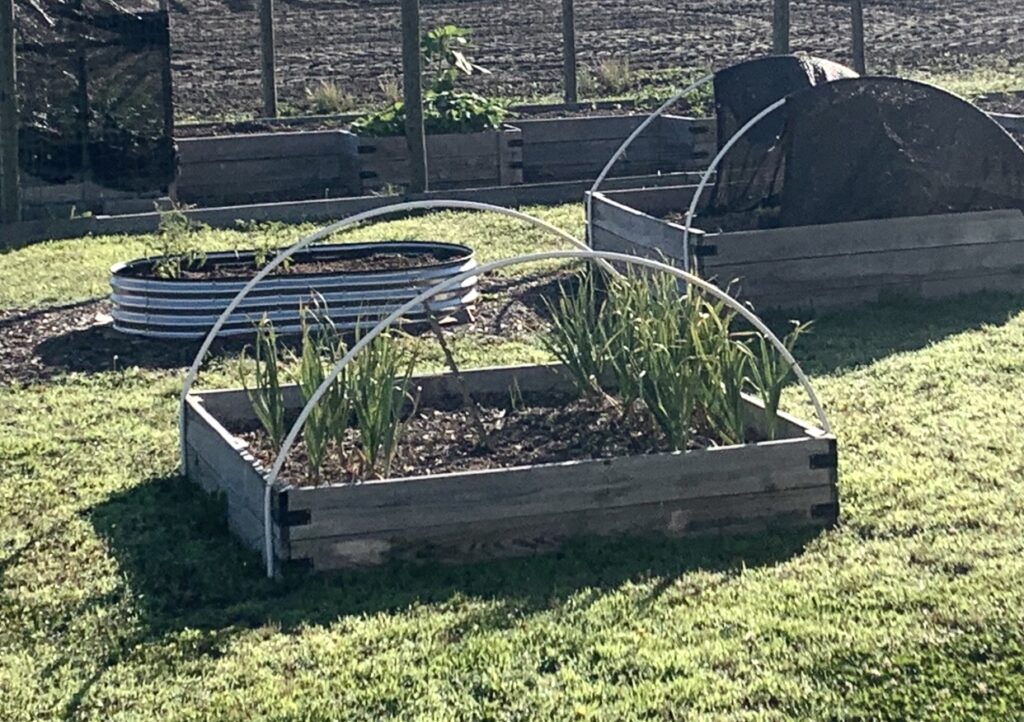
- Choose Lightweight Containers: Opt for fabric grow bags, plastic pots, or raised beds made from lightweight materials to minimize load.
- Group Plants by Water Needs: Place thirsty crops together and drought-tolerant varieties in separate areas for efficient watering.
- Incorporate Companion Planting: Combine plants that benefit each other, such as tomatoes with basil or carrots with onions, to improve yields and reduce pests.
- Plan for Pollinators: Add flowering herbs and native plants to attract bees and butterflies, supporting both your crops and local biodiversity.
For more ideas on optimizing small spaces, explore resources like modern homesteading efficient space planning and modern homesteading micro homestead ideas.
Choosing the Best Crops for Rooftop Homesteads
Not every plant thrives in containers or exposed rooftop conditions, but many are well-suited to this environment. Consider these reliable choices:
- Leafy Greens: Lettuce, spinach, kale, and arugula grow quickly and tolerate partial shade.
- Herbs: Basil, parsley, chives, mint, and thyme are compact and productive.
- Root Vegetables: Radishes, carrots, and beets do well in deep containers.
- Tomatoes and Peppers: Choose compact or determinate varieties for best results.
- Strawberries: These can be grown in hanging baskets or vertical planters.
- Pollinator Plants: Lavender, calendula, and nasturtiums attract beneficial insects.
Experiment with different crops to see what works best in your unique microclimate. Keep in mind that rooftop gardens may require more frequent watering and feeding due to increased sun and wind exposure.
Soil, Compost, and Watering Strategies for Rooftop Gardens
Healthy soil is the foundation of any productive garden. For rooftop setups, use a high-quality, lightweight potting mix that retains moisture but drains well. Mix in compost or worm castings to boost fertility. If space allows, consider a small worm bin or compost tumbler to recycle kitchen scraps and create your own organic fertilizer.
Watering is another key concern. Rooftop containers dry out faster than ground-level beds, especially in hot weather. Drip irrigation systems, soaker hoses, or self-watering containers can help maintain consistent moisture. Mulch the surface of your pots with straw or shredded leaves to reduce evaporation and keep roots cool.
Maintaining Your Urban Homestead: Pests, Pollinators, and Sustainability
While rooftops are less prone to some pests, you may still encounter aphids, spider mites, or fungal diseases. Inspect plants regularly and use organic controls like insecticidal soap or neem oil when needed. Encourage natural predators by planting flowers and providing water sources for pollinators and birds.
For a more holistic approach to city homesteading, explore topics like modern homesteading bartering ideas and modern homesteading knitting for beginners to round out your self-sufficiency skills.
To learn more about the broader principles and history of self-reliant living, the article all about homesteading provides a comprehensive overview of the movement and its relevance today.
Frequently Asked Questions
What are the main challenges of rooftop gardening for homesteaders?
The biggest challenges include ensuring the roof can support the weight of soil and plants, dealing with wind exposure, and maintaining consistent watering. Careful planning and the right materials can address most of these issues.
Can I keep chickens or bees on a rooftop homestead?
In some cities, it’s possible to keep small flocks of chickens or even beehives on rooftops, provided local regulations allow it and the structure is safe. Always check with your building management and local ordinances before adding animals.
How do I make my rooftop garden more sustainable?
Use organic practices, compost your food scraps, collect rainwater if possible, and choose native or drought-tolerant plants. Incorporating pollinator-friendly flowers and avoiding chemical pesticides will also support a healthier ecosystem.
With the right approach, rooftop gardening can be a rewarding and productive way to practice modern homesteading in the heart of the city. By following these guidelines and continuing to learn, you can enjoy fresh food, greater self-sufficiency, and a greener urban environment.