Embracing a more sustainable lifestyle is becoming increasingly important for individuals and families seeking to reduce their environmental impact. The concept of modern homesteading blends traditional self-sufficiency with today’s eco-conscious values, offering practical ways to live in harmony with nature whether you’re in the countryside or a suburban neighborhood. This modern homesteading eco friendly living guide explores actionable steps, essential principles, and useful resources to help you create a greener, more resilient home.
From growing your own food to conserving resources and supporting biodiversity, adopting eco-friendly homesteading practices can transform daily routines and long-term habits. Before diving into specific strategies, it’s helpful to understand how these principles can be adapted to different spaces and lifestyles. For those interested in planning a sustainable backyard, the modern homesteading backyard sustainability plan offers a detailed look at designing an environmentally responsible outdoor space.
Key Principles of Sustainable Homesteading
At its core, eco-friendly homesteading is about minimizing waste, conserving resources, and nurturing the land. Here are several foundational principles to guide your journey:
- Resource Conservation: Use water, energy, and materials efficiently to reduce your ecological footprint.
- Soil Health: Prioritize composting, mulching, and organic gardening to build fertile, living soil.
- Biodiversity: Encourage a variety of plants and animals to create a balanced, resilient ecosystem.
- Local Food Production: Grow fruits, vegetables, and herbs at home to cut down on food miles and packaging waste.
- Ethical Animal Care: If you keep livestock, focus on humane treatment and natural living conditions.
For a deeper dive into animal welfare on the homestead, explore the modern homesteading ethical animal care resource.
Growing Food the Eco-Conscious Way
Raising your own produce is a cornerstone of sustainable living. Whether you have a large plot or a small yard, there are methods to suit every situation:
- Raised Beds: These help improve soil drainage, reduce weeds, and make gardening accessible for all ages.
- Companion Planting: Pairing compatible plants can naturally deter pests and boost yields without chemicals.
- Organic Practices: Avoid synthetic fertilizers and pesticides, opting for natural amendments and biological pest control.
- Seed Saving: Collect seeds from your healthiest plants to ensure resilience and reduce dependency on commercial suppliers.
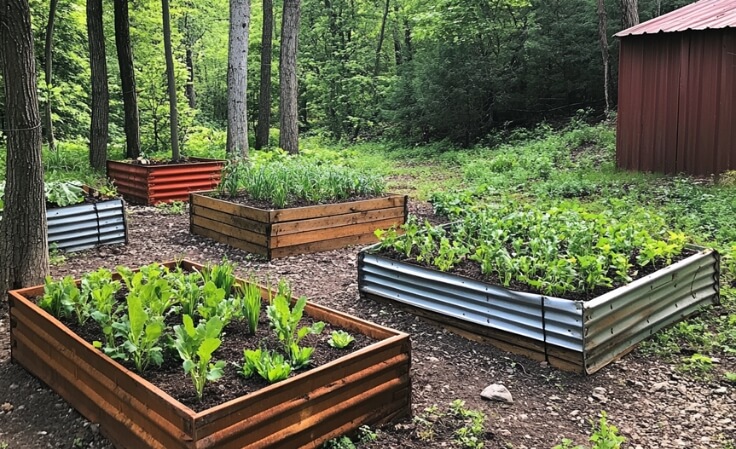
Urban dwellers can also benefit from rooftop or container gardening. For step-by-step advice, see the modern homesteading rooftop gardening guide.
Eco-Friendly Animal Husbandry and Land Management
Integrating animals into your homestead brings many benefits, from natural fertilizer to pest control. However, it’s essential to prioritize their well-being and the health of your land. Key practices include:
- Rotational Grazing: Move livestock regularly to prevent overgrazing and promote pasture regeneration.
- Natural Diets: Feed animals a species-appropriate, chemical-free diet whenever possible.
- Habitat Enrichment: Provide shelter, shade, and stimulation to support animal health and reduce stress.
- Waste Management: Compost manure to return nutrients to the soil and minimize pollution.
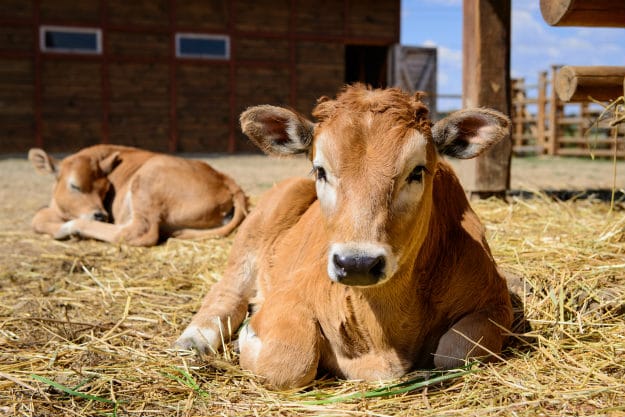
If you’re interested in the broader environmental impact of your homestead, the modern homesteading biodiversity importance article explains how supporting a variety of species can strengthen your ecosystem.
Efficient Use of Space and Resources
Making the most of your available land—no matter the size—is a hallmark of modern homesteading. Here are some strategies to maximize efficiency:
- Vertical Gardening: Grow climbing plants on trellises or walls to save ground space.
- Intercropping: Plant fast-growing crops alongside slower ones to optimize harvests.
- Rainwater Harvesting: Collect and store rainwater for irrigation to reduce reliance on municipal supplies.
- Renewable Energy: Incorporate solar panels, wind turbines, or other clean energy sources to power your homestead.
Thoughtful planning is key. For tips on organizing your property for both productivity and sustainability, check out the modern homesteading efficient space planning guide.
Reducing Waste and Closing the Loop
A zero-waste mindset is central to eco-friendly living. Here’s how to minimize your household’s environmental impact:
- Composting: Turn kitchen scraps and yard waste into nutrient-rich compost for your garden.
- Repurposing Materials: Reuse containers, wood, and other items instead of discarding them.
- Bulk Buying and Preservation: Purchase staples in bulk and preserve seasonal produce through canning, drying, or fermenting.
- Mindful Consumption: Choose quality, long-lasting goods and avoid unnecessary purchases.
By closing the loop on resources, you’ll not only reduce landfill waste but also save money and build resilience.
Learning from the Homesteading Community
One of the greatest strengths of this movement is the willingness to share knowledge and experiences. Whether you’re a beginner or a seasoned homesteader, connecting with others can provide inspiration and troubleshooting support. There are many online resources, including the Willowbottom guide to modern homesteading, which offers practical advice and real-world examples.
Workshops, local gardening clubs, and social media groups are also valuable for exchanging tips and finding encouragement. Remember, every homestead is unique—what works for one may need to be adapted for another.
Frequently Asked Questions
What are the first steps to starting an eco-friendly homestead?
Begin by assessing your available space and resources. Start small with a garden bed, compost bin, or rainwater barrel. Learn about your local climate and soil, and gradually incorporate more sustainable practices as you gain confidence.
Can you practice modern homesteading in the city?
Absolutely. Many urban dwellers grow food in containers, keep bees or chickens (where permitted), and use rooftop or balcony gardens. The key is to adapt homesteading principles to your environment, focusing on what’s possible in your space.
How can I make my homestead more energy efficient?
Use energy-saving appliances, switch to LED lighting, and insulate your home to reduce heating and cooling needs. Consider renewable energy options like solar panels, and always look for ways to reduce overall consumption.
Conclusion
Adopting a sustainable approach to homesteading isn’t about perfection—it’s about making thoughtful choices that benefit your family, your community, and the planet. By following the principles outlined in this guide, you can create a more resilient, eco-friendly home that supports both your well-being and the environment.