Building a thriving homestead today means blending traditional self-sufficiency with smart, modern planning. Whether you’re starting on a suburban lot or a rural acreage, a well-structured modern homesteading checklist can help you turn your vision into reality. This guide covers essential steps, practical tips, and key resources to help you create a productive, resilient, and enjoyable homestead.
Before diving into the details, it’s important to recognize that every homestead is unique. Your goals, climate, available land, and experience will shape your journey. By following a step-by-step approach and learning from others, you can avoid common pitfalls and make steady progress. For those interested in growing their own food, you might also find our guide on how to grow onions from bulbs helpful as you plan your garden.
Getting Started: Define Your Homesteading Goals
Every successful project begins with a clear vision. Take time to consider what you want from your homesteading experience. Are you aiming for total self-sufficiency, or do you want to supplement your family’s food supply? Do you plan to raise animals, grow a large garden, or focus on sustainability projects?
- List your top priorities: Food production, energy independence, income generation, or lifestyle changes.
- Assess your resources: Land size, soil quality, water availability, and your budget.
- Set realistic timelines: Start with a few manageable projects and expand as you gain experience.
For more background on what defines a modern homestead, see this in-depth explanation of modern homesteading principles.
Land and Site Assessment for Homesteaders
Understanding your property’s strengths and limitations is a crucial step in any modern homesteading checklist. Walk your land and take note of:
- Sunlight patterns: Identify the best spots for gardens, orchards, and solar panels.
- Water sources: Locate wells, streams, or rainwater catchment areas.
- Soil quality: Test soil for nutrients and drainage to plan your planting strategy.
- Existing structures: Evaluate barns, sheds, fences, and their potential uses or repairs needed.
Mapping your property can help you visualize where to place gardens, animal shelters, compost bins, and other features. This step saves time and money by preventing costly mistakes down the line.

Planning Your Garden and Food Production
Growing your own food is a cornerstone of homesteading. Start by deciding what crops and livestock will best suit your needs and environment. A thorough modern homesteading checklist for food production includes:
- Choosing crops: Focus on vegetables, fruits, and herbs your family eats most.
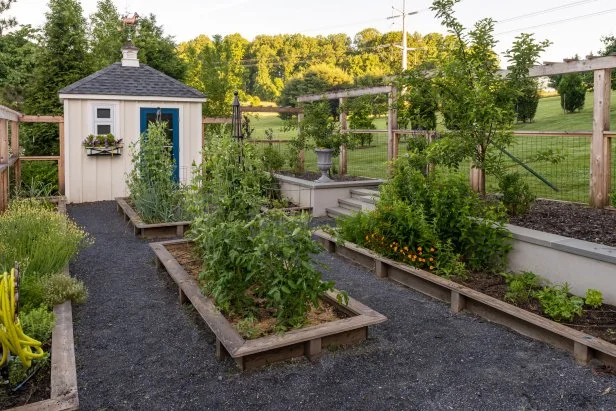
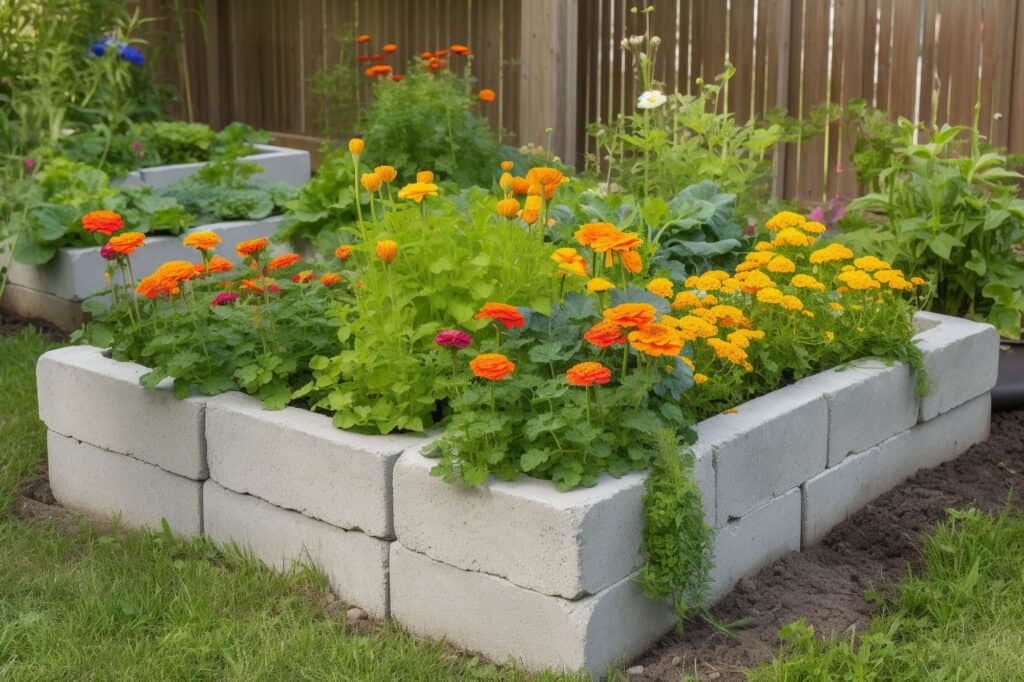
- Garden layout: Raised beds, in-ground rows, or container gardening depending on space and soil.
- Soil preparation: Amend with compost, mulch, and organic matter for healthy plants.
- Planting schedule: Use local frost dates and succession planting to maximize harvests.
- Livestock considerations: Chickens, goats, bees, or rabbits can add food variety and fertility to your land.
If you’re working with limited space, our article on how to grow vegetables in small spaces offers practical solutions for urban and suburban homesteads.
Essential Infrastructure and Tools
Investing in the right infrastructure early on will make your homesteading journey smoother. Here are some key items to include in your setup:
- Water systems: Rain barrels, drip irrigation, and hoses for efficient watering.
- Compost bins: Turn kitchen and garden waste into valuable soil amendments.
- Fencing: Protect gardens from wildlife and secure livestock.
- Basic tools: Shovels, rakes, hoes, pruners, and wheelbarrows are must-haves.
- Storage: Sheds or covered areas for tools, feed, and harvested crops.
As your homestead grows, you may want to add greenhouses, cold frames, or root cellars to extend your growing season and improve food storage.
Seasonal Tasks and Maintenance
Staying organized is easier with a seasonal approach. Here’s a sample breakdown for your annual planning:
| Season | Key Tasks |
|---|---|
| Spring | Start seeds, prep beds, plant cool-weather crops, repair fences. |
| Summer | Watering, weeding, harvesting, preserve produce, monitor pests. |
| Fall | Plant cover crops, mulch beds, store harvest, clean tools. |
| Winter | Plan next year’s garden, order seeds, maintain equipment, indoor projects. |
By following a seasonal rhythm, you’ll keep your homestead productive and avoid being overwhelmed by last-minute chores.
Building Community and Learning Resources
Modern homesteading is as much about connection as it is about independence. Join local gardening clubs, online forums, or social media groups to share experiences and ask questions. Attending workshops or volunteering at nearby farms can also provide hands-on learning and valuable friendships.
Don’t overlook the value of books, podcasts, and reputable websites. Continuous learning will help you adapt to challenges and discover new techniques. For inspiration, check out our list of the best vegetables to grow at home for a productive garden.
Tracking Progress and Adapting Your Homestead
Keep a homestead journal to document what works and what doesn’t. Record planting dates, harvest yields, weather patterns, and any issues with pests or diseases. This information will help you refine your approach each year.
- Review goals annually: Adjust your plans based on what you’ve learned and changing needs.
- Celebrate milestones: Take time to appreciate your progress, no matter how small.
- Stay flexible: Weather, markets, and family situations can all shift—adapt as needed.
Homesteading is a journey, not a destination. By staying organized and open to learning, you’ll continue to grow and enjoy the rewards of your hard work.
Frequently Asked Questions
What should be the first step for new homesteaders?
Start by setting clear goals and assessing your available resources. Understanding your land, budget, and time constraints will help you prioritize projects and avoid feeling overwhelmed.
How much land do I need for a productive homestead?
Productivity depends more on planning than acreage. Even small lots can yield significant food with intensive gardening methods. Focus on efficient use of space and choose crops and animals suited to your environment.
What are some common mistakes to avoid?
Trying to do too much at once, neglecting soil health, and underestimating the importance of water management are frequent pitfalls. Start small, build good habits, and expand as you gain experience.
Conclusion
Adopting a modern approach to homesteading means blending time-tested practices with current knowledge and tools. By following a structured checklist, staying organized, and connecting with others, you’ll set yourself up for long-term success. Remember, every homestead is a work in progress—enjoy the journey and celebrate each step forward.