Onions are a staple in kitchens around the world, and learning how to grow onions from bulbs is a practical skill for any home gardener. Whether you’re aiming for a bountiful harvest or just want to enjoy the satisfaction of growing your own food, starting with onion sets (small bulbs) is one of the easiest and most reliable methods. This guide walks you through each step, from selecting the right location to harvesting your crop, so you can confidently cultivate onions even if you’re new to gardening.
Before diving in, it’s helpful to understand that onions grown from bulbs tend to mature faster and are less prone to common seedling issues. This makes them ideal for beginners and for those who want a straightforward planting experience. If you’re planning your first vegetable patch or looking to expand your garden, onions are a great choice to include alongside other easy crops. For more tips on planning your garden, you might find the advice in when to plant vegetables in spring especially useful.
Why Start Onions from Bulbs?
Growing onions from sets (small, dormant bulbs) offers several advantages, especially for those new to gardening:
- Faster growth: Bulbs mature more quickly than seeds, often producing harvestable onions in as little as 90 days.
- Higher success rate: Sets are less susceptible to pests and diseases that can affect seedlings.
- Simple planting: No need to fuss with delicate seedlings or indoor seed starting—just plant the bulbs directly in your garden.
These benefits make onion sets a popular choice for both beginners and experienced gardeners looking for a reliable crop.
Choosing the Right Onion Bulbs
Before planting, select onion sets that are firm, dry, and free from mold or soft spots. There are different types of onions suited for various climates and uses:
- Short-day onions: Best for southern regions with mild winters. They require fewer daylight hours to form bulbs.
- Long-day onions: Ideal for northern areas where summer days are longer. These need more daylight to develop properly.
- Intermediate-day onions: Suitable for regions in between, offering flexibility if you’re unsure of your climate zone.
Check with your local garden center or extension office for recommendations specific to your area. For more comprehensive advice on starting a vegetable garden, the University of Maryland Extension’s vegetable gardening guide is a valuable resource.
Preparing the Soil for Onion Bulbs
Onions thrive in loose, well-draining soil that’s rich in organic matter. Follow these steps to prepare your planting bed:
- Choose a sunny spot: Onions need at least 6–8 hours of direct sunlight daily.
- Loosen the soil: Use a garden fork or tiller to break up the soil to a depth of 8–10 inches.
- Add compost: Mix in well-rotted compost or aged manure to improve fertility and drainage.
- Test the pH: Onions prefer a slightly acidic to neutral pH (6.0–7.0). Amend the soil if needed.
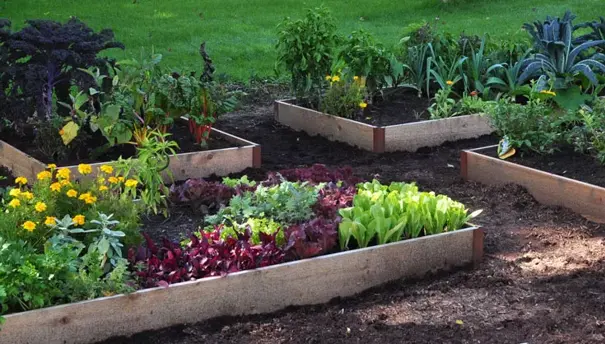
Raised beds are especially effective for onions, as they provide excellent drainage and make it easier to control soil quality.

Planting Onion Sets: Step-by-Step Instructions
Once your soil is ready, it’s time to plant. Here’s how to grow onions from bulbs with confidence:
- Timing: Plant onion sets as soon as the soil can be worked in early spring. In most climates, this is 2–4 weeks before the last expected frost.
- Spacing: Place bulbs 4–6 inches apart in rows spaced 12–18 inches apart. This gives each plant enough room to develop a full bulb.
- Depth: Push each bulb into the soil so the pointed tip is just below the surface (about 1 inch deep). Do not plant too deep, or the bulbs may not form properly.
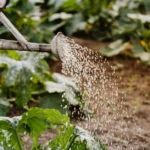
- Watering: Water thoroughly after planting to settle the soil around the bulbs.
Consistent moisture is important, especially during the early growth phase. Using a soil moisture meter can help you avoid both over- and under-watering.
Caring for Your Onion Crop
Proper care throughout the growing season ensures healthy, flavorful onions. Here are key maintenance tips:
- Watering: Keep the soil evenly moist but not soggy. Onions have shallow roots and can dry out quickly in hot weather.
- Weeding: Remove weeds regularly, as they compete with onions for nutrients and water.
- Fertilizing: Apply a balanced fertilizer or side-dress with compost every few weeks to support steady growth.
- Mulching: Add a layer of straw or shredded leaves to retain moisture and suppress weeds.
Monitor your onions for signs of pests or disease, such as yellowing leaves or stunted growth. Promptly remove any affected plants to prevent spread.

Harvesting and Storing Your Onions
Onions are ready to harvest when the tops begin to yellow and fall over naturally. Here’s how to finish the process:
- Loosen the soil: Gently lift the bulbs with a fork or trowel to avoid damaging them.
- Cure the onions: Lay them out in a dry, well-ventilated area for 2–3 weeks. This allows the skins to dry and toughen for storage.
- Trim and store: Once cured, cut off the tops and roots. Store onions in a cool, dry place with good air circulation. Mesh bags or baskets work well.
Properly cured onions can last for several months, providing a steady supply for your kitchen.
Tips for a Successful Onion Harvest
- Rotate crops: Avoid planting onions in the same spot year after year to reduce the risk of soil-borne diseases.
- Monitor moisture: Overwatering late in the season can cause bulbs to rot. Reduce watering as harvest approaches.
- Choose the right varieties: Experiment with different onion types to find what grows best in your region and suits your taste.
- Plan your garden: Onions pair well with carrots, lettuce, and beets. For more ideas, check out the best vegetables to grow at home for a productive garden.
Frequently Asked Questions
Can I plant onions from grocery store bulbs?
While it’s possible, grocery store onions are often treated to prevent sprouting and may not produce reliable results. For best success, use certified onion sets from a garden center.
How long does it take to grow onions from bulbs?
Onions grown from sets typically mature in 90 to 120 days, depending on the variety and growing conditions. Short-day types may be ready sooner in southern climates.
What should I do if my onions start to flower?
If your onion plants send up a flower stalk (called bolting), the bulbs will stop growing and may not store well. Harvest these onions right away and use them fresh.
Do onions need a lot of fertilizer?
Onions benefit from regular feeding, especially early in the season. Use a balanced fertilizer or compost, but avoid excessive nitrogen, which can cause lush tops at the expense of bulb development.
Conclusion
Learning how to grow onions from bulbs is a straightforward process that rewards you with fresh, flavorful produce. By selecting the right sets, preparing your soil, and following simple care guidelines, you’ll enjoy a reliable harvest season after season. For those interested in sustainable living, integrating onions into your garden is a practical step toward greater self-sufficiency. For more gardening inspiration and eco-friendly tips, explore resources like the modern homesteading eco friendly living guide.