Building a modern homesteading self sustainable backyard is a practical way to gain more control over your food, reduce your environmental impact, and create a healthier lifestyle for your family. With thoughtful planning, even a small outdoor space can become a productive hub for growing food, raising animals, and supporting a more independent way of living. Whether you’re new to the concept or looking to expand your current setup, this guide covers the essential steps and ideas to help you succeed.
Before diving into the details, it’s helpful to understand that self-sufficiency doesn’t require a rural farm or acres of land. Many people are transforming suburban and urban yards into thriving, productive spaces. By focusing on efficient design, smart crop choices, and sustainable practices, you can create a backyard that provides fresh produce, eggs, and more—all while supporting biodiversity and reducing waste.
For those interested in starting with specific crops, learning how to grow onions from bulbs is a great beginner project that fits well into a backyard homesteading plan. Onions are hardy, require minimal space, and can be used in countless recipes, making them a valuable addition to any garden.
Planning Your Space for Maximum Productivity
Designing a self-sufficient backyard starts with assessing your available space, sunlight, and soil quality. Take note of shady and sunny areas, existing trees, and water access. Sketching a simple map of your yard can help you visualize where to place garden beds, compost bins, and animal enclosures.
- Sunlight: Most vegetables and fruits need at least 6–8 hours of sunlight daily. Place your main garden beds in the sunniest spots.
- Water: Proximity to a water source is crucial. Consider installing rain barrels or drip irrigation to conserve water.
- Soil: Healthy soil is the foundation of a productive homestead. Test your soil and amend it with compost or organic matter as needed.
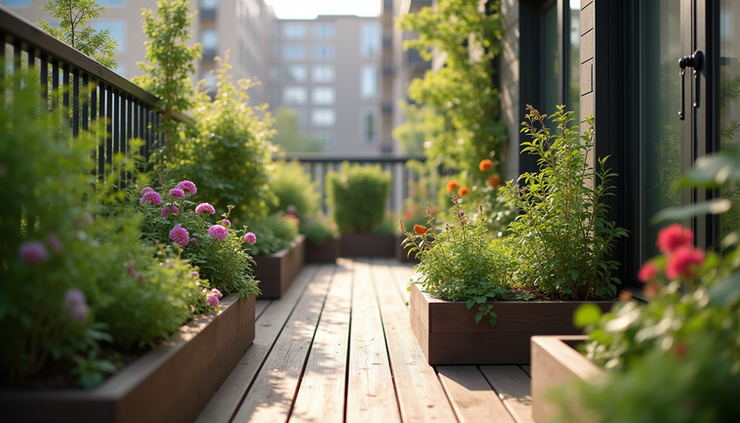
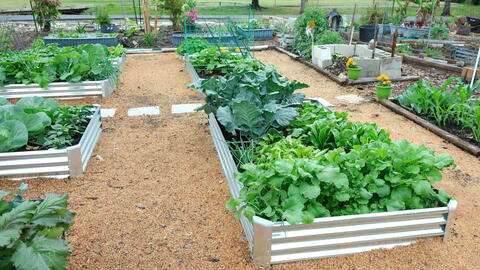
For those with limited space, vertical gardening, container planting, and raised beds can dramatically increase your yield. If you’re interested in maximizing small areas, check out tips on how to grow vegetables in small spaces for practical ideas.
Essential Elements of a Modern Homesteading Self Sustainable Backyard
Creating a truly resilient backyard involves more than just planting a few vegetables. Here are the core components to consider:
1. Productive Vegetable and Herb Gardens
Choose crops that suit your climate and family’s preferences. Focus on high-yield, easy-to-grow varieties. If you’re just starting out, explore the easy vegetables for beginners to grow to build confidence and ensure success.
- Use succession planting to extend your harvest season.
- Incorporate perennial herbs and vegetables for long-term productivity.
- Practice crop rotation to maintain soil health.
For more ideas, see the best vegetables to grow at home for a steady supply of fresh produce.
2. Composting and Soil Building
Composting kitchen scraps, yard waste, and animal bedding creates nutrient-rich soil and reduces landfill waste. A simple bin or pile tucked into a corner of your yard can supply all the organic matter your garden needs. Regularly adding compost improves soil structure, fertility, and water retention.
Before planting, it’s wise to learn how to prepare soil for planting vegetables to give your crops the best start.
3. Backyard Livestock for Food and Fertility
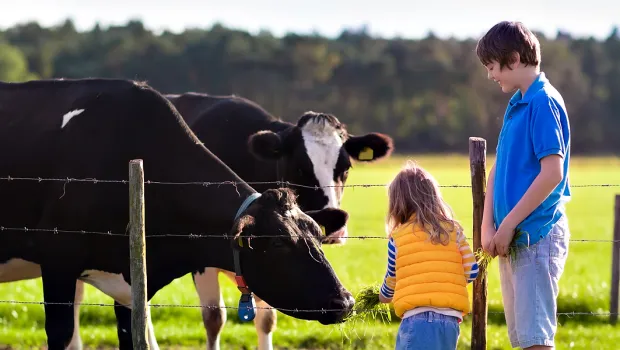
Raising small animals like chickens, ducks, or rabbits can provide eggs, meat, and natural fertilizer. Chickens are especially popular for beginners—they require minimal space and offer a steady supply of fresh eggs. Ensure you check local regulations and provide proper shelter, food, and care for any animals you introduce.
Water Conservation and Sustainable Practices
Water is a precious resource, especially for those striving for self-reliance. Incorporate rainwater harvesting systems, mulch your garden beds, and use efficient watering methods like drip irrigation. These strategies help conserve water and keep your plants healthy during dry spells.
Other sustainable practices include:
- Using natural pest control methods such as companion planting and beneficial insects.
- Planting native species to support pollinators and local wildlife.
- Reducing reliance on synthetic fertilizers and pesticides.
For a comprehensive overview on starting your journey, the modern homesteading guide from The Frenchie Farm offers additional insights and practical steps.
Seasonal Planning and Year-Round Harvests
To maximize your backyard’s output, plan for year-round production. This might include:
- Planting cool-season crops in early spring and fall.
- Using cold frames or row covers to extend the growing season.
- Preserving excess harvests through canning, freezing, or dehydrating.
Keeping a garden journal can help you track what works best in your microclimate and refine your approach each year.
Common Challenges and How to Overcome Them
Every homesteader faces obstacles, but most can be managed with a little creativity and persistence:
- Limited space: Use vertical gardening, containers, and interplanting to maximize productivity.
- Poor soil: Build raised beds and add organic matter regularly.
- Pests: Encourage beneficial insects, use row covers, and rotate crops to minimize problems.
- Time constraints: Start small and expand as you gain experience. Focus on low-maintenance crops and systems.
Frequently Asked Questions
What are the first steps to creating a self-sustaining backyard?
Begin by assessing your available space, sunlight, and water access. Start small with a few raised beds or containers, and gradually add elements like compost bins or chickens. Focus on crops and systems that fit your climate and lifestyle.
Can I practice modern homesteading in a suburban or urban yard?
Absolutely. Many people transform small yards or even balconies into productive spaces using vertical gardens, containers, and compact livestock like quail or rabbits. The key is efficient use of space and choosing the right crops and animals.
How do I maintain soil fertility without synthetic fertilizers?
Composting kitchen and yard waste, practicing crop rotation, and using cover crops are effective ways to build healthy soil naturally. Adding organic matter regularly will improve fertility and structure over time.
Conclusion
Creating a modern homesteading self sustainable backyard is a rewarding journey that offers fresh food, greater independence, and a closer connection to nature. By starting with careful planning, focusing on soil health, and adopting sustainable practices, anyone can transform their outdoor space into a productive oasis. Whether you’re growing vegetables, raising chickens, or simply composting kitchen scraps, every step brings you closer to a more resilient and fulfilling lifestyle.