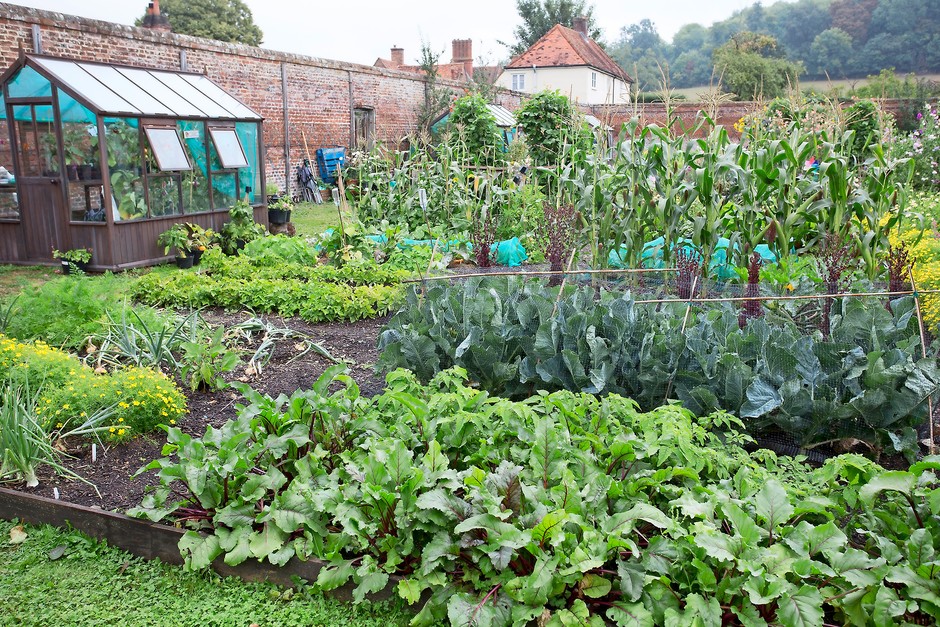
Starting a vegetable garden is one of the most rewarding ways to enjoy fresh, homegrown produce and connect with nature. If you’re new to gardening, choosing the right crops can make all the difference. Some vegetables are much simpler to cultivate than others, requiring minimal care and thriving even in less-than-perfect conditions. This guide highlights the top choices for anyone looking to get started with their first garden, focusing on easy vegetables for beginners to grow that deliver reliable results and great flavor.
Whether you have a spacious backyard or just a few containers on a balcony, these beginner-friendly vegetables will help you build confidence and enjoy a successful harvest. For those with limited space, you might also find value in exploring how to grow vegetables in small spaces for additional tips and creative solutions.
Why Choose Simple Crops for Your First Garden?
When you’re just starting out, it’s important to pick vegetables that are forgiving and don’t require specialized knowledge or equipment. The varieties listed here are known for their resilience, fast growth, and minimal maintenance. By focusing on easy vegetables for beginners to grow, you’ll enjoy early success and learn essential gardening skills along the way.
15 Beginner-Friendly Vegetables to Try
Below are the top picks for novice gardeners, each offering straightforward planting and care. These vegetables can be grown in raised beds, containers, or directly in the ground, making them accessible to nearly everyone.
-
Radishes
Radishes are among the fastest and simplest crops to grow. They mature in as little as three to four weeks and can be sown directly into the soil in early spring or fall. They thrive in cool weather and require little more than regular watering. -
Lettuce
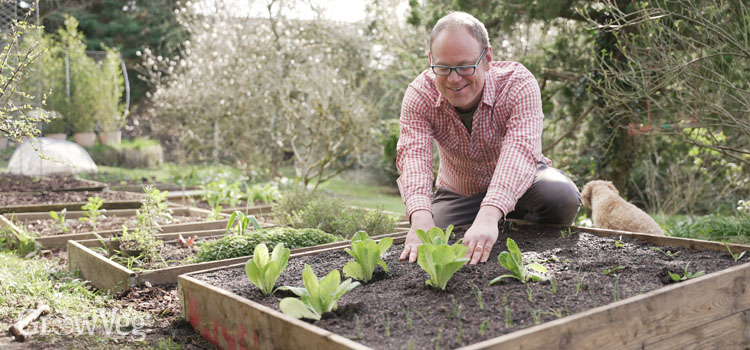
Leafy greens like lettuce are ideal for new gardeners. They grow quickly, can be harvested multiple times, and tolerate partial shade. Sow seeds directly in the ground or in containers for a steady supply of fresh leaves. -
Green Beans
Both bush and pole beans are reliable choices. They germinate easily, grow rapidly, and produce abundant pods. Beans prefer full sun and well-drained soil, and they fix nitrogen, improving soil health. -
Carrots
Carrots are easy to grow from seed and require loose, well-drained soil. They do well in raised beds and containers. Thin seedlings to avoid overcrowding and enjoy sweet, crunchy roots in about two months. -
Zucchini
Zucchini plants are prolific producers. With just a few plants, you’ll have more squash than you might expect. They need plenty of sun and space, but are otherwise low-maintenance. -
Spinach
Spinach is a cool-season green that grows quickly and can be harvested young for salads or mature for cooking. It’s tolerant of partial shade and can be sown early in spring or late summer. -
Peas
Peas, including snap and snow varieties, are perfect for early spring planting. They climb easily and require minimal care beyond regular watering and support for climbing types. -
Spring Onions
Also known as scallions, these are simple to grow from seed or sets. They mature quickly and can be harvested at various stages. For more detailed guidance, check out this step-by-step guide on how to grow onions from bulbs. -
Beets
Beets are forgiving and grow well in most soils. Both the roots and greens are edible. Sow seeds directly into the ground and keep the soil moist for best results. -
Cucumbers
Cucumbers grow quickly and can be trained to climb, saving space. They need warmth and consistent moisture, but are otherwise undemanding. -
Swiss Chard
This leafy green is both ornamental and edible. It tolerates heat and cold, and harvesting outer leaves encourages continuous growth. -
Turnips
Turnips mature rapidly and can be grown for both their roots and greens. They do well in cool weather and are not fussy about soil. -
Kale
Kale is hardy and productive, thriving in cool temperatures and even surviving light frosts. It’s a great choice for salads, smoothies, and cooking. -
Peppers
Bell and hot peppers are easy to start from nursery plants. They need warmth and sun, but once established, they require little maintenance. -
Tomatoes
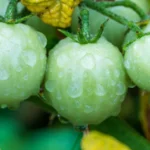
While tomatoes need staking or caging, they are otherwise straightforward to grow. Choose disease-resistant varieties for best results, and enjoy a summer-long harvest.
Tips for Success with Your First Vegetable Garden
To maximize your harvest and minimize frustration, keep these practical tips in mind:
- Start Small: Focus on a few varieties to avoid feeling overwhelmed. A small raised bed or several containers are perfect for beginners.
- Choose the Right Spot: Most vegetables need at least 6 hours of sunlight daily. Observe your yard or balcony to find the sunniest location.
- Use Quality Soil: Healthy soil is the foundation of a productive garden. Consider using raised beds or adding compost to improve fertility and drainage. If you’re unsure about your soil’s moisture, a meter can help you avoid over- or under-watering.
- Water Consistently: Most crops prefer even moisture. Water early in the day and aim for the base of the plants to prevent disease.
- Mulch: Adding a layer of mulch helps retain moisture, suppress weeds, and regulate soil temperature.
- Harvest Regularly: Picking vegetables when they’re young and tender encourages more production and better flavor.
For more advice on getting started, the beginner’s guide to starting a vegetable garden offers additional tips and insights.
Planning and Planting for the Seasons
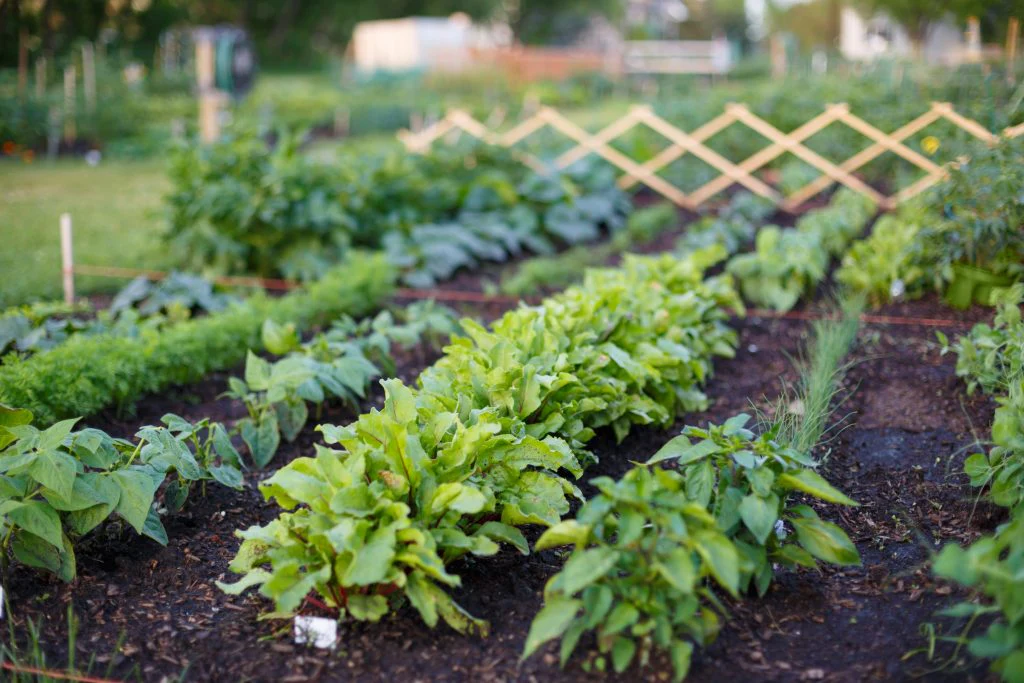
Understanding when to plant is just as important as what to plant. Cool-season crops like lettuce, spinach, and peas thrive in early spring and fall, while warm-season favorites such as tomatoes, peppers, and zucchini need higher temperatures to flourish. For detailed timing, refer to this resource on when to plant vegetables in spring to plan your garden calendar effectively.
Making the Most of Small Spaces
If you’re limited on space, don’t be discouraged. Many of these vegetables grow well in containers or vertical gardens. Compact varieties of tomatoes, peppers, and greens can thrive on patios or balconies. For more inspiration, the article on the best vegetables to grow at home offers additional ideas for maximizing your harvest in small areas.
Frequently Asked Questions
What are the easiest vegetables to grow for first-time gardeners?
Some of the simplest options include radishes, lettuce, green beans, and zucchini. These crops germinate quickly, require minimal care, and produce reliable yields, making them excellent choices for those just starting out.
How much space do I need to start a beginner vegetable garden?
You don’t need a large yard to grow your own food. Many vegetables can be grown in containers or small raised beds. Even a sunny balcony can support several pots of greens, herbs, and compact vegetables.
When should I plant my vegetables for the best results?
Timing depends on your climate and the types of vegetables you choose. Cool-season crops like spinach and peas should be planted in early spring or fall, while warm-season vegetables such as tomatoes and peppers are best started after the last frost. For more details, consult a guide on timing your vegetable garden.
Conclusion
Growing your own vegetables doesn’t have to be complicated. By selecting easy vegetables for beginners to grow, you’ll set yourself up for a productive and enjoyable gardening experience. Start with a few forgiving crops, pay attention to sunlight and soil, and soon you’ll be harvesting fresh produce right from your own space. As your confidence grows, you can expand your garden and try new varieties each season.