Growing your own potatoes is a rewarding way to enjoy fresh, flavorful produce right from your backyard or even a small patio. Whether you have a large garden or just a few containers, cultivating potatoes at home is surprisingly straightforward. With the right approach, you can achieve impressive harvests and enjoy a steady supply of this versatile staple.
This guide covers the essential steps for how to grow potatoes at home, from choosing the right varieties to harvesting your crop. Along the way, you’ll find practical advice for maximizing yields, troubleshooting common issues, and making the most of your growing space. For those interested in expanding their homegrown produce, you might also find value in learning how to grow onions from bulbs for a well-rounded vegetable garden.
Choosing the Best Potato Varieties for Home Gardens
Selecting the right type of potato is the first step toward a successful harvest. There are three main categories to consider:
- Early potatoes: These mature quickly and are ideal for gardeners who want a fast crop. They’re perfect for container growing or small spaces.
- Maincrop potatoes: These take longer to mature but produce larger yields and are great for storage.
- Specialty varieties: Fingerlings, colored potatoes, and other unique types can add variety and flavor to your harvest.
When choosing, consider your climate, available space, and culinary preferences. Many home gardeners start with disease-resistant varieties to minimize problems.
Preparing Soil and Containers for Potato Planting
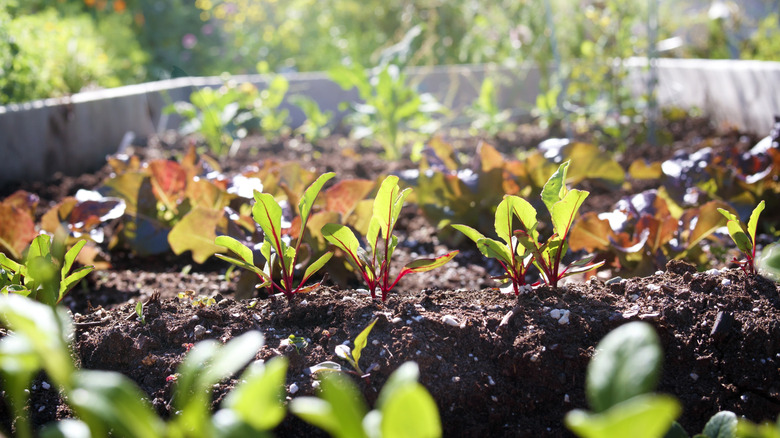
Potatoes thrive in loose, well-draining soil with plenty of organic matter. If you’re planting in the ground, work compost or well-rotted manure into the top 8-12 inches. For those using containers or raised beds, choose a high-quality potting mix and ensure adequate drainage.
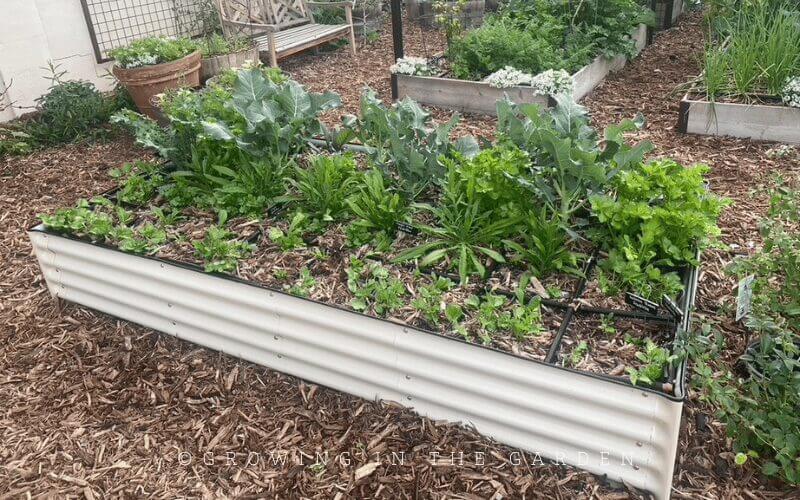
Raised beds and large containers are especially useful for urban gardeners or those with limited space. If you’re considering this approach, a raised planter bed can make the process even easier and more productive.
Planting Seed Potatoes for a Healthy Start
Start with certified seed potatoes to reduce the risk of disease. Cut larger seed potatoes into pieces, each with at least one “eye,” and let them dry for a day or two before planting. This helps prevent rot.
- Timing: Plant potatoes when the soil temperature reaches at least 45°F (7°C), typically 2-4 weeks before your last expected frost.
- Spacing: Place seed pieces 12 inches apart in rows, with rows spaced 24-36 inches apart. For containers, plant 3-4 pieces in a 15-gallon pot.
- Depth: Bury seed potatoes 4 inches deep, then cover with soil.
As shoots emerge, mound soil around the base of the plants (“hilling”) to encourage more tuber growth and protect developing potatoes from sunlight.
Watering and Feeding for Maximum Potato Yields
Consistent moisture is crucial for healthy potato plants. Aim to keep the soil evenly moist but not waterlogged. Using a soil moisture meter can help you monitor conditions and avoid over- or under-watering.
Feed your plants with a balanced fertilizer or compost tea every few weeks, especially during the early growth stages. Avoid high-nitrogen fertilizers, which can promote leafy growth at the expense of tuber development.
Managing Pests and Diseases in Potato Crops
Potatoes can be affected by pests like Colorado potato beetles, aphids, and wireworms, as well as diseases such as blight and scab. To minimize problems:
- Rotate crops each year to prevent disease buildup.
- Inspect plants regularly and remove pests by hand when possible.
- Use mulch to suppress weeds and maintain soil moisture.
- Choose disease-resistant varieties for easier management.
If you’re new to gardening, you may find additional tips in resources like easy crops for beginners and how to grow them, which offer guidance for building confidence and success in your vegetable patch.
Harvesting and Storing Your Potato Bounty
Potatoes are ready to harvest once the plants begin to flower and the foliage starts to yellow and die back. For new potatoes, you can gently dig around the base of the plant a few weeks after flowering. For maincrop varieties, wait until the tops have died down completely.
- Use a fork or your hands to carefully lift the tubers, avoiding cuts or bruises.
- Let potatoes cure in a cool, dry, dark place for 1-2 weeks to toughen their skins.
- Store cured potatoes in a well-ventilated, dark area at 40-50°F (4-10°C). Avoid refrigeration, which can alter flavor and texture.
Proper storage can keep your harvest fresh for several months, providing a steady supply of homegrown potatoes well into the winter.
Tips for Bigger Yields and Healthier Plants
- Hill soil regularly: This encourages more tubers to form and protects them from sunlight, which can cause greening.
- Water deeply: Shallow watering leads to shallow roots and smaller potatoes. Deep, infrequent watering is best.
- Monitor soil moisture: Use a moisture meter to ensure optimal growing conditions, especially during dry spells.
- Practice crop rotation: Avoid planting potatoes in the same spot each year to reduce disease risk.
- Choose the right time to plant: For more on timing, see when to plant vegetables in spring for your region.
Expanding Your Home Vegetable Garden
Once you’ve mastered potatoes, consider adding other easy-to-grow crops to your garden. Vegetables like onions, carrots, and leafy greens complement potatoes well and can be grown in similar conditions. For more inspiration, check out the best vegetables to grow at home for a productive and diverse harvest.
Gardening is a journey of learning and experimentation. By starting with reliable crops and building your skills, you’ll enjoy the satisfaction of fresh, homegrown food year after year.
Frequently Asked Questions
What is the best time of year to plant potatoes at home?
Potatoes should be planted in early spring, about 2-4 weeks before the last expected frost. The soil temperature should be at least 45°F (7°C) for optimal sprouting and growth.
Can I grow potatoes in containers or small spaces?
Absolutely. Potatoes grow well in large containers, grow bags, or raised beds. Just ensure the container is deep enough (at least 12-15 inches) and has good drainage. This method is perfect for patios, balconies, or small yards.
How do I know when my potatoes are ready to harvest?
New potatoes can be harvested a few weeks after the plants flower. For mature potatoes, wait until the foliage turns yellow and dies back. Carefully dig up the tubers to avoid damaging them, and let them cure before storage.
What are some common mistakes to avoid when growing potatoes?
Common pitfalls include overwatering, planting in poorly draining soil, not hilling soil around the plants, and using supermarket potatoes instead of certified seed potatoes. Paying attention to these details will help ensure a healthy, productive crop.
Conclusion
With a bit of planning and attention to detail, anyone can enjoy the process of cultivating potatoes at home. By choosing the right varieties, preparing your soil or containers, and following proven care techniques, you’ll be rewarded with a generous harvest. For those interested in sustainable living, integrating potatoes into your garden is a practical step toward greater self-sufficiency. For more eco-friendly tips, explore our modern homesteading eco friendly living guide and discover new ways to make your home and garden thrive.