Growing your own carrots is a rewarding experience, even if you don’t have a traditional garden bed. With the right approach, you can enjoy crisp, sweet carrots from a balcony, patio, or any small outdoor space. This guide covers how to grow carrots in containers step by step, from choosing the right pot to harvesting your homegrown crop. Whether you’re a beginner or looking to maximize your urban gardening efforts, you’ll find practical tips for a successful harvest.
Container gardening is an excellent solution for those with limited space. If you’re interested in expanding your skills, you might also enjoy learning how to grow vegetables in small spaces for even more ideas on urban gardening.
Why Choose Containers for Carrots?
Growing carrots in pots or planters offers several advantages. Containers allow you to control soil quality, reduce the risk of pests, and make gardening accessible in tight spaces. With the right setup, you can produce straight, healthy roots free from the stones and compacted soil that often plague in-ground crops. This method is ideal for renters, apartment dwellers, or anyone with poor native soil.
Selecting the Best Container for Carrots
The key to success with container-grown carrots is choosing a pot that’s deep enough for root development. Most carrot varieties need at least 12 inches (30 cm) of depth, though some short or round types can thrive in shallower pots. Look for containers made of food-safe materials with good drainage holes at the bottom.
- Depth: Aim for at least 12 inches for standard carrots; 8 inches is sufficient for mini or round varieties.
- Width: Wider pots allow you to plant more seeds and maximize your harvest.
- Material: Plastic, ceramic, or fabric grow bags all work well, as long as they drain freely.
Choosing the Right Carrot Varieties
Not all carrots are equally suited for container gardening. Shorter types, such as ‘Paris Market’, ‘Thumbelina’, or ‘Little Finger’, perform best in pots. These varieties mature quickly and don’t require deep soil. If you have a tall container, you can experiment with longer types like ‘Nantes’ or ‘Danvers’.
Check seed packets for recommended root length and days to maturity. Fast-maturing varieties are ideal for small spaces and allow for multiple sowings throughout the season.
Preparing Soil for Container Carrots
Carrots need loose, well-draining soil to develop straight, healthy roots. Avoid heavy clay or compacted mixes. A blend of high-quality potting mix and compost works well. You can also add a bit of sand or perlite to improve drainage and prevent clumping.
- Soil pH: Aim for a slightly acidic to neutral pH (6.0–7.0).
- Fertility: Carrots prefer soil that’s not too rich in nitrogen, which can cause forked roots. Use a balanced, slow-release fertilizer if needed.
- Texture: Remove any stones or debris that could block root growth.
For more details on preparing soil for vegetables, see how to prepare soil for planting vegetables.
Sowing Carrot Seeds in Pots
Direct sowing is the best method for carrots, as they don’t transplant well. Here’s how to get started:
- Fill your container with pre-moistened potting mix, leaving about an inch at the top.
- Scatter seeds thinly across the surface or plant in shallow rows about 1/4 inch deep.
- Lightly cover the seeds with a thin layer of soil or vermiculite.
- Gently water to settle the soil, being careful not to wash away the seeds.
Keep the soil consistently moist until seeds germinate, which usually takes 10–20 days. If you’re new to gardening, check out this beginner’s guide to starting a vegetable garden for more foundational tips.
Thinning and Spacing Seedlings
Once seedlings are a couple of inches tall, thin them to prevent overcrowding. Proper spacing ensures each carrot has room to grow straight and plump. Aim for 1–2 inches between plants, depending on the variety. Use scissors to snip extra seedlings at the soil line rather than pulling them, which can disturb nearby roots.
Watering and Feeding Container Carrots
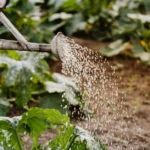
Consistent moisture is crucial for healthy carrot roots. Containers dry out faster than garden beds, so check soil regularly. Water deeply whenever the top inch feels dry. Using a soil moisture meter can help you avoid both over- and under-watering.
- Watering: Keep soil evenly moist, but not soggy. Irregular watering can cause roots to split.
- Feeding: If your potting mix is low in nutrients, feed with a balanced, low-nitrogen fertilizer every 4–6 weeks.
Sunlight and Temperature Needs
Carrots thrive in full sun, needing at least 6 hours of direct light daily. If you’re growing them on a balcony or patio, choose the sunniest spot available. In hot climates, a little afternoon shade can help prevent the soil from overheating.
Carrots are cool-season crops. They grow best when daytime temperatures are between 60–75°F (16–24°C). In warmer regions, plant in early spring or late summer for a fall harvest.
Managing Pests and Problems
Growing carrots in pots reduces the risk of many soil-borne pests, but you should still watch for issues like aphids, carrot rust fly, or fungal diseases. Use floating row covers to protect seedlings, and remove any affected leaves promptly. Avoid overwatering to prevent root rot.
Healthy, well-spaced plants in quality soil are less likely to suffer from problems. Rotate crops if you reuse containers, and always start with fresh potting mix each season.
Harvesting Carrots from Containers
Most carrots are ready to harvest 60–80 days after sowing, but this varies by variety. Check the seed packet for specifics. You’ll know it’s time when the tops of the roots begin to show above the soil and reach the expected diameter.
- Water the container a few hours before harvesting to soften the soil.
- Gently grasp the foliage near the base and pull straight up.
- If the soil is compacted, use a hand trowel to loosen around the roots.
Enjoy your carrots fresh, or store them in the refrigerator for several weeks. For more ideas on what to grow at home, see the best vegetables to grow at home for a productive garden.
Tips for Success with Container Carrots
- Choose quick-maturing or short-rooted varieties for best results in pots.
- Keep soil consistently moist, especially during germination and root development.
- Thin seedlings early to avoid crowding and misshapen roots.
- Fertilize lightly and avoid high-nitrogen products.
- Rotate crops and refresh soil each season for healthy plants.
If you’re just starting out, you may also want to explore easy vegetables for beginners to grow to build your confidence.
Frequently Asked Questions
Can I reuse soil from last year’s carrot container?
It’s best to use fresh potting mix each season for carrots. Old soil can harbor pests, diseases, or become compacted, which may affect root growth. If you must reuse soil, mix in fresh compost and check for any signs of disease.
How often should I water carrots in pots?
Water whenever the top inch of soil feels dry. During hot or windy weather, you may need to water daily. A soil moisture meter can help you maintain the right moisture level for healthy roots.
Why are my container carrots short or misshapen?
Short or forked carrots are often caused by compacted soil, stones, or overcrowding. Use a loose, stone-free potting mix and thin seedlings early. Choosing varieties bred for containers can also help produce straight, uniform roots.
What other vegetables grow well in containers?
Many crops thrive in pots, including radishes, lettuce, spinach, and herbs. For more inspiration, check out how to grow onions from bulbs for another easy container crop.
With the right container, soil, and care, you can enjoy fresh, homegrown carrots no matter where you live. Container gardening makes it possible to harvest delicious roots even in the smallest spaces. Happy growing!