Turning everyday kitchen scraps into nutrient-rich compost is one of the most effective ways to boost your garden’s health and sustainability. Learning how to compost kitchen waste for gardening not only reduces household waste but also creates a valuable resource for your plants. Whether you’re a beginner or looking to refine your composting process, this guide will walk you through each step, from collecting waste to using finished compost in your garden beds.
Home composting is simple, cost-effective, and environmentally friendly. By understanding the basics of what to compost, how to maintain your pile, and how to use the finished product, you’ll be able to transform peels, coffee grounds, and other leftovers into a powerful soil amendment. If you’re also interested in maximizing small gardening spaces, check out how to grow vegetables in small spaces for more tips.
Why Composting Kitchen Scraps Matters
Composting kitchen waste is a sustainable practice that benefits both your garden and the environment. Food scraps make up a significant portion of household waste, and when sent to landfills, they contribute to greenhouse gas emissions. By composting at home, you:
- Reduce landfill waste and lower your carbon footprint
- Create a free, organic fertilizer for your garden
- Improve soil structure, moisture retention, and nutrient content
- Encourage beneficial soil organisms
With a little planning and regular maintenance, anyone can start composting and enjoy the rewards in their garden beds or containers.
Choosing the Right Composting Method
There are several ways to turn kitchen waste into compost, and the best method depends on your space, time, and preferences. Here are the most common options:
- Outdoor Compost Pile or Bin: Ideal for those with a backyard. Compost bins help contain the pile and keep it tidy.
- Tumbler Composters: Enclosed bins that rotate, making it easy to mix materials and speed up decomposition.
- Vermicomposting: Uses worms to break down food scraps, perfect for small spaces or indoor use.
- Bokashi Bins: An anaerobic process using special bran, suitable for apartments or those wanting to compost meat and dairy.
For most home gardeners, a simple outdoor bin or pile is the easiest way to start. Place your compost system in a convenient, well-drained spot that gets some shade.
What Kitchen Waste Can Be Composted?
Knowing what to add to your compost is key to success. Kitchen scraps are typically divided into two categories: greens (nitrogen-rich) and browns (carbon-rich).
| Greens (Nitrogen) | Browns (Carbon) |
|---|---|
| Fruit and vegetable peels | Dry leaves |
| Coffee grounds and filters | Paper towels (unbleached) |
| Tea bags (no staples) | Shredded newspaper |
| Eggshells (crushed) | Cardboard (small pieces) |
| Fresh grass clippings | Sawdust (untreated wood) |
Avoid composting: meat, dairy, oils, cooked foods, diseased plants, and pet waste, as these can attract pests or create odors.
Step-by-Step Guide: Composting Kitchen Waste for Gardening
1. Collecting and Storing Kitchen Scraps
Keep a small container or compost pail with a lid in your kitchen. Add fruit and vegetable scraps, coffee grounds, eggshells, and other acceptable items as you cook. Empty the container into your outdoor compost bin or pile every few days to prevent odors and fruit flies.
2. Building the Compost Pile
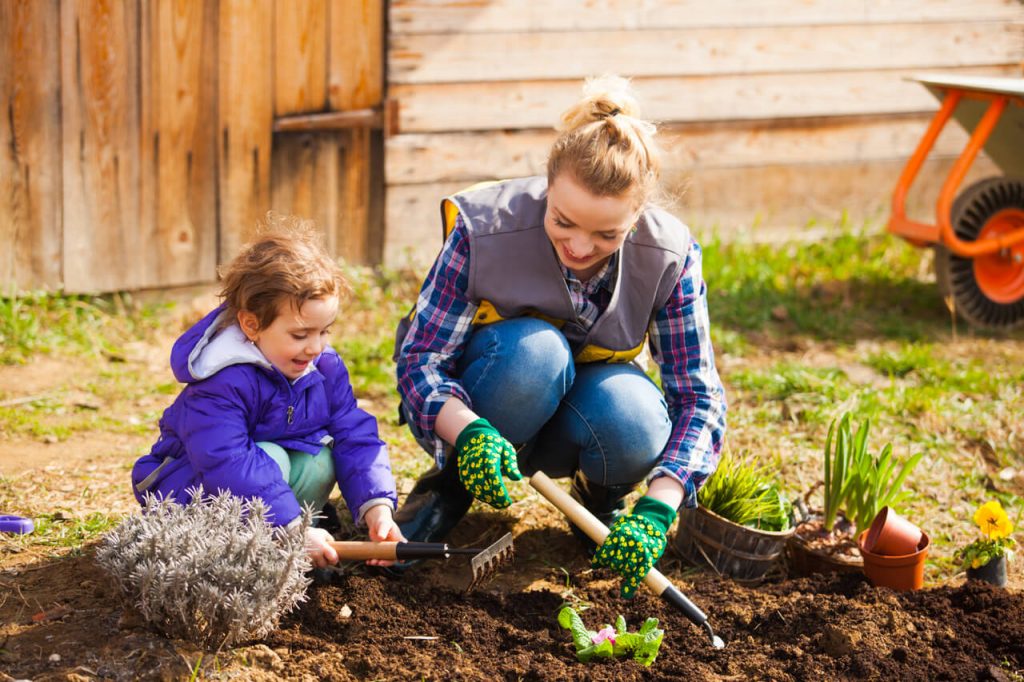
Start your pile or bin with a layer of coarse materials like small branches or straw to promote airflow. Alternate layers of kitchen waste (greens) and dry materials (browns). Aim for a ratio of about 2–3 parts browns to 1 part greens. This balance helps the pile break down efficiently and prevents unpleasant smells.
- Add kitchen scraps and cover with browns each time to deter pests.
- Chop or shred large pieces to speed up decomposition.
- Keep the pile moist, like a wrung-out sponge, but not soggy.
3. Maintaining and Turning Your Compost
To ensure your compost breaks down quickly, turn or mix the pile every 1–2 weeks. This aerates the materials and distributes moisture and microbes. If the pile seems dry, add a little water. If it’s too wet or smelly, add more browns and turn it more often.
Compost piles typically take 2–6 months to mature, depending on conditions. Finished compost is dark, crumbly, and earthy-smelling, with no recognizable food scraps.
Using Finished Compost in Your Garden
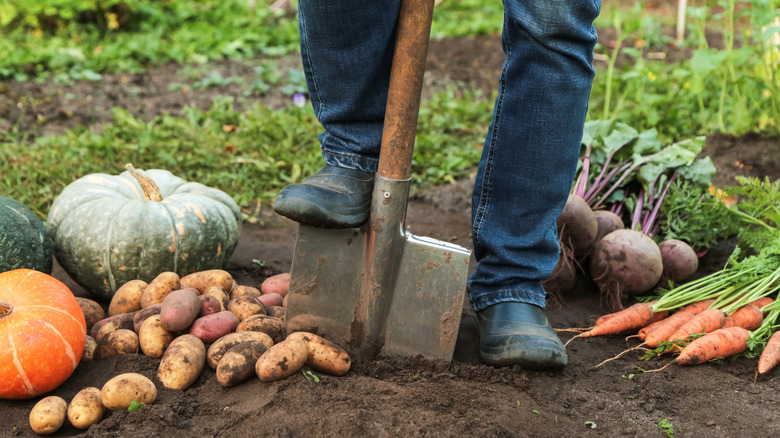
Once your compost is ready, it’s time to put it to use. Spread a 1–2 inch layer over your garden beds, mix it into the topsoil, or use it as mulch around plants. Compost improves soil fertility, structure, and water retention, giving your vegetables and flowers a healthy boost.
If you’re planning to start a new garden bed, you can combine compost with tips from how to prepare soil for planting vegetables to create the best foundation for your crops.
For more inspiration on what to grow, see the best vegetables to grow at home and discover easy vegetables for beginners to grow.
Troubleshooting Common Composting Problems
- Bad Odor: Usually caused by too many greens or excess moisture. Add more browns and turn the pile.
- Pile Not Decomposing: May be too dry, cold, or lacking nitrogen. Add water, more greens, and turn regularly.
- Pests: Avoid adding meat or dairy, and always cover food scraps with browns.
With regular attention, most issues can be resolved quickly, keeping your compost healthy and productive.
Additional Tips for Successful Composting
- Chop or shred kitchen scraps for faster breakdown.
- Keep a balance of greens and browns for optimal decomposition.
- Monitor moisture and temperature, especially in hot or wet weather.
- Use a soil moisture meter to check your garden’s needs after adding compost.
- Rotate your compost pile or use a tumbler for easier mixing.
For more detailed vegetable gardening advice, you can explore this comprehensive vegetable gardening resource.
Frequently Asked Questions
What kitchen scraps should not be composted?
Avoid adding meat, dairy, oily foods, cooked leftovers, and pet waste to your compost. These items can attract pests and slow down the composting process.
How long does it take for kitchen waste to turn into compost?
Depending on your method and how often you turn the pile, compost can be ready in as little as 2 months or as long as 6 months. Warmer temperatures and regular turning speed up decomposition.
Can compost be used for all types of plants?
Finished compost is safe and beneficial for most garden plants, including vegetables, herbs, flowers, and shrubs. Avoid using unfinished compost directly on seedlings, as it may still contain decomposing materials.
How do I know when my compost is ready?
Compost is finished when it is dark, crumbly, and earthy-smelling, with no visible food scraps or recognizable materials.
Conclusion
Learning how to compost kitchen waste for gardening is a practical way to reduce waste and enrich your garden’s soil. By following these steps and maintaining a healthy compost pile, you’ll create a valuable resource that supports strong, productive plants. Whether you’re working with a large backyard or a small urban space, composting is a rewarding habit that benefits both your garden and the planet.