Keeping your vegetable patch thriving depends on providing the right amount of water at the right time. Many gardeners wonder how often to water a vegetable garden to ensure strong growth and a bountiful harvest. The answer isn’t always straightforward, as it depends on factors like soil type, plant variety, weather, and garden setup. Understanding these variables helps you create a consistent watering routine that supports healthy, productive plants.
Whether you’re new to gardening or looking to fine-tune your watering schedule, this guide covers the essentials for keeping your vegetables hydrated without overdoing it. If you’re also interested in maximizing space, check out how to grow vegetables in small spaces for more tips on efficient gardening.
Key Factors That Influence Watering Frequency
The frequency with which you need to water your vegetable patch depends on several important factors. Understanding these will help you develop a watering routine tailored to your garden’s unique needs.
- Soil Type: Sandy soils drain quickly and may require more frequent watering, while clay soils retain moisture longer.
- Plant Maturity: Young seedlings need consistent moisture, but mature plants can often tolerate brief dry spells.
- Weather Conditions: Hot, windy, or dry weather increases evaporation and plant water needs. Rainy periods may reduce or eliminate the need for supplemental watering.
- Mulch Use: Mulching helps retain soil moisture, reducing how often you’ll need to water.
- Garden Layout: Raised beds and containers dry out faster than in-ground plots and may need more frequent attention.
By observing these factors, you can adjust your approach and avoid common watering mistakes that can stress your plants.
General Guidelines for Watering Vegetable Gardens
While there’s no one-size-fits-all answer, most vegetable gardens benefit from about 1 to 1.5 inches of water per week, including rainfall. Here are some general rules to guide you:
- Deep, Infrequent Watering: It’s better to water thoroughly once or twice a week than to give shallow, daily sprinkles. Deep watering encourages roots to grow deeper, making plants more resilient.
- Morning Is Best: Watering early in the day reduces evaporation and gives plants time to dry before nightfall, which helps prevent disease.
- Check Soil Moisture: Before watering, stick your finger about two inches into the soil. If it feels dry, it’s time to water. If it’s still moist, wait another day.
For more detailed advice on preparing your soil for optimal moisture retention, see how to prepare soil for planting vegetables.
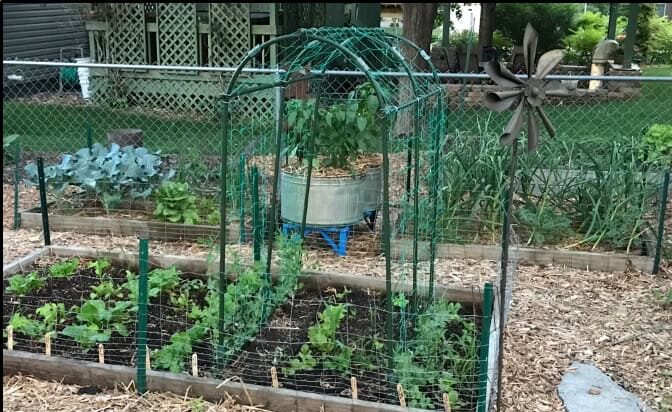
How to Adjust Watering Based on Garden Type
Different garden setups have unique watering needs. Here’s how to adapt your routine for various growing environments:
In-Ground Beds
Traditional garden beds tend to hold moisture longer, especially if you’ve improved the soil with compost or organic matter. Water deeply once or twice a week, adjusting for rainfall and temperature.
Raised Beds
Because they drain faster, raised beds often need more frequent watering—typically every 2–3 days during hot weather. Using mulch helps slow evaporation and keeps roots cool.
Containers and Pots
Vegetables grown in pots may require daily watering during peak summer heat. Check soil moisture often, as containers dry out quickly. Consider self-watering pots or drip irrigation for convenience.
For more on choosing the right crops for your space, visit best vegetables to grow at home.
Signs Your Vegetables Need Water
Learning to recognize when your plants are thirsty is just as important as following a schedule. Watch for these signs:
- Wilting leaves, especially in the morning
- Soil that feels dry several inches below the surface
- Slow growth or yellowing foliage
- Fruit or flowers dropping prematurely
However, don’t confuse midday wilting (which can be a natural response to heat) with chronic dryness. Always check the soil before adding more water.
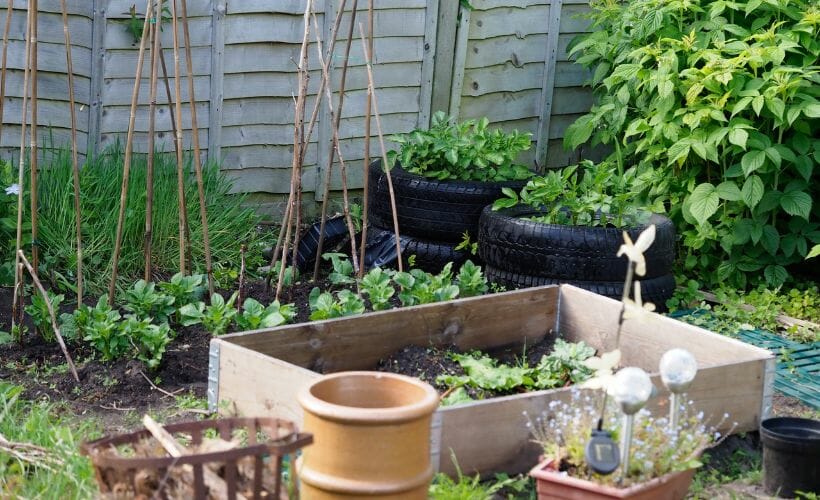
Tips for Efficient Watering
Making the most of every drop helps conserve water and keeps your garden healthy. Here are some practical tips:
- Use Mulch: A 2–3 inch layer of straw, leaves, or wood chips helps retain moisture and suppress weeds.
- Water at the Base: Direct water at the soil, not the leaves, to reduce disease risk and ensure roots get the moisture.
- Install Drip Irrigation: Drip systems deliver water slowly and directly to the root zone, minimizing waste.
- Group Plants by Water Needs: Place thirsty crops (like lettuce and cucumbers) together, and drought-tolerant ones (like beans) in another area.
For those just starting out, these beginner vegetable garden tips offer more insights on setting up a low-maintenance, productive plot.
Common Watering Mistakes to Avoid
Even experienced gardeners can slip into habits that harm their crops. Here are some pitfalls to watch out for:
- Overwatering: Too much water can suffocate roots and lead to rot or fungal diseases.
- Underwatering: Inconsistent moisture causes stress, poor yields, and bitter-tasting vegetables.
- Watering at Night: Wet foliage overnight encourages disease. Stick to early morning whenever possible.
- Ignoring Soil Type: Not all soils hold water the same way. Adjust your schedule based on how quickly your soil dries out.
Using a soil moisture meter can help take the guesswork out of watering and prevent these common errors.
Frequently Asked Questions
How do I know if I’m watering my vegetable garden enough?
Check soil moisture by inserting your finger or a moisture meter about two inches deep. If the soil feels dry at that depth, it’s time to water. Also, observe your plants for signs of wilting, slow growth, or yellowing leaves.
Is it better to water vegetable gardens in the morning or evening?
Morning is generally best, as it allows foliage to dry during the day, reducing the risk of disease. Evening watering can leave plants damp overnight, which may encourage fungal problems.
How often should I water raised beds compared to in-ground gardens?
Raised beds tend to dry out faster and may need watering every 2–3 days during hot weather, while in-ground gardens often require less frequent watering. Always check soil moisture before watering to avoid overdoing it.
Conclusion
Finding the right balance for how often to water a vegetable garden is key to growing healthy, productive plants. By considering your soil, weather, and garden setup, you can create a routine that keeps your vegetables thriving. Remember to water deeply, monitor soil moisture, and adjust as conditions change. For more inspiration and easy crop ideas, explore easy vegetables for beginners to grow and enjoy a flourishing harvest all season long.