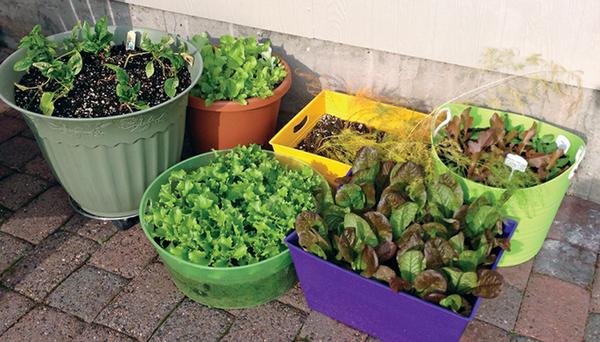
Starting a vegetable garden is an exciting journey, but maintaining healthy soil and productive crops can be challenging for newcomers. One of the most effective strategies for long-term garden success is developing a crop rotation plan for beginners. This approach helps prevent soil depletion, reduces pest and disease problems, and boosts yields season after season.
Understanding how to rotate crops doesn’t have to be complicated. With a few basic principles and a simple visual guide, even first-time gardeners can create a rotation schedule that keeps their garden thriving. If you’re also interested in maximizing your harvest in small spaces, you might find these beginner gardening tips for small yards helpful as you plan your layout.
Why Crop Rotation Matters for New Gardeners
Rotating crops is a time-tested method that helps maintain soil health and minimize recurring pest and disease issues. When the same plant family is grown in the same spot year after year, soil nutrients become imbalanced and pests that target those plants can build up. By changing what you grow in each bed or row every season, you:
- Reduce pest and disease cycles by disrupting the life cycles of soil-borne organisms.
- Balance soil nutrients since different crops have varying nutrient needs and contributions.
- Improve yields by keeping plants healthier and soil more fertile.
For those just starting out, a basic rotation plan can make a noticeable difference in your garden’s productivity and sustainability.
Understanding Plant Families in Crop Rotation
Grouping vegetables by their botanical families is the foundation of any effective rotation plan. Plants in the same family often share similar nutrient needs and are susceptible to the same pests and diseases. Here are the main families to consider:
| Plant Family | Common Examples | Key Notes |
|---|---|---|
| Nightshades (Solanaceae) | Tomato, Potato, Eggplant, Pepper | Heavy feeders, prone to blight |
| Legumes (Fabaceae) | Beans, Peas | Fix nitrogen, improve soil |
| Brassicas (Brassicaceae) | Cabbage, Broccoli, Kale, Cauliflower | Attract cabbage worms, heavy feeders |
| Alliums (Amaryllidaceae) | Onion, Garlic, Leek | Help deter some pests |
| Root Crops | Carrot, Beet, Radish, Turnip | Light feeders, loosen soil |
| Cucurbits (Cucurbitaceae) | Cucumber, Squash, Melon, Pumpkin | Susceptible to powdery mildew |
| Leafy Greens | Lettuce, Spinach, Swiss Chard | Quick growers, shallow roots |
By rotating these groups, you can help keep your soil balanced and your plants healthy. For more details on growing specific greens, check out this guide on how to grow leafy greens at home.
Simple Four-Bed Rotation Plan for Beginners
One of the easiest ways to start is with a four-bed system. Even if you have a small garden or use containers, you can adapt this method. Here’s a basic rotation schedule:
- Bed 1: Legumes (beans, peas) – add nitrogen to the soil.
- Bed 2: Leafy greens and brassicas (lettuce, kale, cabbage) – benefit from nitrogen left by legumes.
- Bed 3: Fruit crops (tomatoes, peppers, cucumbers, squash) – heavy feeders, use up nutrients.
- Bed 4: Root crops and alliums (carrots, onions, garlic) – lighter feeders, loosen and aerate soil.
Each year, move each group to the next bed in sequence. Over four years, every bed will host each crop family once, reducing the risk of soil-borne problems and nutrient depletion.
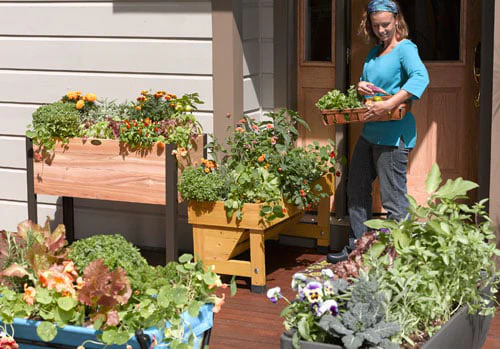
Visual Example: How to Rotate Crops Year After Year
To make rotation easier, sketch a simple map of your garden beds or containers. Assign each bed a number and note which crop family you’ll plant there this season. Next year, shift each group to the next bed. Repeat this process annually.
Here’s a sample rotation for four years:
| Year | Bed 1 | Bed 2 | Bed 3 | Bed 4 |
|---|---|---|---|---|
| 1 | Legumes | Leafy/Brassicas | Fruiting | Roots/Alliums |
| 2 | Leafy/Brassicas | Fruiting | Roots/Alliums | Legumes |
| 3 | Fruiting | Roots/Alliums | Legumes | Leafy/Brassicas |
| 4 | Roots/Alliums | Legumes | Leafy/Brassicas | Fruiting |
This simple system works for raised beds, in-ground plots, or even large containers. If you’re interested in building your own raised beds, see this step-by-step guide on how to build a raised garden bed.
Tips for Adapting Rotation Plans to Small Spaces
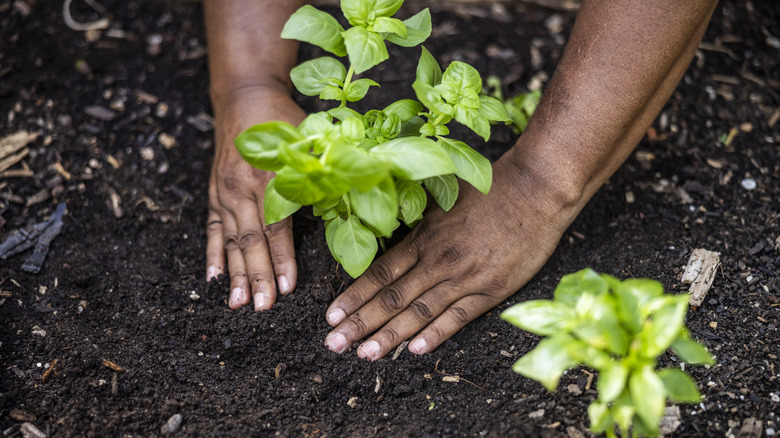
Even if you don’t have four separate beds, you can still use rotation principles. For container gardens or small plots, rotate crops within each container or divide your space into sections. Try not to plant the same family in the same spot two years in a row. Combining rotation with other sustainable practices, like natural pest control for vegetable plants, will further improve your results.
Some additional tips:
- Keep a simple garden journal or map to track what you plant each year.
- Group containers by plant family and rotate their contents each season.
- Use companion planting to maximize space and support plant health.
- Amend soil with compost between rotations to replenish nutrients.
For more advice on maximizing yields in limited areas, explore resources like this comprehensive vegetable gardening guide.
Common Mistakes to Avoid When Planning Your Rotation
While the basics are straightforward, there are a few common pitfalls to watch out for:
- Forgetting plant families: Don’t just rotate individual crops—rotate by family to break pest and disease cycles.
- Ignoring perennials: Crops like asparagus and rhubarb stay in place for years, so plan your rotation around them.
- Not amending soil: Even with rotation, replenish soil with compost or organic fertilizer annually.
- Overcomplicating the plan: Keep it simple—track just the main families and move them each year.
By avoiding these mistakes, your crop rotation plan for beginners will be much more effective and easier to manage.
FAQ: Crop Rotation Basics for New Gardeners
How often should I rotate my crops?
Ideally, rotate major plant families every year. A four-year cycle is common, but even a two- or three-year rotation is beneficial if space is limited.
Can I use crop rotation in containers or small raised beds?
Yes! Even in small spaces, avoid planting the same family in the same spot two years in a row. Rotate crops between containers or sections of your bed for best results.
What if I only grow a few types of vegetables?
Group your crops by family and rotate them as best as possible. If you mostly grow tomatoes and peppers, try to alternate with legumes or leafy greens to give the soil a break.
Do I need to rotate herbs and flowers too?
Most herbs and flowers don’t require strict rotation, but moving them occasionally can help prevent soil fatigue and pest buildup, especially for annuals.
Start Planning Your Garden Rotation Today
Developing a crop rotation plan for beginners is one of the smartest steps you can take for a healthy, productive garden. By grouping crops by family, rotating them each year, and keeping records, you’ll set yourself up for long-term success. Combine these strategies with proactive pest prevention—see tips on how to prevent pests in vegetable garden—and you’ll enjoy better harvests with less effort.
With a little planning and the right resources, anyone can master the basics of crop rotation and enjoy a thriving vegetable garden year after year.