Fresh, crisp greens are a staple in many kitchens, and cultivating your own supply is both rewarding and practical. Whether you have a spacious backyard or a small balcony, learning how to grow leafy greens at home allows you to enjoy a steady harvest of nutritious vegetables. This guide covers everything you need to know, from selecting seeds to harvesting your first salad bowl.
Before diving into the details, it’s helpful to understand the basics of soil preparation, light requirements, and pest prevention. For those just starting out, resources like raised bed gardening for beginners offer valuable insights on setting up a productive growing space. With the right approach, even novice gardeners can achieve impressive results.

Choosing the Best Leafy Greens for Your Space
There are many varieties of greens that thrive in home gardens. Some of the most popular options include:
- Lettuce (romaine, butterhead, leaf types)
- Spinach
- Kale
- Swiss chard
- Arugula
- Mustard greens
When selecting which types to plant, consider your local climate, available sunlight, and taste preferences. Many greens are cool-season crops, making them ideal for spring and fall planting. Fast-growing varieties like arugula and baby spinach can be harvested in as little as 30 days, while others, such as kale, provide ongoing harvests throughout the season.
If you’re working with limited space or want to maximize yields, opt for compact or cut-and-come-again varieties. These can be grown densely and harvested multiple times, making them perfect for container gardens or raised beds.
Preparing Soil and Containers for Healthy Growth
Proper soil preparation is crucial for robust, flavorful greens. Leafy vegetables prefer loose, well-draining soil rich in organic matter. If you’re growing in the ground, amend your soil with compost or well-rotted manure to boost fertility. For containers or raised beds, use a high-quality potting mix blended with compost.
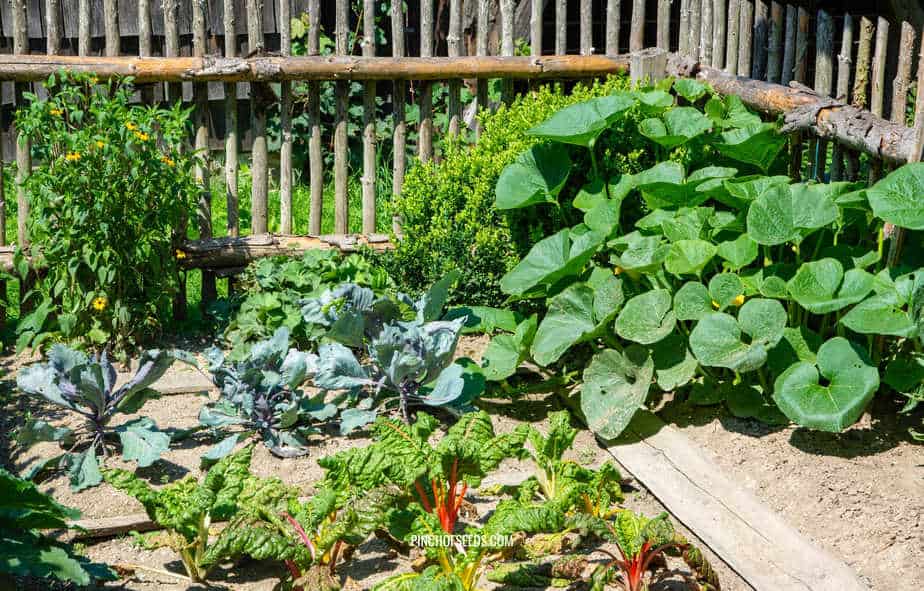
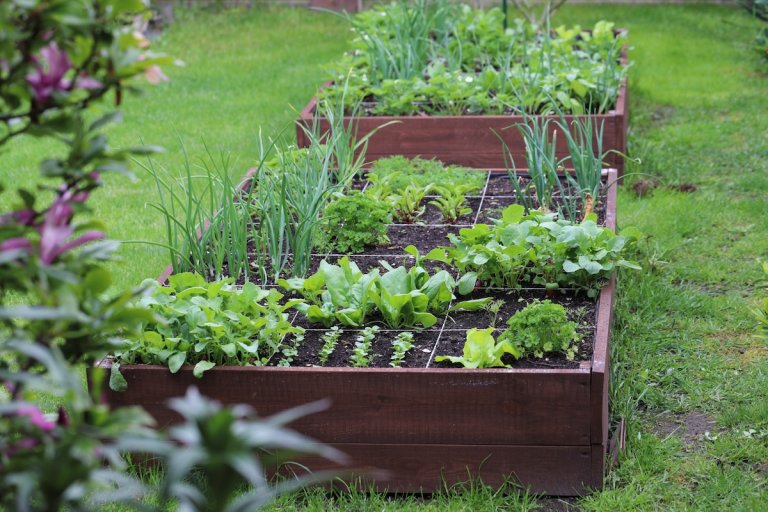
Maintaining consistent moisture is essential, as greens have shallow roots and can quickly wilt if the soil dries out. A soil moisture meter can help you monitor conditions and avoid both over- and under-watering. Raised beds are an excellent choice for homegrown greens, offering improved drainage and easier weed control. For a step-by-step setup, check out guides like starting a veggie garden from scratch.
Starting Seeds and Transplanting Seedlings
One of the most satisfying aspects of growing greens at home is starting from seed. Most leafy vegetables are easy to direct sow, meaning you can plant seeds straight into the soil or container. Follow these steps for best results:
- Read the seed packet for recommended planting depth and spacing.
- Sow seeds in rows or broadcast them evenly over the surface, then cover lightly with soil.
- Water gently to settle the soil and keep it consistently moist until seeds germinate.
- Thin seedlings as they grow to prevent overcrowding and promote healthy development.
If you prefer, you can start seeds indoors a few weeks before the last frost and transplant seedlings outside once the weather warms. This approach gives you a head start on the season and helps avoid early pest pressure.
For those interested in beginner gardening tips for small yards, container growing is a flexible option. Use pots at least 6-8 inches deep, and ensure they have drainage holes to prevent waterlogging.
Light, Water, and Temperature Needs
Leafy greens thrive in cool temperatures and partial to full sun. Most varieties require at least 4-6 hours of sunlight daily, though some, like spinach and lettuce, tolerate light shade. In hot climates, providing afternoon shade or using shade cloth can help prevent bolting (premature flowering and seed production).
Consistent watering is key. Aim to keep the soil evenly moist but not soggy. Mulching around plants helps retain moisture and suppress weeds. If you’re unsure about soil moisture, a meter can take the guesswork out of watering.
Temperature also plays a role in flavor and growth. Greens grown in cooler weather tend to be sweeter and less bitter. If temperatures rise above 75°F (24°C), consider succession planting or switching to heat-tolerant varieties.
Fertilizing and Maintaining Leafy Vegetables
Greens are relatively light feeders but benefit from regular nutrition. Incorporate compost or a balanced organic fertilizer into the soil before planting. During the growing season, side-dress with additional compost or use a diluted liquid fertilizer every few weeks to encourage lush growth.
Keep an eye out for common pests such as aphids, slugs, and flea beetles. Hand-picking, row covers, and natural solutions can help manage these issues. For more detailed strategies, explore natural pest control for vegetable plants and how to prevent pests in vegetable garden for safe, effective options.
Regularly remove weeds and damaged leaves to maintain plant health. Mulching with straw or shredded leaves can further suppress weeds and keep roots cool.
Harvesting and Enjoying Your Homegrown Greens
Most leafy vegetables can be harvested as soon as they reach a usable size. For baby greens, snip leaves when they’re 3-4 inches tall. For head-forming types like romaine, wait until heads are firm and full-sized. Always use clean scissors or garden shears to avoid damaging plants.
Harvest in the morning for the crispest, most flavorful leaves. Many greens will regrow after cutting, allowing for multiple harvests from a single planting. Rinse leaves thoroughly and store them in the refrigerator to maintain freshness.
For those interested in sustainable gardening, consider learning about how to grow vegetables organically to keep your greens chemical-free and healthy.
Frequently Asked Questions
What are the easiest leafy greens to grow for beginners?
Lettuce, spinach, and arugula are among the simplest greens to cultivate at home. They germinate quickly, require minimal care, and can be grown in containers, raised beds, or directly in the ground.
How often should I water my leafy greens?
Keep the soil consistently moist but not waterlogged. In most climates, watering every 2-3 days is sufficient, but frequency may increase during hot or windy weather. Using a soil moisture meter can help you determine when to water.
How do I prevent pests from damaging my greens?
Regularly inspect plants for signs of pests and remove any affected leaves. Use row covers, encourage beneficial insects, and apply natural remedies as needed. For more tips, see resources on natural pest control for vegetable plants.
Can I grow leafy greens indoors?
Yes, many greens can be grown indoors on a sunny windowsill or under grow lights. Choose compact varieties and ensure they receive at least 4-6 hours of light daily for best results.
Conclusion
With the right preparation and care, anyone can succeed at cultivating a steady supply of fresh greens at home. From choosing the right varieties to harvesting crisp leaves for your next meal, the process is straightforward and highly rewarding. By following these practical steps and making use of helpful tools and resources, you’ll enjoy flavorful, nutritious salads straight from your own garden.