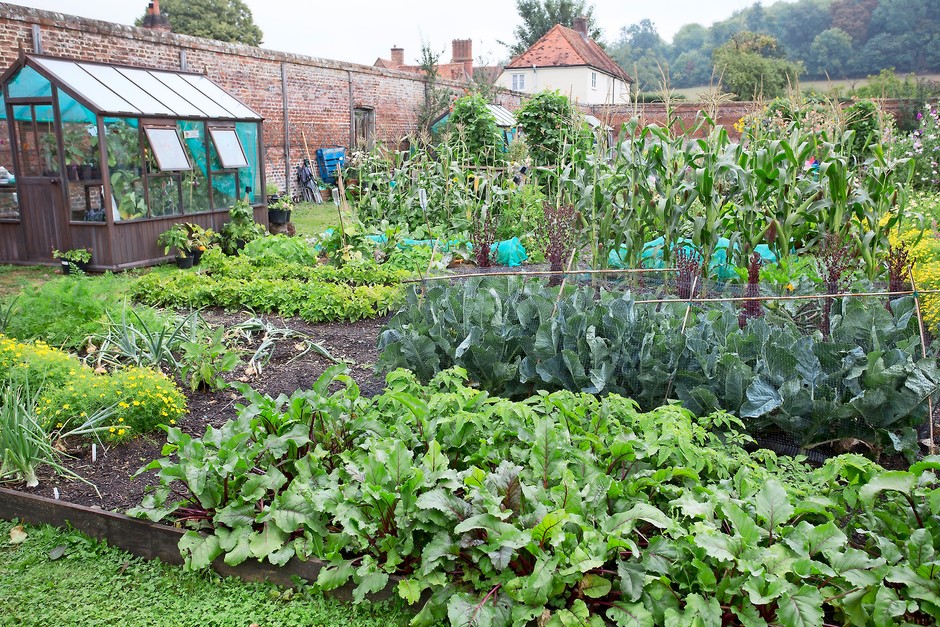
Maintaining healthy soil is essential for a productive vegetable garden. One of the most effective ways to achieve this is by practicing crop rotation. By changing the location of different plant families each year, gardeners can prevent soil depletion, reduce pest and disease buildup, and promote balanced nutrient levels. This guide covers the basics of how to rotate crops in a garden, practical rotation plans, and tips for getting started, whether you grow in raised beds or traditional plots.
If you’re new to gardening or want to learn more about building the right foundation, you might find this resource on how to build a raised garden bed helpful for planning your layout and maximizing space.
Why Crop Rotation Matters for Soil Health
Rotating crops is a time-tested gardening technique that offers several benefits:
- Prevents nutrient depletion: Different plants draw varying nutrients from the soil. Rotating crops helps balance nutrient use and allows soil to recover.
- Reduces pest and disease cycles: Many pests and diseases are specific to certain plant families. Changing crop locations interrupts their life cycles and minimizes infestations.
- Improves soil structure: Deep-rooted and shallow-rooted plants alternate, preventing compaction and encouraging aeration.
- Supports organic gardening: Crop rotation is a cornerstone of growing vegetables organically and reducing reliance on chemical fertilizers or pesticides.
Understanding Plant Families for Effective Rotation
To rotate crops successfully, it’s important to group plants by family. Members of the same family often share similar nutrient needs and are susceptible to the same pests and diseases. Here are the main families commonly grown in home gardens:
| Plant Family | Examples |
|---|---|
| Solanaceae | Tomato, potato, pepper, eggplant |
| Brassicaceae | Cabbage, broccoli, kale, cauliflower |
| Fabaceae | Beans, peas |
| Alliaceae | Onion, garlic, leek |
| Cucurbitaceae | Cucumber, squash, melon, pumpkin |
| Apiaceae | Carrot, parsnip, celery |
| Asteraceae | Lettuce, endive |
| Amaranthaceae | Spinach, beet, chard |
By rotating these groups, you can break cycles of pests and diseases and keep your soil productive year after year.
Simple Crop Rotation Plans for Home Gardens
There are several ways to organize a rotation, but most home gardeners find a three- or four-year cycle manageable. Here’s how to rotate crops in a garden using a four-bed system:
- Divide your garden into four sections or beds. Each year, move each plant family to the next bed in sequence.
- Group crops as follows for a balanced rotation:
- Bed 1: Legumes (beans, peas) – add nitrogen to soil
- Bed 2: Leafy greens and brassicas (lettuce, cabbage, broccoli)
- Bed 3: Fruit crops (tomatoes, peppers, squash, cucumbers)
- Bed 4: Root crops (carrots, beets, onions, garlic)
- Each year, shift the crops to the next bed. After four years, each bed will have hosted each group once.
This approach helps balance soil nutrients and minimizes pest buildup. If you have fewer beds, you can still rotate by grouping families and avoiding planting the same group in the same spot two years in a row.
Tips for Planning and Tracking Your Crop Rotations
Staying organized is key to successful crop rotation. Here are some practical tips:
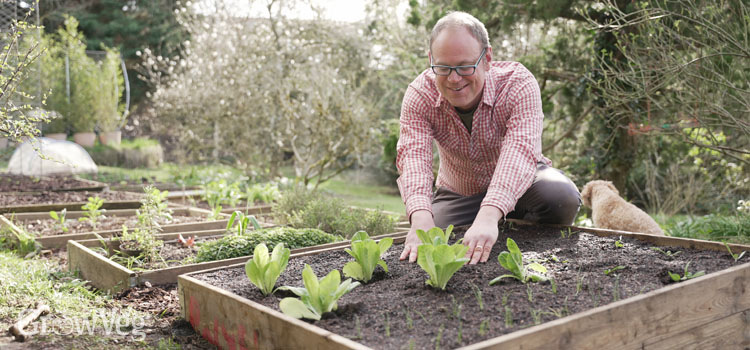
- Keep a garden journal or map to record what you plant in each bed every year. This helps you remember where each family was grown and plan future rotations.
- Label your beds or plots clearly, especially if you have a large garden or multiple raised beds.
- Include cover crops, such as clover or vetch, in your rotation. These plants add organic matter and nutrients, further improving soil health.
- Test your soil regularly with a soil moisture meter to monitor conditions and adjust your rotation plan as needed.
If you’re working with limited space, such as a small yard, check out these beginner gardening tips for small yards for ideas on maximizing your harvest while still rotating crops effectively.
Managing Pests and Diseases with Crop Rotation
One of the biggest advantages of rotating crops is breaking the cycle of soil-borne pests and diseases. For example, root maggots and clubroot often affect brassicas, while blight can persist in soil where tomatoes or potatoes have been grown repeatedly. By moving these crops to different locations each year, you reduce the risk of recurring problems.
For additional strategies, explore natural pest control for vegetable plants and ways to prevent pests in vegetable gardens to complement your rotation plan.
Common Mistakes to Avoid When Rotating Crops
While crop rotation is straightforward, there are a few pitfalls to watch for:
- Not grouping by family: Rotating individual crops instead of families can allow pests and diseases to persist.
- Forgetting to track plantings: Without records, it’s easy to repeat crops in the same spot.
- Overlooking perennial crops: Asparagus, rhubarb, and other perennials should have dedicated beds outside your rotation plan.
- Ignoring soil amendments: Even with rotation, replenish soil with compost or organic matter to maintain fertility.
Adapting Crop Rotation for Small Gardens and Raised Beds
Even if you have limited space, you can still benefit from rotating crops. In small gardens or raised beds, try these strategies:
- Use containers or movable planters to change locations each season.
- Group crops by family within each bed and rotate the groups annually.
- Focus on a two- or three-year rotation if space is tight.
- Grow cover crops during the off-season to boost soil health.
For more ideas on getting started, see these beginner tips for starting a vegetable garden from trusted gardening experts.
Frequently Asked Questions
How often should I rotate crops in my vegetable garden?
Ideally, rotate plant families every year, following a three- or four-year cycle. This means a particular family won’t return to the same spot for at least three years, reducing pest and disease risks and promoting soil recovery.
Can I practice crop rotation in a small garden?
Yes, even in small spaces, you can group crops by family and avoid planting the same group in the same spot two years in a row. Raised beds, containers, and creative layouts make rotation possible in any size garden.
What if I grow the same crop every year?
Continuous planting of the same crop in one area can lead to nutrient depletion and increased pest and disease problems. Rotating crops, even in a simple cycle, helps maintain soil health and improves yields over time.
Do I need to rotate flowers and herbs too?
While rotation is most important for vegetables, some herbs and flowers can also benefit, especially if they are susceptible to soil-borne diseases. However, focus primarily on rotating major vegetable families for best results.