Starting a garden in a compact area can feel challenging, but with the right approach, even the smallest outdoor or balcony space can become a productive, beautiful retreat. Whether you have a tiny backyard, a narrow side yard, or just a patio, these beginner gardening tips for small yards will help you make the most of your available space and enjoy the satisfaction of growing your own plants, herbs, or vegetables.
Focusing on smart planning, space-saving techniques, and the right plant choices, new gardeners can achieve impressive results. If you’re looking for more advice on specific crops, you might find this guide on how to grow carrots in containers especially useful as you get started.
Planning Your Compact Garden Layout
Before you start digging or buying plants, take time to assess your space and set realistic goals. Sketch a simple layout of your yard or patio, noting sun exposure, shady spots, and any existing features. This will help you decide where to place containers, raised beds, or vertical planters.
- Measure your available area to determine what fits best—raised beds, pots, or hanging baskets.
- Observe sunlight patterns throughout the day. Most vegetables and flowers need at least 6 hours of direct sun.
- Identify areas with good drainage and easy access to water.
Good planning ensures you use every inch efficiently and avoid overcrowding, which can lead to poor plant health.
Choosing the Right Plants for Limited Spaces
Not all plants thrive in small settings. Select varieties that are well-suited for containers or tight beds. Many seed packets and plant labels indicate whether a plant is compact, dwarf, or container-friendly. For those just starting out, easy crops for beginners can be a great place to begin.
- Leafy greens like lettuce, spinach, and kale grow quickly and don’t need deep soil.
- Herbs such as basil, parsley, and chives flourish in small pots and window boxes.
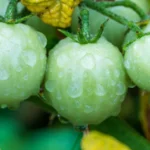
- Compact tomatoes, peppers, and bush beans are ideal for containers or raised beds.
- Root vegetables like radishes and carrots (especially in containers) are rewarding and space-efficient.
Mixing edible and ornamental plants can add color and attract pollinators, making your garden both productive and beautiful.

Soil, Watering, and Fertilizing in Small Gardens
Healthy soil is the foundation of any successful garden, but it’s especially important in small or container gardens. Use a high-quality potting mix or a blend designed for raised beds. For more details, see this advice on the best soil mix for growing vegetables.
- Fill containers and beds with nutrient-rich soil to support strong root growth.
- Check soil moisture regularly. Small spaces dry out faster, so consistent watering is key. A soil moisture meter can help prevent over- or under-watering.
- Feed your plants with slow-release or organic fertilizers to maintain fertility. Learn about organic fertilizers for home gardens for sustainable options.
Mulching with straw or shredded leaves helps retain moisture and suppress weeds, making maintenance easier in compact areas.
Maximizing Space: Vertical and Container Gardening
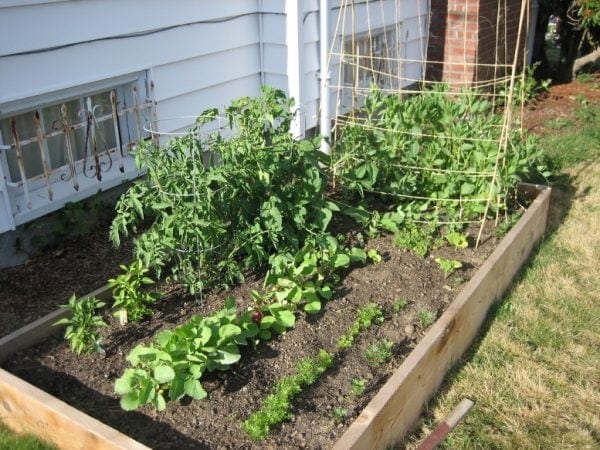
When ground space is limited, think vertically. Use trellises, wall planters, or hanging baskets to grow upward and multiply your planting area. Many vegetables, such as peas, beans, and cucumbers, climb naturally and thrive when given support.
- Install shelves or racks along fences and walls for pots and planters.
- Try stackable planters or tiered stands for herbs and strawberries.
- Use railing boxes or window planters to add greenery without taking up floor space.
Container gardening is especially useful for renters or those with paved yards. Move pots to catch the sun or protect delicate plants from harsh weather as needed.
Maintenance and Troubleshooting for Small-Space Gardens
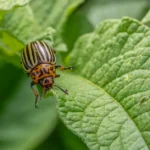
Keeping a small garden healthy is often easier than managing a large plot, but it still requires regular attention. Monitor your plants closely for signs of pests, disease, or nutrient deficiencies. Remove dead leaves and spent flowers to encourage new growth and prevent problems from spreading.
- Water early in the day to reduce evaporation and discourage fungal issues.
- Rotate crops in containers each season to prevent soil-borne diseases.
- Compost kitchen scraps to create your own fertilizer—see this step-by-step guide on how to compost kitchen waste for gardening.
With close observation and quick action, you can keep your compact garden thriving all season long.
Harvesting and Enjoying Your Small Garden’s Bounty
One of the joys of gardening in a small space is the ability to harvest fresh produce right outside your door. Pick leafy greens and herbs regularly to encourage more growth. Harvest vegetables when they’re young and tender for the best flavor.
- Use clean scissors or pruners to avoid damaging plants.
- Share extra produce with neighbors or friends—small gardens can be surprisingly productive!
- Try new recipes and enjoy the satisfaction of eating what you’ve grown.
Frequent harvesting not only provides fresh food but also keeps your plants healthy and productive.
Frequently Asked Questions
What are the best vegetables to grow in a small yard?
Leafy greens like lettuce and spinach, compact bush tomatoes, peppers, radishes, and herbs are excellent choices for limited spaces. Many of these crops thrive in containers or raised beds and offer quick harvests.
How can I improve soil quality in a tiny garden?
Use a high-quality potting mix or raised bed blend, and enrich it with compost or organic matter. Regularly adding composted kitchen scraps or using organic fertilizers for home gardens will help maintain fertility and structure.
How often should I water my small garden?
Small gardens and containers dry out faster than larger beds. Check soil moisture daily, especially during hot weather. For more detailed advice, see this guide on how often to water a vegetable garden.
Can I grow root vegetables in containers?
Yes, many root crops like carrots and radishes do well in deep containers. Choose varieties labeled as “container” or “baby” types for the best results. For a step-by-step approach, check out the resource on how to grow carrots in containers.
Conclusion
With thoughtful planning and a few beginner gardening tips for small yards, anyone can transform a compact space into a flourishing green oasis. Focus on choosing the right plants, using vertical and container techniques, and maintaining healthy soil and watering habits. Even the smallest garden can provide beauty, relaxation, and a steady supply of fresh produce throughout the season.