Urban gardening and small-space homesteading have become increasingly popular as more people look for ways to grow their own food, even with limited outdoor areas. If you’re eager to maximize your balcony, patio, or even a sunny windowsill, learning how to build DIY small-space planters can transform your approach to gardening. With the right techniques and materials, you can cultivate herbs, vegetables, or flowers in compact environments, making the most of every inch available.
Whether you’re a beginner or an experienced gardener, creating your own custom planters allows you to tailor solutions to your unique space and style. This guide covers practical steps, creative ideas, and essential tips for constructing efficient, attractive containers that fit tight spots. For those interested in expanding their knowledge of growing food in limited areas, you might also find value in reading about how to grow vegetables in small spaces for additional strategies and crop suggestions.
Why Choose Custom Planters for Compact Spaces?
Store-bought containers can be convenient, but they’re not always the best fit for unique layouts or specific plants. By constructing your own planters, you gain control over size, shape, and materials, ensuring they suit your available area and gardening goals. DIY options are often more affordable and can be made from upcycled or sustainable materials, reducing waste and saving money.
Small-space planters are ideal for:
- Balconies and patios with limited floor space
- Windowsills and ledges that need custom sizing
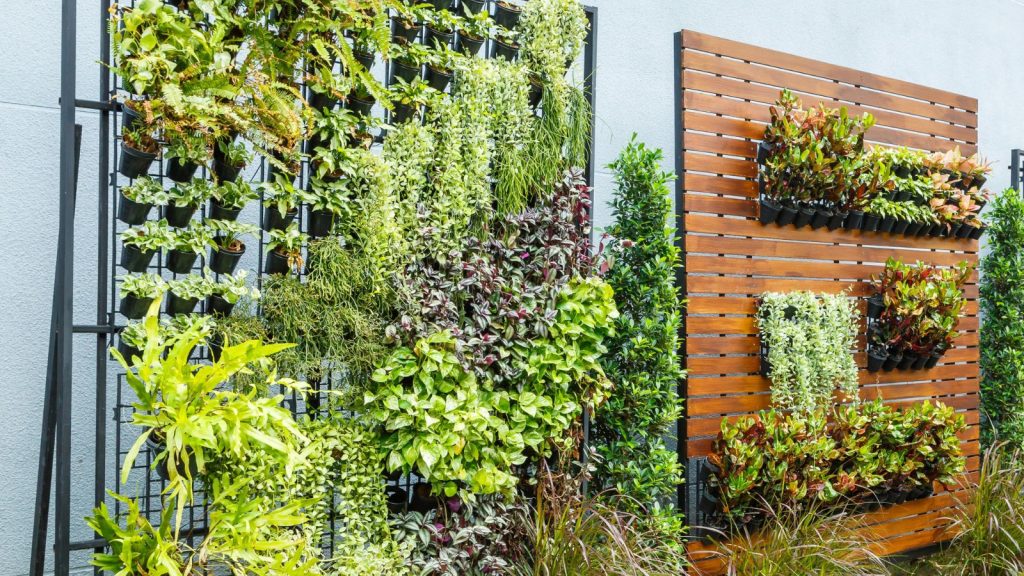
- Vertical gardening setups
- Urban gardens where portability is important
With a little creativity, you can turn almost any nook into a productive growing area. If you’re just starting out, check out this comprehensive guide to starting a homestead for broader inspiration.
Materials and Tools for DIY Planters
Before you begin, gather the necessary supplies. The materials you choose will depend on your design, but common options include:
- Wood: Cedar, pine, or reclaimed pallets are popular for their durability and rustic look.
- Fabric: Grow bags made from breathable fabric are lightweight and easy to move.
- Metal: Galvanized tubs or buckets offer an industrial aesthetic and resist rust.
- Plastic: Repurposed storage bins or food-safe containers are budget-friendly and versatile.
Essential tools often include a saw, drill, screws or nails, measuring tape, and a staple gun (for fabric). Always ensure containers have adequate drainage holes to prevent root rot.
Step-by-Step Guide to Building a Simple Wooden Planter
One of the most popular DIY projects for small spaces is a basic wooden box planter. Here’s a straightforward process to create your own:
- Measure Your Space: Decide on the dimensions that fit your area. A common size for balconies is 24” long x 8” wide x 8” deep.
- Cut the Wood: Use untreated cedar or pine boards. Cut two pieces for the long sides, two for the short ends, and one for the base.
- Assemble the Box: Attach the sides to the base using screws or nails. Reinforce the corners for stability.
- Add Drainage: Drill several holes in the bottom to allow excess water to escape.
- Line the Planter (Optional): Use landscaping fabric to line the inside, which helps retain soil while letting water drain.
- Fill and Plant: Add quality potting mix and your chosen plants or seeds.
This simple design can be adapted to any size or shape. For more on preparing your soil for optimal growth, see how to prepare soil for planting vegetables.

Creative Ideas for Maximizing Small Spaces
When working with limited room, thinking vertically and using multi-functional designs can help you grow more in less space. Here are a few innovative concepts:
- Vertical Gardens: Stack planters or use wall-mounted pockets to grow herbs and greens upwards.
- Tiered Containers: Arrange pots at different heights to create layers, making harvesting and watering easier.
- Hanging Baskets: Suspend planters from railings or hooks to free up floor area.
- Rail Planters: Attach containers to balcony or deck rails for easy access and sunlight.
Each of these solutions can be tailored to your specific needs and available materials. For those new to gardening, easy vegetables for beginners to grow can help you choose the right crops for your containers.
Best Plants for DIY Containers in Tight Areas
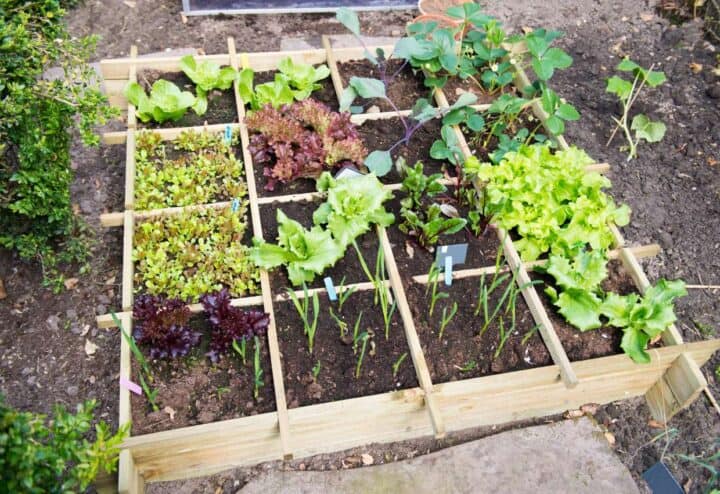
Choosing the right crops is key to success in small-space gardening. Compact, fast-growing, or shallow-rooted plants typically perform best. Consider these options:
- Leafy greens: Lettuce, spinach, and arugula thrive in shallow containers and can be harvested repeatedly.
- Herbs: Basil, parsley, chives, and cilantro are perfect for windowsills or vertical planters.
- Root vegetables: Radishes and baby carrots grow well in deeper pots.
- Compact fruiting plants: Bush tomatoes, dwarf peppers, and strawberries can flourish in larger containers.
For a more detailed look at what to grow, see the best vegetables to grow at home for fresh produce all season long.
Tips for Maintaining Healthy Planters in Small Spaces
Once your containers are set up, ongoing care is essential for thriving plants. Here are some practical maintenance tips:
- Water consistently: Small containers dry out quickly. Check moisture daily, especially in hot weather.
- Use quality soil: Choose a lightweight, well-draining potting mix enriched with compost or slow-release fertilizer.
- Monitor sunlight: Most vegetables and herbs need at least 6 hours of direct sun. Move portable planters as needed.
- Rotate crops: Change plant types each season to prevent soil-borne diseases and nutrient depletion.
- Prune and harvest regularly: Frequent picking encourages more growth and keeps plants compact.
For those interested in growing onions or other specific crops, the step-by-step guide on how to grow onions from bulbs offers detailed instructions tailored to container gardening.
Frequently Asked Questions
What materials are best for homemade planters in small areas?
Wood, fabric grow bags, metal tubs, and sturdy plastic containers are all excellent choices. Select materials based on your climate, aesthetic preference, and the weight your space can support. Always ensure the material is safe for edible plants and provides proper drainage.
How do I prevent overwatering in compact containers?
Drill or poke several drainage holes in the bottom of each planter. Use a well-draining potting mix and water only when the top inch of soil feels dry. Elevate containers slightly to allow excess water to escape freely.
Can I reuse soil from last season in my DIY planters?
It’s possible to reuse soil, but it’s best to refresh it by removing old roots, mixing in compost, and adding slow-release fertilizer. This helps replenish nutrients and reduces the risk of disease. Rotate crops to further maintain soil health.