Container gardening is a practical and rewarding way to embrace the homesteading lifestyle, whether you have a sprawling backyard or a compact urban balcony. With the right approach, containers can yield a surprising abundance of fresh produce, herbs, and even flowers, all while fitting seamlessly into modern living spaces. This guide shares essential modern homesteading container gardening tips to help you maximize your harvest, conserve resources, and enjoy the satisfaction of growing your own food.
For those interested in expanding their gardening skills, learning how to grow vegetables in small spaces offers additional strategies for making the most of limited areas. Whether you’re a beginner or a seasoned gardener, the following advice will help you create a thriving container garden that supports your self-sufficiency goals.
Choosing the Right Containers for Homestead Gardens
Selecting suitable containers is the foundation of a successful container garden. The size, material, and drainage capacity of your pots directly affect plant health and productivity. For most vegetables and herbs, containers that are at least 12 inches deep and wide provide ample room for root development. Larger crops like tomatoes or peppers benefit from even bigger pots, while shallow-rooted greens can thrive in smaller ones.
Popular container materials include:
- Terracotta: Classic and breathable, but dries out quickly.
- Plastic: Lightweight, affordable, and retains moisture well.
- Fabric grow bags: Excellent drainage and root aeration, easy to move.
- Wooden boxes: Natural look, but ensure they are untreated and rot-resistant.
Always ensure that your containers have adequate drainage holes to prevent waterlogging, which can lead to root rot and other issues.
Soil and Fertility: The Key to Productive Container Crops
Unlike in-ground beds, containers require a carefully balanced soil mix to supply nutrients and retain moisture. Use a high-quality potting mix rather than garden soil, which can compact and hinder drainage. Many modern homesteaders create their own blend using:
- One part compost for nutrients
- One part coconut coir or peat moss for moisture retention
- One part perlite or coarse sand for drainage
Regular feeding is essential, as nutrients in containers are quickly depleted. Incorporate slow-release organic fertilizers or supplement with liquid feeds every few weeks. Compost tea and worm castings are excellent natural options to boost plant health and productivity.
For more in-depth advice on soil preparation, see how to prepare soil for planting vegetables.
Best Edible Plants for Container Homesteading
Many crops adapt well to pots, making them ideal for self-sufficient living in small or unconventional spaces. Some of the most reliable choices include:
- Leafy greens: Lettuce, spinach, arugula, and kale grow quickly and can be harvested repeatedly.
- Herbs: Basil, parsley, chives, mint, and thyme thrive in containers and add fresh flavor to meals.
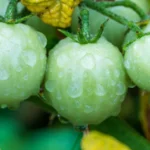
- Tomatoes and peppers: Choose compact or dwarf varieties for best results.
- Root vegetables: Radishes, carrots, and beets can be grown in deep pots.
- Beans and peas: Bush types are space-efficient and productive.
For those just starting out, check out these easy vegetables for beginners to grow for more inspiration.
Watering and Maintenance Strategies for Container Gardens
Consistent moisture is vital for healthy container plants, but overwatering is a common pitfall. Check soil moisture daily by inserting your finger about an inch deep; water when the top inch feels dry. Early morning is the best time to water, reducing evaporation and giving plants time to absorb moisture before the heat of the day.
Mulching the surface of containers with straw, shredded leaves, or bark helps retain moisture and suppress weeds. Grouping pots together can also create a microclimate that reduces water loss. If you travel frequently, consider self-watering containers or drip irrigation systems for convenience.
Maximizing Space and Sunlight in Small Homestead Setups
One of the core modern homesteading container gardening tips is to make the most of every available inch. Use vertical gardening techniques such as stacking pots, hanging baskets, or trellises for vining crops like beans and cucumbers. Place sun-loving plants in the brightest spots, and rotate containers regularly to ensure even growth.
If you’re working with a shaded balcony or patio, select crops that tolerate lower light, such as leafy greens and some herbs. Reflective surfaces, like light-colored walls or mirrors, can help bounce extra sunlight onto your plants.
Seasonal Planning and Crop Rotation in Containers
Planning your container garden by season extends your harvest and keeps your setup productive year-round. Start with cool-season crops like lettuce and peas in early spring, then switch to heat-loving tomatoes and peppers as temperatures rise. In fall, replant with greens, radishes, or even overwintering onions.
Even in containers, rotating crops helps prevent soil-borne diseases and nutrient depletion. Change the type of plant grown in each pot every season, and refresh the soil mix annually for best results. For those interested in specific crops, learning how to grow onions from bulbs can add variety to your homegrown produce.
Embracing the Homesteading Mindset with Containers
Container gardening is more than just a practical solution for limited space—it’s a way to cultivate resilience, creativity, and self-reliance. By experimenting with different crops, soil blends, and growing techniques, you’ll gain valuable skills that can be applied to larger-scale homesteading projects in the future.
If you’re new to the homesteading lifestyle or want to deepen your understanding, explore this comprehensive introduction to modern homesteading and how to get started for further insights.
Common Challenges and Solutions for Container Growers
Even experienced gardeners face occasional setbacks with container crops. Here are some typical issues and how to address them:
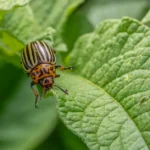
- Pests: Use floating row covers, hand-picking, or natural sprays like neem oil to control insects.
- Diseases: Ensure good air circulation, avoid overhead watering, and remove affected leaves promptly.
- Leggy or weak growth: Increase sunlight exposure and avoid over-fertilizing with nitrogen-heavy products.
- Soil compaction: Refresh potting mix annually and loosen soil gently between plantings.
Frequently Asked Questions
What are the best containers for growing vegetables on a homestead?
Sturdy pots with good drainage are ideal. Fabric grow bags, large plastic pots, and untreated wooden boxes are all excellent choices. The key is to match the container size to the crop’s root requirements and ensure excess water can escape easily.
How often should I fertilize my container garden?
Container plants need regular feeding because nutrients leach out with each watering. Use a balanced organic fertilizer every 2–4 weeks, and supplement with compost tea or worm castings for ongoing nutrition.
Can I reuse potting soil from last season?
Yes, but it’s best to refresh old soil by mixing in new compost and removing any roots or debris. Rotating crops and sterilizing containers between seasons also helps prevent disease buildup.
Conclusion
With these practical modern homesteading container gardening tips, anyone can grow a productive and beautiful garden, regardless of space constraints. By choosing the right containers, optimizing soil and nutrients, and planning for each season, you’ll enjoy fresh, homegrown food and the satisfaction that comes with self-sufficiency. Start small, experiment, and let your container garden evolve as your skills and confidence grow.