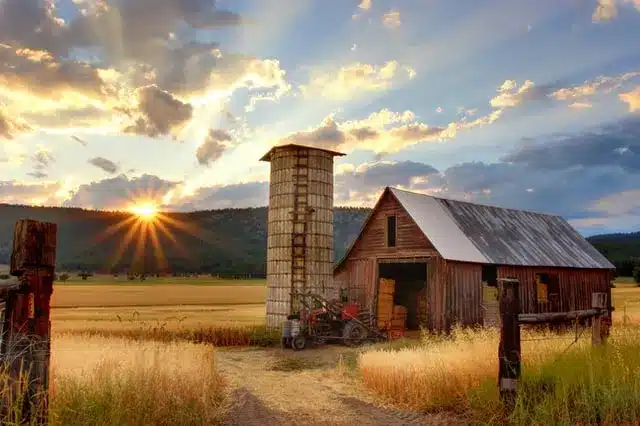
Modern homesteading raised bed gardening has become a popular approach for those seeking greater self-sufficiency, sustainability, and productivity in their home gardens. By combining time-tested techniques with contemporary methods, today’s homesteaders are able to grow a wide variety of vegetables, herbs, and even fruits in compact, manageable spaces. Raised beds offer numerous advantages, from improved soil quality and drainage to easier weed and pest management. Whether you’re working with a sprawling rural property or a modest suburban backyard, this approach can help you maximize your harvest and enjoy a more rewarding gardening experience.
Before diving into the practical steps of setting up your own raised beds, it’s helpful to understand how this method fits into the broader philosophy of modern homesteading. For a deeper look at the principles and lifestyle behind this movement, you might find this comprehensive overview of modern homesteading insightful.
Getting started with raised beds doesn’t require a large investment or advanced skills. In fact, many beginners find this method more approachable than traditional in-ground gardening. If you’re interested in expanding your gardening knowledge, you may also want to explore guides like how to grow onions from bulbs or tips for how to grow vegetables in small spaces for additional inspiration.
Benefits of Raised Bed Gardening for Modern Homesteaders
Utilizing raised beds offers a range of advantages that align perfectly with the goals of today’s homesteaders. Here are some of the most significant benefits:
- Improved Soil Quality: Raised beds allow you to control the soil mix, ensuring optimal fertility and structure for your crops.
- Better Drainage: Elevated beds prevent waterlogging, reducing the risk of root rot and soil compaction.
- Weed and Pest Control: Defined borders make it easier to manage weeds and deter common garden pests.
- Extended Growing Season: Soil in raised beds warms up faster in spring, allowing for earlier planting and later harvests.
- Accessibility: Raised beds can be built at a height that reduces bending and kneeling, making gardening more comfortable for people of all ages.
Planning Your Raised Bed Layout
Thoughtful planning is key to making the most of your raised bed setup. Consider the following factors as you design your garden:
- Location: Choose a spot that receives at least 6-8 hours of direct sunlight daily. Avoid areas with poor drainage or heavy shade.
- Bed Size: Standard beds are often 4 feet wide (for easy access from both sides) and 6-12 feet long. Height can range from 6 to 24 inches, depending on your needs and available materials.
- Pathways: Leave enough space between beds (at least 18-24 inches) for comfortable movement and wheelbarrow access.
- Orientation: Align beds north to south for even sunlight exposure, especially if you plan to grow tall crops.
Mapping out your garden on paper or using a simple online tool can help you visualize the space and avoid overcrowding.
Building and Filling Your Raised Beds
Constructing raised beds can be as simple or elaborate as you like. Common materials include untreated wood, galvanized metal, bricks, or even recycled materials. When choosing materials, ensure they are safe for food crops and durable enough to withstand the elements.
- Frame Construction: Assemble your chosen material into a rectangular or square frame. Secure the corners with screws or brackets for stability.
- Site Preparation: Remove grass and weeds from the area where your bed will sit. Laying down cardboard or landscape fabric can help suppress future weed growth.
- Filling the Bed: Fill the frame with a blend of topsoil, compost, and organic matter. A common mix is 60% topsoil, 30% compost, and 10% perlite or sand for drainage.
- Level and Water: Level the soil surface and water thoroughly to help it settle before planting.

Choosing Crops for Your Homestead Garden
One of the joys of raised bed gardening is the ability to grow a diverse selection of plants in a small area. When selecting crops, consider your climate, family preferences, and storage capabilities. Some of the best vegetables to grow at home include tomatoes, lettuce, carrots, beans, and peppers. These crops are well-suited for raised beds and offer high yields with proper care.
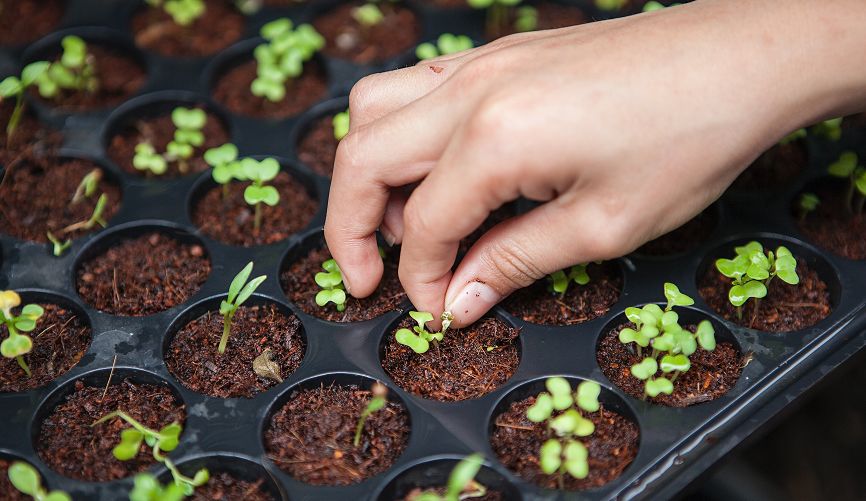
If you’re just starting out, focus on easy vegetables for beginners to grow such as radishes, spinach, and bush beans. These are forgiving, quick to mature, and provide a satisfying harvest even for novice gardeners.
Soil Health and Maintenance in Raised Beds
Maintaining healthy soil is at the heart of productive raised bed gardening. Here are some essential practices:
- Crop Rotation: Change the location of plant families each year to prevent soil-borne diseases and nutrient depletion.
- Composting: Add compost annually to replenish nutrients and improve soil structure.
- Mulching: Apply organic mulch (such as straw or shredded leaves) to retain moisture, suppress weeds, and moderate soil temperature.
- Regular Testing: Test your soil every couple of years to monitor pH and nutrient levels, adjusting as needed for optimal plant growth.
For more detailed advice on preparing your garden beds, see this guide on how to prepare soil for planting vegetables.
Watering and Irrigation Strategies
Consistent watering is crucial for raised beds, as they tend to dry out faster than in-ground gardens. Consider these tips:
- Water deeply and less frequently to encourage deep root growth.
- Install drip irrigation or soaker hoses for efficient, targeted watering.
- Water early in the day to reduce evaporation and minimize disease risks.
Monitoring soil moisture regularly will help you adjust your watering schedule to match the needs of your crops and local climate.
Pest and Weed Management in Raised Beds
Raised beds naturally reduce some pest and weed issues, but proactive management is still important. Use these strategies:
- Install physical barriers like row covers or netting to protect young plants.
- Hand-pull weeds regularly before they set seed.
- Encourage beneficial insects by planting flowers and herbs nearby.
- Rotate crops and clean up plant debris at season’s end to break pest cycles.
Harvesting and Succession Planting
One of the most rewarding aspects of this gardening style is the ability to harvest fresh produce throughout the growing season. Practice succession planting—sowing new seeds as soon as a crop is harvested—to maximize your yields and keep your beds productive. Fast-growing crops like lettuce, radishes, and spinach can be replanted several times in a single season.
Frequently Asked Questions
What materials are best for building raised beds?
Untreated cedar or redwood are popular choices due to their natural resistance to rot. Galvanized metal, bricks, and concrete blocks are also durable options. Avoid using treated lumber or materials that could leach chemicals into the soil.
How deep should my raised beds be?
Most vegetables grow well in beds that are 12 to 18 inches deep. Shallow-rooted crops like lettuce and radishes can thrive in beds as shallow as 6 inches, while root crops benefit from deeper soil.
Can I use raised beds in small spaces or urban settings?
Absolutely. Raised beds are ideal for maximizing productivity in limited spaces, including patios, balconies, and small yards. For more tips on space-saving techniques, check out this article on how to grow vegetables in small spaces.
Conclusion
Adopting modern homesteading raised bed gardening techniques can transform your approach to growing food, whether you’re a seasoned gardener or just starting out. By planning carefully, maintaining healthy soil, and choosing the right crops, you’ll enjoy abundant harvests and the satisfaction of greater self-reliance. As you gain experience, you can experiment with new varieties, extend your growing season, and refine your methods to suit your unique homestead environment.