Embracing modern homesteading sustainable living tips is about more than just growing your own food or keeping a few chickens. It’s a lifestyle that prioritizes self-sufficiency, eco-friendly choices, and a closer connection to the land—whether you live on a rural acreage or in a suburban neighborhood. Today’s homesteaders blend traditional skills with modern innovation to create resilient, sustainable households that benefit both people and the planet.
This guide explores practical strategies for adopting a more sustainable way of living, from growing your own produce and raising animals to conserving resources and building community. Whether you’re just starting out or looking to deepen your commitment to sustainability, you’ll find actionable advice to help you thrive on your homesteading journey.
If you’re interested in maximizing your harvest, learning how to grow onions from bulbs can be a great first step for beginners. Starting with easy crops helps build confidence and sets the stage for a more productive, sustainable homestead.
Getting Started with Self-Sufficiency
Building a sustainable homestead begins with small, intentional steps. Assess your available space, resources, and time. Even a modest backyard or balcony can support a surprising amount of food production and eco-friendly living. Here are some foundational actions:
- Grow your own food: Start with a few raised beds or containers. Focus on crops that are easy to grow and provide high yields, such as tomatoes, lettuce, and beans.
- Compost kitchen and yard waste: Composting reduces landfill waste and provides nutrient-rich soil for your garden.
- Reduce energy and water use: Install rain barrels, use energy-efficient appliances, and practice mindful consumption.
For those with limited space, check out these tips on how to grow vegetables in small spaces to make the most of urban or suburban environments.
Raising Animals for a Sustainable Homestead
Incorporating animals into your homestead can provide food, fertilizer, and valuable learning experiences. Chickens, ducks, goats, and even bees are popular choices for modern homesteaders. Each species offers unique benefits and requires specific care:
- Chickens: Provide fresh eggs, natural pest control, and compostable manure.
- Goats: Supply milk, help clear brush, and can be raised for meat or fiber.
- Bees: Pollinate your garden and produce honey and beeswax.
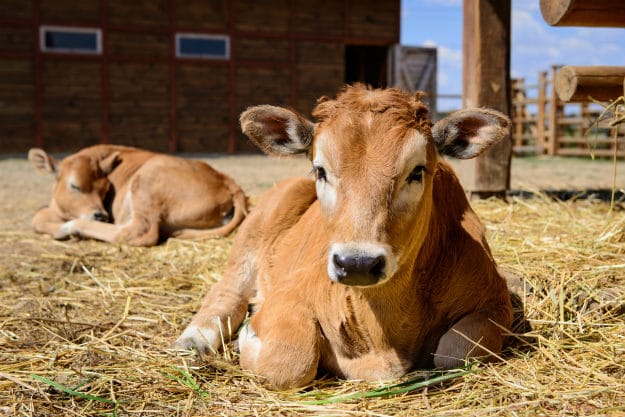
Before adding animals, research local ordinances and consider your long-term commitment. Start small, learn as you go, and expand as your confidence and experience grow.
Eco-Friendly Gardening Techniques
Adopting sustainable gardening practices is at the heart of modern homesteading. These methods not only improve soil health and biodiversity but also reduce reliance on synthetic chemicals:
- Crop rotation: Rotating crops each season prevents soil depletion and reduces pest problems.
- Companion planting: Growing certain plants together can enhance growth and deter pests naturally.
- Mulching: Applying organic mulch conserves moisture, suppresses weeds, and enriches the soil.
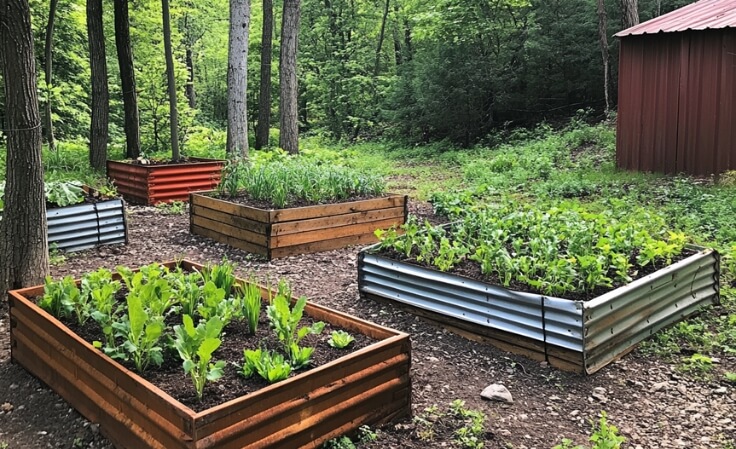
Raised beds are a popular choice for new and experienced gardeners alike. They offer better drainage, easier weed control, and can be built from a variety of materials. If you’re looking for inspiration on what to plant, explore the best vegetables to grow at home for a steady supply of fresh produce.
Resource Conservation and Waste Reduction
Conserving resources is a cornerstone of sustainable living. By minimizing waste and using resources efficiently, you can reduce your environmental impact and save money:
- Harvest rainwater for irrigation and cleaning.
- Repurpose materials for garden beds, fencing, and other projects.
- Preserve food through canning, drying, or fermenting to minimize spoilage and reliance on store-bought goods.
Timing is also important for resource efficiency. Knowing when to plant vegetables in spring ensures you make the most of your growing season and avoid unnecessary waste.
Building Community and Sharing Knowledge
Homesteading doesn’t have to be a solitary pursuit. Connecting with others—whether online or in person—can provide support, inspiration, and practical advice. Consider joining local gardening clubs, attending workshops, or participating in seed swaps. Sharing surplus produce, seeds, or skills helps build a resilient, supportive network.
For a deeper dive into the philosophy and practicalities of this lifestyle, the Willowbottom guide to contemporary homesteading offers a comprehensive overview of sustainable practices and community building.
Adapting to Challenges and Staying Resilient
Every homestead faces unique challenges, from unpredictable weather to pest outbreaks or resource limitations. Flexibility and a willingness to learn are key. Start with manageable projects, celebrate small victories, and don’t be discouraged by setbacks. Over time, you’ll develop the skills and confidence to tackle bigger goals.
For those just beginning, focusing on easy vegetables for beginners to grow can help ensure early success and keep motivation high. Remember, sustainable living is a journey, not a destination.
Frequently Asked Questions
What are the first steps to creating a sustainable homestead?
Begin by assessing your available space and resources. Start small with a few garden beds or containers, compost your kitchen scraps, and gradually introduce eco-friendly habits like rainwater collection and energy conservation. As you gain experience, you can expand into raising animals or preserving food.
Can I practice homesteading in an urban or suburban area?
Absolutely. Many modern homesteaders live in cities or suburbs. Focus on container gardening, vertical planting, and small-scale composting. Even a balcony or windowsill can support herbs and vegetables. Community gardens and local groups can also provide space and support.
How do I choose which crops or animals to start with?
Select crops that are well-suited to your climate and easy to grow, such as lettuce, radishes, or tomatoes. For animals, chickens are a popular starting point due to their manageable size and benefits. Research local regulations and start with just a few to learn the basics before expanding.
Conclusion
Adopting a sustainable, self-reliant lifestyle is an ongoing process that rewards patience, curiosity, and adaptability. By integrating modern homesteading sustainable living tips into your daily life, you can reduce your environmental impact, enjoy healthier food, and build a stronger connection to your community and the natural world. Start with small, achievable steps, keep learning, and enjoy the journey toward a more sustainable future.