Modern homesteading in suburbs is transforming how people approach self-sufficiency, sustainability, and healthy living—even on smaller plots of land. With a bit of creativity and planning, suburban residents can grow food, reduce waste, and reconnect with nature, all while working within the unique constraints and opportunities of their neighborhoods. This guide explores practical strategies for suburban homesteaders, from gardening and composting to community building and resource management.
If you’re eager to start cultivating your own produce, you might find it helpful to learn about how to grow onions from bulbs as a beginner’s project. Early wins like these can inspire confidence and help you make the most of your available space.
What Is Modern Homesteading in Suburbs?
At its core, suburban homesteading means applying principles of self-reliance and sustainability within a residential neighborhood. Unlike traditional rural homesteads, suburban plots are typically smaller, with closer neighbors and more restrictive zoning. However, this doesn’t mean you can’t enjoy the benefits of homegrown food, reduced utility bills, and a more eco-friendly lifestyle.
Modern homesteading in suburbs often includes:
- Growing vegetables, herbs, and fruit in gardens, raised beds, or containers
- Composting kitchen and yard waste
- Harvesting rainwater
- Raising small livestock (where permitted)
- DIY projects for home efficiency
- Building community connections for sharing and bartering
For a deeper dive into the philosophy and practicalities, the Introduction to Modern Homesteading podcast offers expert insights and real-life stories.
Getting Started: Assessing Your Suburban Space
Before planting or building, take time to evaluate your property. Consider sun exposure, soil quality, available space, and local regulations. Even a small yard or patio can support a surprising amount of food production with the right approach.
Start by mapping out your yard, noting sunny and shady areas. Test your soil or consider raised beds if the native soil is poor. Research local ordinances regarding gardening, composting, and livestock to avoid surprises.
If you’re working with limited space, urban gardening techniques can help maximize your harvest. For inspiration, see these tips on how to grow vegetables in small spaces.
Essential Skills for Suburban Homesteaders
Building a successful suburban homestead requires a mix of gardening, DIY, and resource management skills. Here are some foundational practices to consider:
Edible Gardening and Crop Selection
Choosing the right crops is key. Focus on varieties that thrive in your climate and fit your family’s needs. Many suburban gardeners start with easy, high-yield vegetables like tomatoes, peppers, lettuce, and herbs. If you’re new to gardening, check out the easy vegetables for beginners to grow for a smooth start.
Succession planting, companion planting, and vertical gardening can all help you get more from limited space. Consider integrating perennial edibles like berry bushes or dwarf fruit trees for long-term yields.
Composting and Soil Building
Healthy soil is the foundation of any productive garden. Composting kitchen scraps and yard waste reduces landfill contributions and creates nutrient-rich amendments for your beds. Even a small compost bin or worm farm can make a big difference in soil fertility.
Water Conservation and Rain Harvesting
Water is a precious resource, especially in suburban settings where costs and restrictions may apply. Install rain barrels to capture runoff from your roof, and use mulch to retain moisture in garden beds. Drip irrigation systems can further reduce waste and target water where it’s needed most.
Creative Solutions for Suburban Plots
Modern homesteading in suburbs often means working around space and zoning limitations. Here are some creative ideas to help you make the most of your property:
- Container Gardening: Grow herbs, greens, and even root vegetables in pots on patios or balconies.
- Vertical Structures: Use trellises, wall planters, or hanging baskets to expand growing space upward.
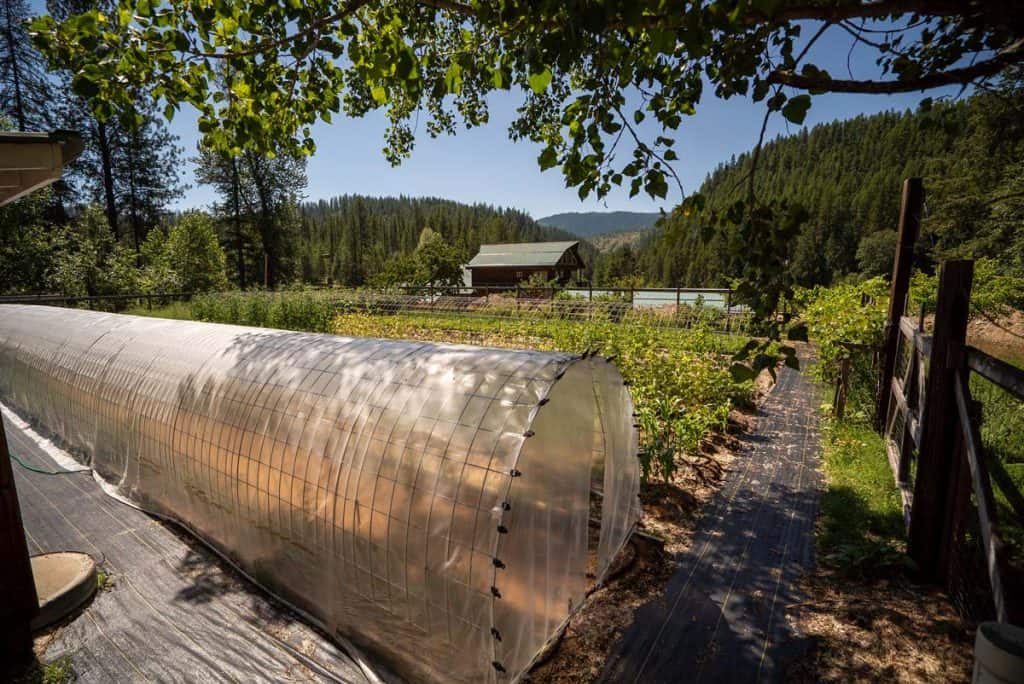
- Mini Greenhouses: Small hoop houses or cold frames can extend your growing season and protect tender crops.
- Edible Landscaping: Replace ornamental plants with edible ones for beauty and productivity.
- Shared Spaces: Collaborate with neighbors on community gardens or shared tool libraries.
Seasonal Planning and Crop Rotation
Effective suburban homesteading depends on timing and planning. Create a planting calendar based on your region’s frost dates and growing season. Rotate crops each year to prevent soil depletion and reduce pest issues.
For help with timing, see this guide on when to plant vegetables in spring. Keeping a garden journal can also help you track successes and challenges from year to year.
Building Community and Sharing Resources
One of the most rewarding aspects of suburban self-sufficiency is connecting with others. Sharing seeds, produce, tools, and knowledge strengthens neighborhood bonds and can make projects more affordable and fun.
Look for local gardening clubs, online forums, or neighborhood groups interested in sustainability. Bartering and swapping can help you access resources you might not have on your own, while also reducing waste.
Common Challenges and How to Overcome Them
While the rewards are great, suburban homesteaders may face obstacles such as HOA restrictions, limited space, or skeptical neighbors. Here are some tips for overcoming common hurdles:
- Check Local Rules: Always review city and HOA guidelines before starting new projects.
- Start Small: Begin with a few containers or a single raised bed to demonstrate success and minimize risk.
- Educate and Involve: Share your goals and harvests with neighbors to build goodwill and interest.
- Be Creative: Use attractive, low-profile designs for compost bins or chicken coops to blend with your surroundings.
Frequently Asked Questions
Can I raise chickens or bees in a suburban neighborhood?
It depends on your local ordinances and HOA rules. Many suburbs allow a limited number of backyard chickens or beehives, but you may need permits or to follow specific guidelines. Always check with your municipality before starting.
What are the best crops for small suburban gardens?
Leafy greens, tomatoes, peppers, radishes, and herbs are excellent choices for limited space. Dwarf fruit trees and berry bushes can also be productive in small yards. For more ideas, see the best vegetables to grow at home.
How can I make my suburban homestead more sustainable?
Focus on reducing waste, conserving water, composting, and growing a variety of crops. Use organic methods, recycle materials for garden projects, and share resources with neighbors to increase your positive impact.
Conclusion
Modern homesteading in suburbs is a practical, rewarding way to live more sustainably and independently, even in a neighborhood setting. By starting small, planning carefully, and connecting with your community, you can enjoy fresh food, lower your environmental impact, and create a more resilient lifestyle—right where you live.