The intersection of modern homesteading and minimalism is changing how people approach self-sufficiency, sustainability, and intentional living. By blending traditional skills with a streamlined, clutter-free mindset, individuals and families are finding new ways to reduce waste, grow their own food, and create a more meaningful lifestyle. This guide explores practical steps, essential principles, and actionable tips for anyone interested in simplifying their life while embracing the rewards of homesteading.
Whether you live on rural acreage or in a small urban space, adopting a minimalist approach to homesteading can help you focus on what truly matters. From growing your own vegetables to reducing unnecessary possessions, this philosophy encourages mindful choices that benefit both your well-being and the environment.
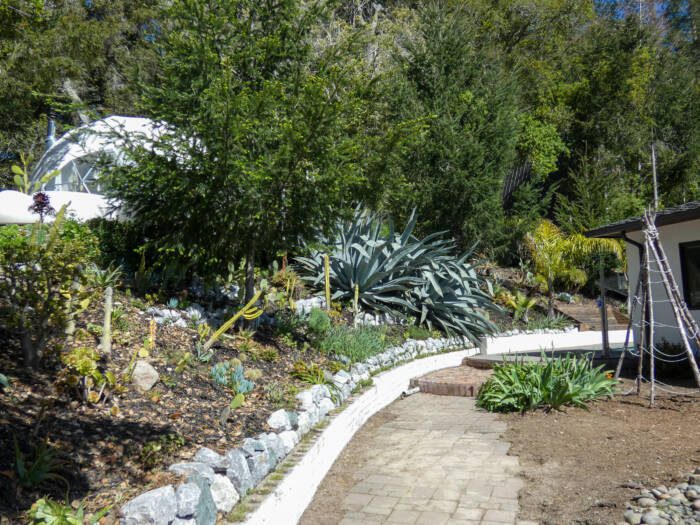
If you’re new to growing your own food, you might find it helpful to start with how to grow onions from bulbs for a simple, beginner-friendly project that fits perfectly with a minimalist homestead.
Key Principles of Minimalist Homesteading
At its core, this approach combines the resourcefulness of homesteading with the clarity of minimalism. Here are some foundational ideas to guide your journey:
- Intentional Living: Make conscious decisions about what you bring into your home and life. Focus on quality over quantity, and prioritize items that serve multiple purposes.
- Simplicity: Streamline routines and possessions. Eliminate clutter to create a calm, functional environment that supports your daily needs.
- Sustainability: Embrace practices that reduce waste, conserve resources, and promote environmental stewardship—such as composting, rainwater collection, and growing your own produce.
- Self-Sufficiency: Learn essential skills like gardening, food preservation, and basic repairs to reduce reliance on outside systems and increase resilience.
Setting Up a Minimalist Homestead
Starting a homestead doesn’t require a large property or a major investment. The minimalist mindset encourages you to begin with what you have and expand thoughtfully. Here’s how to get started:

- Assess Your Space: Whether you have a backyard, balcony, or windowsill, evaluate your available area for gardening, composting, or keeping small livestock.
- Start Small: Focus on a few manageable projects, such as a container garden or a small compost bin. This allows you to build skills and confidence without becoming overwhelmed.
- Prioritize Multipurpose Tools: Invest in high-quality, versatile tools and equipment that can handle multiple tasks, reducing the need for excess items.
- Declutter Regularly: Periodically review your possessions, keeping only what is truly useful or meaningful. Donate, sell, or recycle items that no longer serve a purpose.
For those with limited space, urban gardening is a practical way to integrate these concepts. Check out this resource on how to grow vegetables in small spaces for ideas that fit minimalist values.
Essential Skills for a Simple, Self-Sufficient Lifestyle
Building a minimalist homestead involves learning practical skills that support independence and sustainability. Here are some valuable abilities to develop:
- Gardening: Growing your own food, even on a small scale, reduces reliance on store-bought produce and cuts down on packaging waste. Beginners can start with easy crops—explore the top vegetables for beginners for inspiration.
- Food Preservation: Techniques like canning, fermenting, and dehydrating help you make the most of seasonal harvests and minimize food waste.
- Composting: Turning kitchen scraps and yard waste into nutrient-rich compost supports a healthy garden and reduces landfill contributions.
- Basic Repairs: Learning to fix simple household items or clothing extends their life and reduces the need for replacements.
Benefits of Combining Modern Homesteading and Minimalism
Merging these two philosophies offers a range of advantages for individuals, families, and the planet:
- Lower Stress: A clutter-free, organized home environment can improve mental clarity and reduce anxiety.
- Financial Savings: Growing your own food, repairing items, and avoiding unnecessary purchases can significantly lower household expenses.
- Environmental Impact: Minimalist homesteaders often produce less waste, conserve resources, and support local ecosystems.
- Greater Self-Reliance: Developing practical skills and reducing dependence on external systems fosters confidence and resilience.
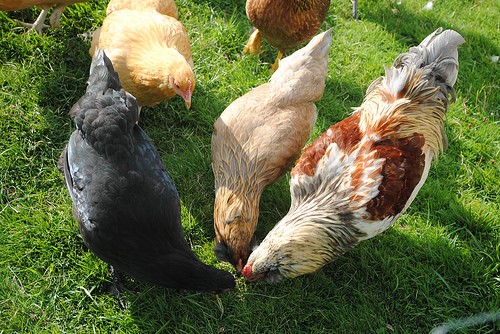
For more insights on this lifestyle, you can explore in-depth perspectives on modern homesteading from experienced practitioners.
Practical Tips for Everyday Minimalist Homesteading
Incorporating minimalist principles into your homesteading routine doesn’t have to be complicated. Here are some actionable strategies to help you stay focused and organized:
- Plan Your Projects: Set clear goals for each season, such as planting a new crop or learning a preservation method. Avoid taking on too many tasks at once.
- Rotate and Reuse: Repurpose containers, jars, and tools whenever possible. This reduces waste and saves money.
- Buy Secondhand: Look for used tools, furniture, and supplies to minimize environmental impact and keep costs down.
- Share Resources: Connect with neighbors or local groups to swap seeds, share equipment, or trade skills.
- Track Your Progress: Keep a simple journal or digital log to record successes, challenges, and lessons learned. This helps you refine your approach over time.
If you’re interested in expanding your garden, consider learning about the best vegetables to grow at home for fresh, healthy produce all season long.
Seasonal Planning and Mindful Consumption
A key aspect of this lifestyle is aligning your activities with the natural rhythms of the year. Seasonal planning helps you make the most of your resources and avoid unnecessary purchases.
- Garden by the Calendar: Use local planting guides to determine when to plant vegetables in spring and other key times throughout the year.
- Preserve in Batches: Schedule preservation days during peak harvests to efficiently process and store food.
- Evaluate Needs: Before buying new items, assess whether you can borrow, repair, or repurpose what you already have.
Frequently Asked Questions
What are the first steps to adopting a minimalist homesteading lifestyle?
Begin by decluttering your living space and identifying your core values. Start small with one or two projects, such as growing herbs or composting kitchen scraps. Focus on learning essential skills and gradually expand as you gain confidence.
Can you practice homesteading and minimalism in an urban environment?
Absolutely. Many urban dwellers grow vegetables in containers, keep small livestock like chickens (where permitted), and use community gardens. Minimalism makes it easier to maximize limited space and focus on the most impactful activities.
How do you balance self-sufficiency with simplicity?
Prioritize projects that offer the greatest benefits for your time and resources. Choose multipurpose tools, plan your activities by season, and avoid overcommitting. The goal is to create a sustainable routine that supports your needs without adding unnecessary complexity.