Keeping your garden healthy and productive often means dealing with weeds before they take over. While there are many ways to tackle unwanted plants, manual weed removal tips can be some of the most effective and eco-friendly. Hand-pulling and using simple tools not only protect your soil and crops but also help you avoid chemicals that may harm pollinators and beneficial insects. With a few smart strategies, you can make the process easier on your back and more successful for your garden.
For those looking to create a thriving garden space, understanding how to manage weeds without resorting to harsh solutions is essential. If you’re interested in broader strategies, you might want to read about how to prevent weeds naturally for more ideas on keeping your beds tidy and productive from the start.
Why Choose Hand Weeding Over Chemical Solutions?
Manual weed control is a time-tested method that offers several advantages over chemical herbicides. By removing weeds by hand or with simple tools, you:
- Protect soil health by avoiding chemical residues that can disrupt soil microbes and earthworms.
- Preserve pollinators and beneficial insects, which are essential for a productive garden. Learn more about the importance of bees in gardening to see why this matters.
- Target weeds precisely, reducing the risk of harming your crops or ornamental plants.
- Get immediate results—no waiting for sprays to work or worrying about rain washing chemicals away.
While it can be labor-intensive, following the right manual weed removal tips can make the process more efficient and less physically demanding.
Essential Tools for Easy Weed Removal
Having the right equipment can make a big difference in your weed control routine. Here are some must-have tools for effective hand weeding:
- Hand trowel: Great for digging out deep-rooted weeds like dandelions.
- Weeding fork: Helps loosen soil and extract weeds with minimal disturbance to nearby plants.
- Long-handled hoe: Allows you to remove weeds while standing, reducing strain on your back.
- Kneeling pad or garden stool: Offers comfort during extended weeding sessions.
- Gloves: Protect your hands from thorns, stings, and soil-borne pathogens.
Investing in quality tools not only saves time but also helps you maintain good posture and avoid unnecessary aches.
Best Practices for Manual Weed Removal
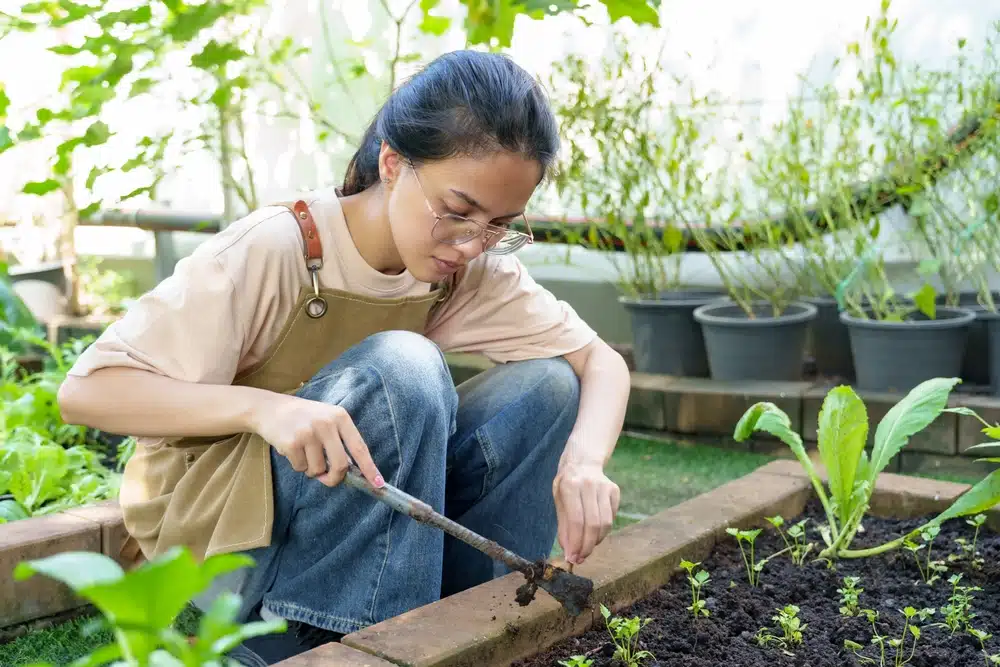
To get the most out of your efforts, it’s important to use the right techniques. Here are some practical manual weed removal tips to save your back and improve your results:
1. Weed When the Soil Is Moist
Pulling weeds after a rain or watering session makes it much easier to remove the entire root system. Dry soil can cause roots to break, allowing weeds to regrow quickly.
2. Remove Weeds Early and Often
Young weeds are easier to pull and haven’t had a chance to set seeds. Regularly inspect your beds and act quickly to prevent weeds from spreading.
3. Use Proper Body Mechanics
Protect your back by bending at the knees, not the waist, and keeping your core engaged. Alternate between kneeling, sitting, and standing to avoid fatigue. Using a garden stool or kneeling pad can help reduce strain during longer sessions.
4. Target the Roots
Many weeds, such as dandelions and thistles, will regrow if even a small piece of root is left behind. Use a trowel or fork to loosen the soil and extract the entire root whenever possible.
5. Dispose of Weeds Properly
Don’t leave pulled weeds on the soil surface, especially if they have seeds or can re-root. Compost only those weeds that haven’t gone to seed, or dispose of them in yard waste bins.
How Raised Beds and Mulch Help Reduce Weeding
One of the most effective ways to cut down on weeding is to design your garden for minimal weed growth. Raised beds and mulch are two strategies that work well together:
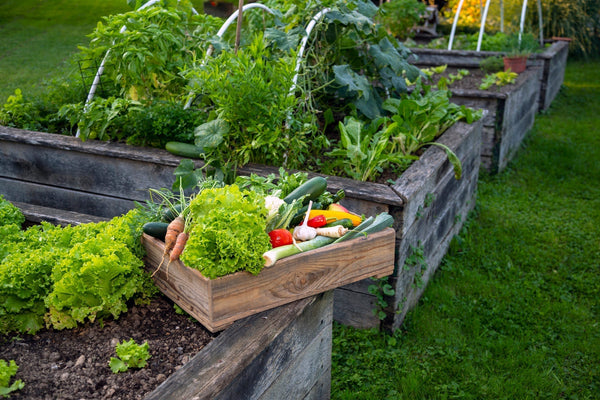
- Raised beds: By elevating your planting area and using clean, weed-free soil, you limit the number of weed seeds that can invade your crops. Raised beds also make it easier to reach and remove weeds without bending as much.
- Mulch: Applying a thick layer of organic mulch (such as straw, wood chips, or compost) blocks sunlight, making it harder for weed seeds to germinate. Mulch also helps retain soil moisture and improve soil health over time.
For more on this approach, see this beginner’s guide to creating a vegetable garden that covers layout, soil, and weed prevention basics.
Timing and Frequency: When to Weed for Best Results
Weeding is most effective when done at the right time. Here’s how to plan your routine:
- Early spring: Remove weeds before planting to give your crops a head start.
- After rain: Take advantage of moist soil for easier pulling.
- Weekly checks: A quick walk-through each week helps you spot and remove new weeds before they become a problem.
- Before weeds flower: Prevent weeds from setting seed by pulling them before they bloom.
Consistency is key. Even a few minutes each week can prevent a major weed outbreak later in the season.
Integrating Manual Weed Control with Other Garden Practices
Combining hand weeding with other natural approaches can further reduce your workload and boost garden health. For example, companion planting and dense spacing can shade out weeds, while maintaining rich, healthy soil helps your crops outcompete unwanted plants. Discover more natural ways to improve plant growth to support a vigorous, weed-resistant garden.
For those managing larger spaces, rotating crops and using cover crops between seasons can also help suppress weeds and enrich the soil.
Common Mistakes to Avoid When Removing Weeds by Hand
Even experienced gardeners can fall into habits that make weeding less effective. Here are some pitfalls to watch out for:
- Letting weeds go to seed: One mature weed can produce thousands of seeds, leading to more work next year.
- Ignoring perennial weeds: Deep-rooted perennials like bindweed and thistle require extra attention to remove all root fragments.
- Disturbing the soil too much: Excessive digging can bring buried weed seeds to the surface, encouraging new growth.
- Not mulching after weeding: Leaving bare soil invites new weeds to sprout. Always cover freshly weeded areas with mulch.
FAQ: Manual Weed Removal and Garden Care
What is the best time of day to pull weeds?
The ideal time is in the morning after a rain or watering, when the soil is moist and roots come out easily. Avoid weeding during the heat of the day to reduce stress on both you and your plants.
Can I compost weeds after pulling them?
You can compost weeds that haven’t set seed or developed persistent roots. Avoid composting invasive species or weeds with mature seeds, as they may survive and spread when you use the compost later.
How can I reduce the need for frequent weeding?
Use mulch, raised beds, and dense planting to block sunlight and prevent weed seeds from germinating. Regularly check your garden and remove weeds while they’re small to keep maintenance manageable. For more strategies, explore this article on how to control weeds in garden for both prevention and removal tips.
Are there any plants that help suppress weeds naturally?
Yes, ground covers and certain companion plants can shade out weeds and compete for resources. Consider using low-growing herbs, clover, or living mulches to fill gaps and reduce weed pressure.
With the right approach and a few simple tools, you can keep your garden healthy and minimize back strain. Consistent, mindful weeding—combined with smart garden design—will help you enjoy a productive, beautiful space all season long.