Adopting green living off-grid is about more than just disconnecting from the power grid—it’s a commitment to sustainability, self-reliance, and mindful resource use. Whether you’re new to this lifestyle or looking to refine your daily routines, small, consistent actions can make a significant difference. This article explores practical ways to live more sustainably each day, from energy conservation to food production and waste reduction.
For those interested in maximizing their garden’s productivity, learning how to grow onions from bulbs can be a valuable addition to your homestead skills. Integrating such techniques early on supports a more resilient and eco-friendly lifestyle.
Building a Sustainable Off-Grid Home
Creating a home that supports green living off-grid starts with thoughtful design and resource planning. Choose natural or recycled building materials when possible, and prioritize insulation to minimize heating and cooling needs. Solar panels, wind turbines, and micro-hydro systems are popular choices for renewable energy. Rainwater harvesting and greywater recycling can help reduce water consumption and reliance on municipal systems.
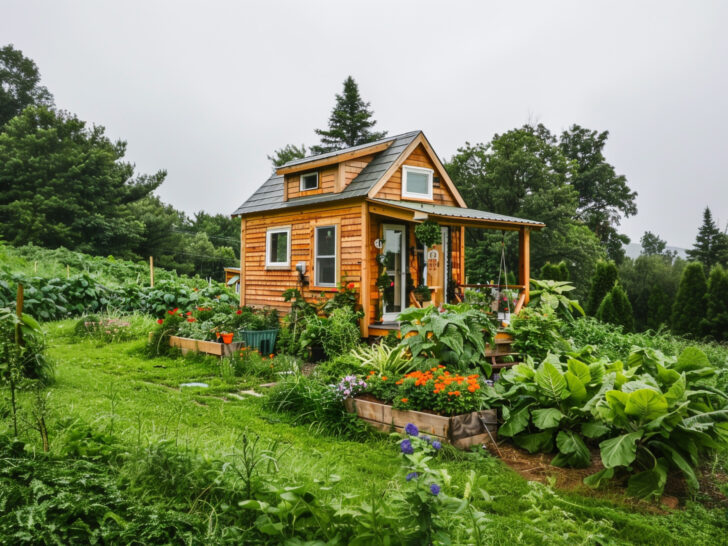
For those with limited space, consider reading about how to grow vegetables in small spaces to make the most of your available land. Even tiny homes can support productive gardens and efficient energy systems.
Daily Energy Conservation Habits
Living sustainably off the grid means making conscious choices about energy use every day. Turn off lights and appliances when not in use, and opt for energy-efficient LED bulbs and low-wattage devices. Cooking with wood stoves or solar ovens reduces reliance on electricity or propane. Regularly monitor your battery bank and energy systems to avoid unnecessary drain and extend their lifespan.
Simple changes, such as air-drying clothes or using manual tools, can further reduce your energy footprint. These habits not only help conserve resources but also lower maintenance costs and extend the life of your off-grid systems.
Growing Your Own Food and Managing Waste
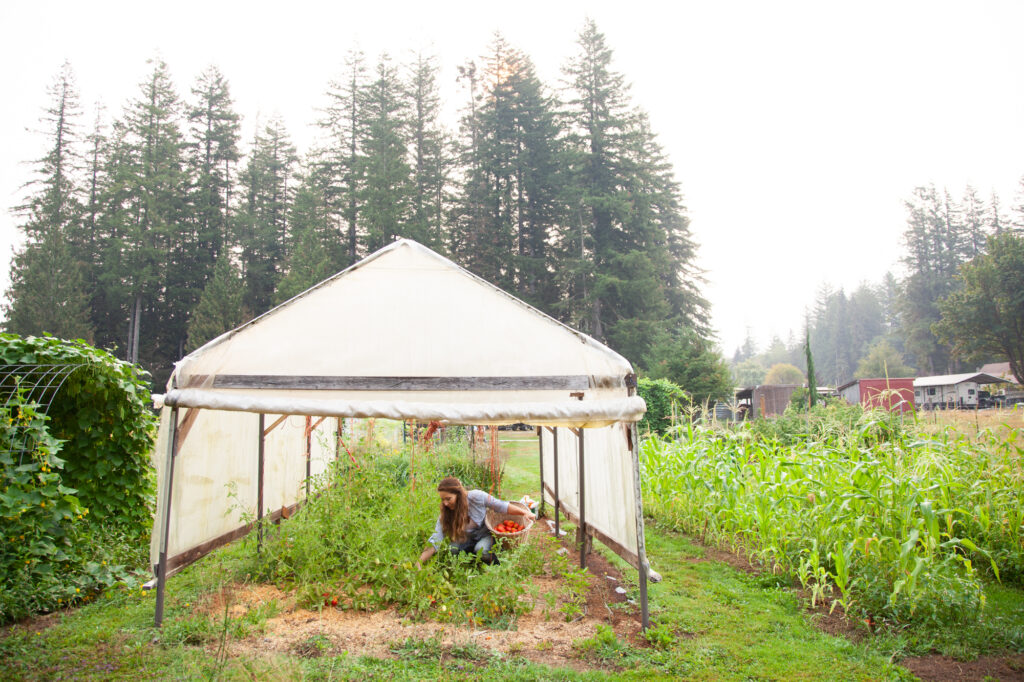
Producing your own food is a cornerstone of green living off-grid. Start with easy crops and gradually expand your garden. Composting kitchen scraps and yard waste creates nutrient-rich soil, reducing the need for synthetic fertilizers. Raising chickens or other small livestock provides eggs and meat while contributing to a closed-loop system by recycling food waste.
For those just starting out, check out the best vegetables to grow at home for fresh produce. This approach ensures a steady supply of healthy food and minimizes trips to the store.
Water Conservation and Management
Water is a precious resource when living off the grid. Install rainwater catchment systems and use barrels or cisterns to store water for household and garden use. Practice mindful water usage by taking shorter showers, fixing leaks promptly, and using low-flow fixtures. Greywater from sinks and showers can be filtered and reused for irrigation, further reducing your environmental impact.
Mulching garden beds and planting drought-tolerant crops help retain soil moisture and reduce the need for frequent watering. For more tips on timing your planting to make the most of seasonal rainfall, see advice on when to plant vegetables in spring.
Reducing Waste and Reusing Materials
Minimizing waste is fundamental to a sustainable lifestyle. Reuse glass jars, containers, and building materials whenever possible. Repair clothing, tools, and equipment rather than replacing them. Composting not only diverts organic waste from landfills but also enriches your soil. For non-compostable items, recycle according to local guidelines or repurpose them creatively around your homestead.
By embracing a mindset of resourcefulness, you reduce your environmental footprint and save money in the long run. These habits also foster a deeper connection to your environment and the resources you depend on.
Essential Tools and Resources for Off-Grid Success
Having the right tools can make daily life off the grid smoother and more efficient. Basic hand tools, gardening implements, and food preservation equipment are must-haves. Solar-powered chargers, battery banks, and efficient cooking appliances help maintain comfort and convenience. For a comprehensive overview of what you might need, consult this off-grid living essentials guide for detailed recommendations.
As you gain experience, you’ll discover which tools and systems work best for your unique situation. Start simple and upgrade as your needs evolve.
Community and Sharing Knowledge
While off-grid living often emphasizes independence, building connections with others who share your values can be invaluable. Exchange seeds, resources, and advice with neighbors or online communities. Sharing successes and challenges helps everyone learn and grow. Consider documenting your journey to inspire others and contribute to the broader movement toward sustainable living.
For those beginning their gardening journey, exploring easy vegetables for beginners to grow can be a supportive first step. Learning together strengthens both skills and community bonds.
Frequently Asked Questions
What are the first steps to start living off the grid sustainably?
Begin by assessing your current resource use and identifying areas where you can reduce consumption. Invest in renewable energy sources, set up rainwater collection, and start a small garden. Gradually adopt more sustainable habits as you gain confidence and experience.
How can I grow food if I have limited space?
Container gardening, vertical planters, and raised beds are excellent options for small spaces. Focus on high-yield crops and use companion planting techniques to maximize productivity. For more ideas, see our guide on growing vegetables in small spaces.
Is it expensive to transition to an off-grid lifestyle?
Initial setup costs can be significant, especially for renewable energy systems and water infrastructure. However, ongoing expenses are often lower due to reduced utility bills and self-produced food. Many people start small and expand their systems over time to spread out costs.