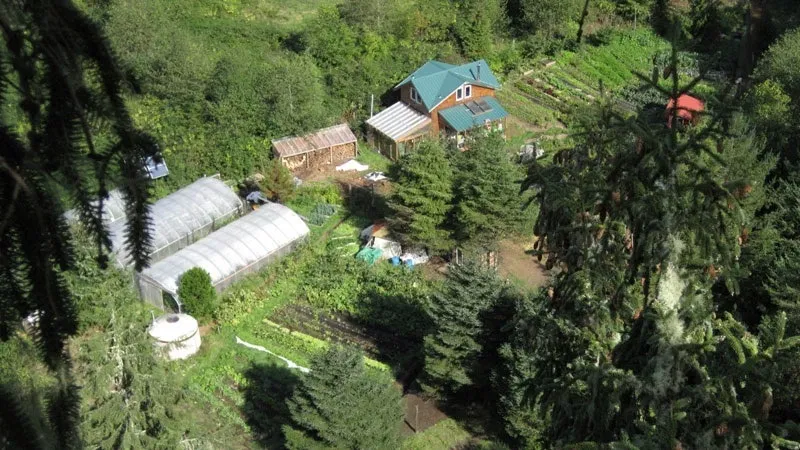
Adopting a zero waste off-grid lifestyle is an empowering way to reduce your environmental impact, gain independence, and create a more sustainable home. This approach combines two powerful movements: living off the land without reliance on public utilities, and minimizing waste in every aspect of daily life. Whether you’re just starting out or looking to refine your existing setup, this guide covers practical steps, essential systems, and real-world strategies for success.
Many people are drawn to this lifestyle for its environmental benefits, cost savings, and the satisfaction of self-sufficiency. By focusing on resourcefulness, thoughtful planning, and community knowledge, you can create a homestead that produces little to no waste while meeting all your basic needs. If you’re interested in growing your own food, you might also find tips in our guide on how to grow onions from bulbs especially helpful for beginners.
Foundations of a Waste-Free, Off-Grid Homestead
Building a sustainable homestead starts with understanding the core principles of both off-grid living and zero waste practices. Off-grid means operating independently from municipal water, electricity, and waste systems. Zero waste focuses on reducing landfill contributions by reusing, recycling, composting, and making mindful purchasing decisions.
Key elements include:
- Renewable energy sources such as solar, wind, or micro-hydro power
- Water collection and conservation systems
- Composting toilets and natural waste management
- Growing and preserving your own food
- Reusing materials and minimizing single-use products
For those interested in building an off-grid homestead from the ground up, resources like Mother Earth News’ guide to building an off-grid homestead provide valuable step-by-step insights.
Energy Independence and Minimal Waste
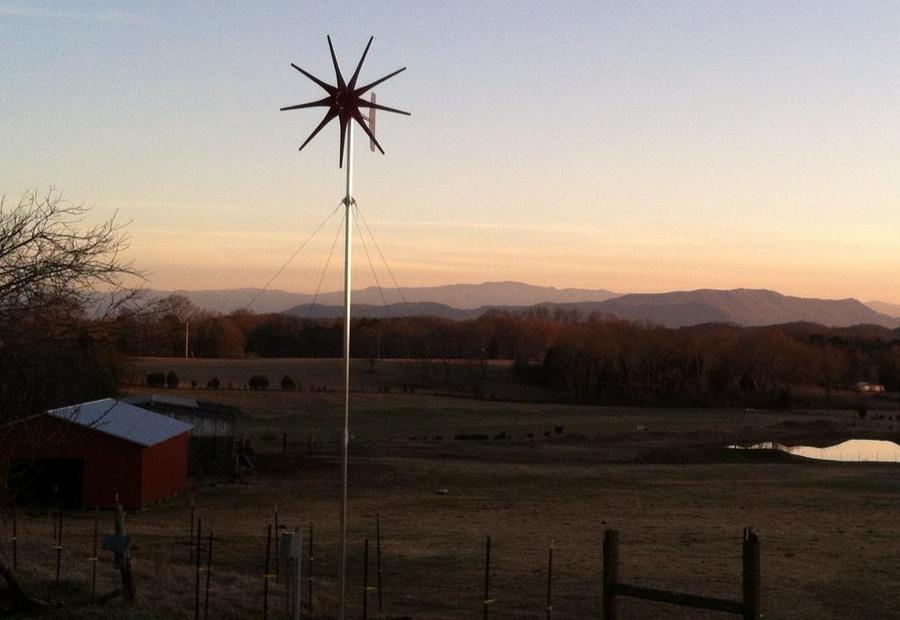
One of the first steps toward a zero waste off-grid lifestyle is establishing reliable, renewable energy systems. Solar panels are the most common choice, but wind turbines and micro-hydro setups can also be effective depending on your location. The goal is to generate enough electricity for your needs while avoiding fossil fuels and unnecessary consumption.
To minimize waste, choose energy-efficient appliances, LED lighting, and manual tools whenever possible. Consider:
- Using rechargeable batteries and solar chargers
- Opting for low-tech solutions, like hand-crank kitchen tools
- Insulating your home to reduce heating and cooling needs
By designing your energy system to match your actual usage, you reduce the need for excess storage and avoid overbuilding, which can lead to unnecessary waste and expense.
Water Collection, Conservation, and Reuse
Water is a precious resource, especially when living off-grid. Rainwater harvesting is a popular method for collecting water, which can be filtered for drinking or used for irrigation and cleaning. Greywater systems allow you to reuse water from sinks, showers, and laundry for watering plants or flushing toilets.
To further reduce waste:
- Install low-flow fixtures and composting toilets
- Mulch garden beds to retain soil moisture
- Choose native, drought-tolerant plants to minimize irrigation needs
Every drop saved reduces your reliance on outside sources and helps maintain a closed-loop system on your property.
Zero Waste Food Production and Preservation
Growing your own food is central to a sustainable, low-impact lifestyle. Start with crops that thrive in your climate and require minimal inputs. Compost all organic scraps to enrich your soil and close the nutrient cycle. If you’re new to gardening in limited spaces, our article on how to grow vegetables in small spaces offers practical advice for maximizing yields.
To further reduce packaging and food waste:
- Preserve harvests by canning, fermenting, or dehydrating
- Use reusable containers and cloth bags for storage
- Raise chickens or other livestock for eggs and manure, integrating them into your waste management system
Plan your meals around what is in season and available from your land to minimize reliance on store-bought goods and their associated packaging.
Waste Management and Circular Systems
Managing waste responsibly is a cornerstone of sustainable living. Composting toilets, worm bins, and traditional compost piles transform organic matter into valuable fertilizer. Recycle glass, metal, and plastics where possible, but aim to avoid bringing these materials onto your property in the first place.
Strategies for reducing landfill contributions include:
- Repairing and repurposing items instead of discarding them
- Buying in bulk to reduce packaging
- Swapping or sharing tools and equipment with neighbors
By designing your homestead as a circular system, you can keep resources in use for as long as possible and minimize your environmental footprint.
Building and Maintaining an Eco-Friendly Home
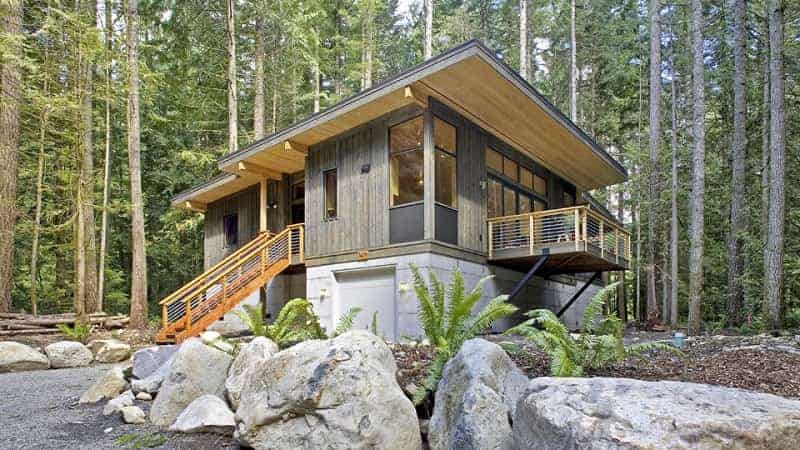
Construction and maintenance choices have a significant impact on your overall sustainability. Use reclaimed or natural materials whenever possible. Straw bale, cob, and earthbag construction are popular options for off-grid homes, offering excellent insulation and a low embodied energy footprint.
For ongoing maintenance:
- Choose non-toxic paints and finishes
- Install energy-efficient windows and doors
- Harvest rainwater from rooftops
Regularly inspect your systems to catch leaks, drafts, or inefficiencies early. This proactive approach saves resources and reduces the need for costly repairs.
Community, Sharing, and Resilience
While self-sufficiency is a key goal, building connections with neighbors and local networks strengthens your resilience. Share surplus produce, trade skills, and collaborate on larger projects. Community-supported agriculture, tool libraries, and seed swaps are excellent ways to reduce waste and support one another.
Learning from others who are also living off-grid or pursuing zero waste goals can help you avoid common pitfalls and discover new solutions. Consider joining online forums or local groups to exchange ideas and resources.
Frequently Asked Questions
What are the biggest challenges of a zero waste off-grid lifestyle?
Common challenges include sourcing sustainable building materials, managing water and waste systems, and maintaining energy independence throughout the year. Planning ahead and connecting with experienced homesteaders can help you overcome these obstacles.
How can I start reducing waste if I’m not fully off-grid yet?
Begin by composting food scraps, reducing single-use plastics, and choosing reusable products. Grow some of your own food, even if it’s just herbs or vegetables in containers. Gradually add more sustainable systems as your skills and resources grow.
Is it possible to raise animals sustainably in a zero waste off-grid setup?
Yes, integrating animals like chickens or goats can enhance your homestead’s sustainability. Use their manure for compost, provide them with food scraps, and ensure their housing is built from reclaimed or natural materials to minimize waste.
Conclusion
Embracing a zero waste off-grid lifestyle is a journey that requires intention, creativity, and adaptability. By focusing on renewable energy, efficient water use, local food production, and mindful consumption, you can create a homestead that is both resilient and environmentally responsible. For more inspiration on what to grow, check out our tips on the best vegetables to grow at home and discover easy options for beginners in our guide to easy vegetables for beginners to grow. Every step you take brings you closer to a more sustainable, waste-free way of living.