Urban and suburban gardeners are increasingly turning to small-space solar power for gardening as a practical way to make the most of limited outdoor areas. Whether you’re growing herbs on a balcony, maintaining raised beds in a compact yard, or nurturing vegetables in containers, harnessing solar energy can provide sustainable solutions for lighting, irrigation, and more. This guide explores how to integrate solar technology into your gardening setup, helping you create a more efficient and eco-friendly green space.
For those just starting out or looking to expand their gardening knowledge, resources like how to grow vegetables in small spaces offer valuable insights into maximizing yields and making the most of every square foot. Combining these strategies with solar solutions can transform even the smallest plots into productive, low-maintenance gardens.
Why Choose Solar Power for Compact Gardens?
Solar energy offers a clean, renewable way to power essential gardening tools and systems, especially in areas where access to conventional electricity is limited or costly. For those working with balconies, patios, or small backyard plots, solar-powered devices can help automate watering, provide supplemental lighting, and even power small fans or sensors. This not only reduces your carbon footprint but also lowers ongoing energy costs.
Solar solutions are particularly well-suited to small spaces because they are modular and easy to install. Many products are designed for DIY setup, requiring minimal wiring or technical expertise. As a result, gardeners can start small—perhaps with a solar-powered irrigation timer or a set of LED grow lights—and expand their system as their needs grow.
Key Solar-Powered Solutions for Small Gardens
Integrating solar power for gardening in limited spaces can be as simple or advanced as you like. Here are some of the most popular and effective options:
- Solar-Powered Irrigation: Drip irrigation kits with solar timers can automate watering, ensuring plants receive consistent moisture without manual effort.
- LED Grow Lights: Solar-charged LED lights extend daylight hours for indoor or shaded gardens, supporting healthy plant growth year-round.
- Solar Water Pumps: Compact pumps powered by the sun are ideal for small ponds, hydroponic setups, or decorative water features.
- Garden Lighting: Pathway and accent lights improve safety and ambiance, making evening gardening more enjoyable.
- Environmental Sensors: Solar-powered temperature, humidity, and soil moisture sensors help you monitor growing conditions without running wires or replacing batteries.
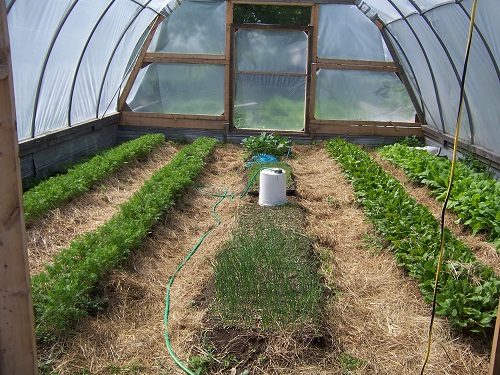
Setting Up Solar-Powered Irrigation in Tight Spaces
Efficient watering is crucial in small gardens, where over- or under-watering can quickly impact plant health. Solar-powered irrigation systems are an excellent way to automate this process. These kits typically include a small solar panel, a water pump or valve, and a timer. The panel charges during the day, powering the system to deliver water at set intervals.
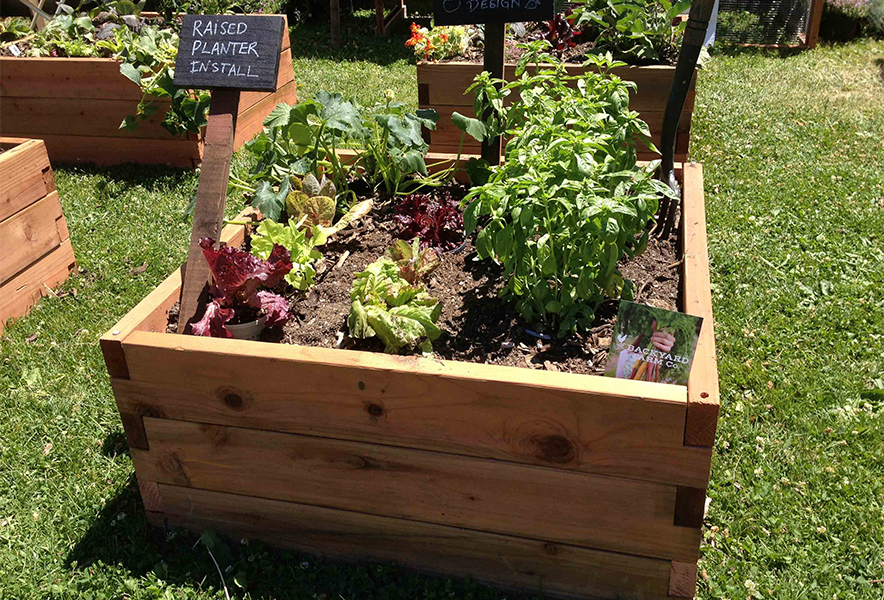
For container gardens or raised beds, drip irrigation lines can be run directly to each plant, minimizing waste and ensuring even coverage. Many solar irrigation kits are expandable, allowing you to add more lines or adjust the schedule as your garden evolves. This approach is especially helpful for busy gardeners or those who travel frequently, as it keeps plants hydrated without daily attention.
Maximizing Light with Solar-Powered LEDs
Sunlight is often limited in urban environments due to buildings, fences, or trees. Solar-powered LED grow lights offer a practical solution by supplementing natural light, helping plants thrive even in shaded or indoor locations. These lights are charged by a small solar panel placed in a sunny spot, and can be positioned over seedlings, herbs, or leafy greens.
When choosing a solar LED system, look for adjustable brightness and spectrum settings to match the needs of different plant types. Some models include timers or sensors that automatically turn the lights on at dusk or when sunlight drops below a certain threshold. This flexibility makes it easier to maintain healthy growth throughout the year, regardless of outdoor conditions.
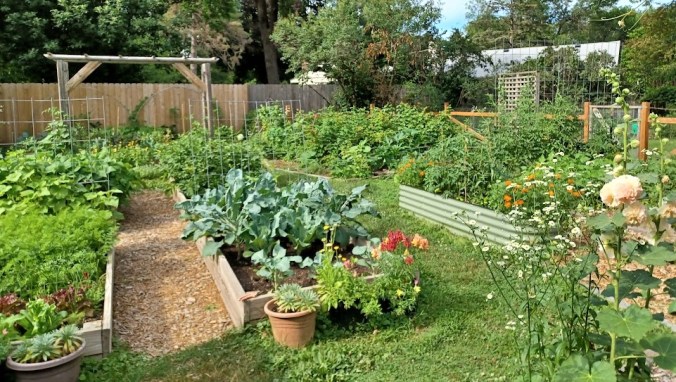
Choosing the Right Solar Gear for Your Garden
When selecting solar-powered equipment for your gardening needs, consider the following factors:
- Space Availability: Measure your available area to ensure solar panels and devices will fit without crowding plants.
- Sun Exposure: Place panels where they’ll receive the most direct sunlight, ideally south-facing and unobstructed by shade.
- Power Requirements: Match the output of your solar system to the devices you intend to run. Most small-space solutions are low voltage and energy efficient.
- Ease of Installation: Choose plug-and-play kits for quick setup, especially if you’re new to solar technology.
- Expandability: Opt for systems that allow you to add more panels or devices as your garden grows.
For more ideas on what to grow in limited areas, check out the best vegetables to grow at home for fresh produce and inspiration.
Benefits of Solar-Powered Gardening in Urban and Suburban Spaces
Adopting solar power for small gardening spaces provides several notable advantages:
- Reduced Utility Bills: Solar devices operate independently of the grid, lowering your monthly energy costs.
- Eco-Friendly: Using renewable energy decreases your carbon footprint and supports sustainable living.
- Low Maintenance: Most solar-powered systems require minimal upkeep once installed.
- Increased Self-Sufficiency: Solar technology empowers gardeners to maintain productive plots even in areas with unreliable or expensive electricity.
- Versatility: Solar products are available for a wide range of gardening tasks, from watering to lighting and monitoring.
For those interested in the broader history and context of self-sufficient living, resources like the history of homesteading provide fascinating background on how people have adapted to make the most of their land and resources.
Tips for Getting Started with Solar in Your Garden
Starting small is often the best approach. Begin with a single solar-powered device, such as a drip irrigation timer or a set of garden lights. Monitor its performance and make adjustments as needed. Over time, you can add more components, such as environmental sensors or additional lighting, to further automate and enhance your gardening experience.
Remember to regularly clean solar panels to maximize efficiency, and check connections to ensure everything is working properly. If you’re growing in containers or raised beds, consider using products like fabric grow bags or galvanized gardening containers for better drainage and root health.
For more step-by-step advice, especially if you’re new to gardening, explore guides on easy vegetables for beginners to grow and how to grow onions from bulbs for practical tips and crop suggestions.
Frequently Asked Questions
Can solar power run all my small garden devices?
Most low-voltage devices such as irrigation timers, small pumps, and LED lights can be powered by compact solar panels. For higher-demand equipment, you may need larger panels or a battery storage system. Always check the power requirements of your devices before purchasing solar gear.
How do I maintain solar panels in a garden setting?
Keep panels clean and free from debris to ensure maximum sunlight absorption. Wipe them down with a damp cloth every few weeks, and check for any shading from growing plants or nearby structures. Proper maintenance helps maintain efficiency year-round.
Is solar-powered gardening cost-effective?
While the initial investment in solar equipment can be higher than traditional options, the long-term savings on electricity and water bills often offset the upfront cost. Additionally, solar devices typically require less maintenance and have a longer lifespan, making them a smart choice for sustainable gardening.