Creating your own greenhouse doesn’t have to be expensive or complicated. With a bit of planning and some basic materials, you can set up a compact, efficient structure that extends your growing season and protects your plants from unpredictable weather. This guide covers practical, low-cost strategies for how to build a small greenhouse at home, including material choices, step-by-step instructions, and tips for maximizing your investment.
Whether you’re a beginner or looking to upgrade your gardening setup, a personal greenhouse offers a controlled environment for seedlings, vegetables, and even exotic plants. If you’re just starting out, you might also find value in this resource on greenhouse gardening for beginners, which provides foundational advice for new growers.
Why Build Your Own Greenhouse?
Constructing a greenhouse yourself offers several advantages. First, it allows you to customize the size and layout to fit your available space and gardening goals. Second, DIY solutions are usually more affordable than pre-fabricated kits. Finally, building it yourself means you can select materials that suit your climate and budget.
Small greenhouses are perfect for urban gardens, patios, or backyards with limited space. They’re also easier to maintain and heat, making them ideal for hobbyists and those new to greenhouse gardening.
Choosing the Right Location and Size
Before gathering materials, decide where your greenhouse will go. The ideal spot receives at least six hours of sunlight per day and is sheltered from strong winds. South-facing locations are best in most regions. Make sure the ground is level and has good drainage.
For most home gardeners, a structure between 6×8 and 8×10 feet is sufficient. This size accommodates starter trays, a few raised beds, and storage for tools or supplies. If you want to start even smaller, consider a mini greenhouse or cold frame for seedlings and herbs.
Budget-Friendly Materials for a DIY Greenhouse
One of the keys to building a small greenhouse on a budget is using affordable, readily available materials. Here are some popular options:
- PVC Pipe: Lightweight, flexible, and inexpensive. Great for hoop-style frames.
- Wood: Pressure-treated lumber or reclaimed pallets can form sturdy frames for rectangular greenhouses.
- Plastic Sheeting: UV-resistant polyethylene is commonly used for covering. Look for at least 6 mil thickness for durability.
- Old Windows or Doors: Salvaged glass can be repurposed for a more permanent structure.
- Metal Conduit: Galvanized steel or aluminum pipes offer extra strength for larger or wind-prone areas.
Step-by-Step: Building a Simple Hoop House
One of the most popular and affordable designs for a compact greenhouse is the hoop house. Here’s a straightforward approach to constructing one using PVC pipe and plastic sheeting:
- Prepare the Base: Mark out your greenhouse footprint. Use wood boards or bricks to create a simple perimeter frame on the ground.
- Install Supports: Insert rebar stakes into the ground at intervals along both long sides of your frame. Slide PVC pipes over the rebar and bend them to form hoops, connecting each side.
- Secure the Frame: Use additional PVC pipes or wooden boards along the top and sides to stabilize the hoops.
- Attach the Covering: Drape UV-resistant plastic sheeting over the hoops. Secure it with clips, clamps, or staples. Make sure the plastic is taut to prevent sagging or tearing.
- Add Doors and Vents: Cut slits or install zippered panels at each end for access and ventilation. Good airflow helps control temperature and humidity.
This basic structure can be assembled in a weekend and adapted to fit your available space. For more permanent or weather-resistant options, consider using a wooden or metal frame and polycarbonate panels.
Tips for Maximizing Your Greenhouse Investment
Once your greenhouse is up, a few simple strategies can help you get the most out of it:
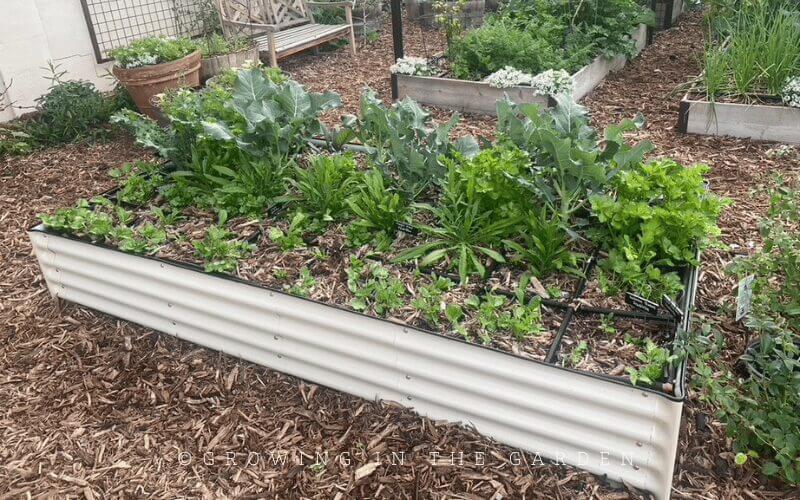
- Use Raised Beds or Planter Boxes: These improve drainage and make it easier to manage soil quality. Raised beds also help keep pests at bay.
- Monitor Soil Moisture: Consistent watering is crucial for greenhouse plants. A soil moisture meter can help prevent over- or under-watering.
- Rotate Crops: Changing what you grow in each area reduces disease risk and improves soil health. Learn more about common vegetable plant diseases and how to prevent them.
- Ventilate Regularly: Open doors or vents on warm days to prevent overheating and reduce humidity.
- Start with Easy Crops: If you’re new to greenhouse gardening, begin with hardy vegetables and herbs. For more ideas, check out this list of easy crops for beginners and how to grow them.
Common Mistakes to Avoid When Building a Compact Greenhouse
Even a simple project can run into problems if you overlook a few key details. Here are some pitfalls to watch out for:
- Poor Site Selection: Avoid shaded or low-lying areas that collect water. Sunlight and drainage are essential.
- Weak Frame: Skimping on frame materials can lead to collapse in strong winds or heavy snow. Reinforce corners and use adequate supports.
- Insufficient Ventilation: Without airflow, heat and humidity can quickly rise, stressing plants and encouraging disease.
- Using Thin Plastic: Cheap, thin plastic tears easily and may not last a full season. Invest in UV-resistant sheeting for better durability.
- Neglecting Pest Control: Greenhouses can harbor pests if not monitored. Inspect regularly and use screens or traps as needed.
Maintaining Your DIY Greenhouse
Regular upkeep ensures your greenhouse remains productive year-round. Sweep out debris, check for tears or loose fittings, and clean the plastic or glass to maximize light transmission. Monitor for mold or algae, especially in damp corners. During winter, brush off snow and ice to prevent damage.
For those interested in seed selection, understanding the difference between heirloom vs hybrid seeds can help you choose the best varieties for greenhouse growing.
FAQ
What is the cheapest way to build a small greenhouse?
Using PVC pipes for the frame and UV-resistant plastic sheeting for the cover is one of the most affordable methods. Reclaimed wood or old windows can also be used for a sturdier, low-cost structure. Focus on materials you already have or can source locally to save money.
How do I keep my greenhouse warm in winter?
Insulate with double layers of plastic, seal gaps, and use water barrels or thermal mass to store heat. On very cold nights, portable heaters or heat mats can help protect sensitive plants. Always ensure proper ventilation to prevent condensation and mold.
What can I grow in a small greenhouse?
You can grow a wide range of crops, including salad greens, herbs, tomatoes, peppers, and even some fruits. Many gardeners use their greenhouse to start seedlings early or extend the harvest season into fall and winter. For more guidance, see tips on how to identify plant diseases and keep your crops healthy.
How long does it take to build a DIY greenhouse?
Most simple hoop house or pallet designs can be completed in a day or two, depending on your experience and available help. More complex or permanent structures may take a weekend or longer.
Do I need a permit to build a greenhouse?
Regulations vary by location. For small, temporary structures, permits are rarely required, but it’s always best to check with your local building authority before starting your project.
Building a compact greenhouse is a rewarding project that can transform your gardening experience. With the right materials and a bit of planning, you’ll enjoy fresh produce and healthy plants throughout the year.