Living off the grid no longer means sacrificing comfort or convenience. Thanks to advances in smart tech for off-grid homes, it’s now possible to enjoy modern amenities while maintaining energy independence. From intelligent energy management to automated systems for water, food, and security, these innovations are transforming how people approach sustainable living.
This article explores the essential technologies that make off-grid living more efficient, comfortable, and secure. We’ll look at practical solutions for power, water, food production, and home management, and offer tips for integrating these tools into your homestead. If you’re interested in a deeper dive into the lifestyle, you may also want to read about modern off-grid homesteading for further inspiration.

Key Energy Solutions for Off-Grid Living
At the heart of any off-grid setup is a reliable source of power. Smart tech for off-grid homes has revolutionized how energy is generated, stored, and used. Solar panels, wind turbines, and micro-hydro systems are now paired with intelligent inverters and battery management systems. These devices monitor energy production and consumption in real time, helping homeowners optimize usage and extend battery life.
- Solar charge controllers with Bluetooth or Wi-Fi connectivity allow you to track performance from your phone.
- Smart inverters automatically switch between energy sources and manage loads to prevent outages.
- Battery monitoring systems send alerts if storage levels drop or maintenance is needed.
Integrating these technologies ensures you get the most out of your renewable energy setup, reducing waste and avoiding unexpected power shortages.
Water Management and Conservation Tools
Water is another critical resource for those living off-grid. Modern solutions make it easier to collect, purify, and distribute water efficiently. Smart pumps and filtration systems can be programmed to operate only when needed, conserving both water and energy.
- Remote-controlled well pumps let you monitor water levels and usage from anywhere.
- Leak detection sensors send instant notifications if a pipe bursts or a tank overflows.
- Automated irrigation systems use soil moisture sensors to water gardens only when necessary, saving both water and effort.
By implementing these tools, off-grid homeowners can ensure a steady and safe water supply, even in remote locations.
Food Production and Automation for Homesteads
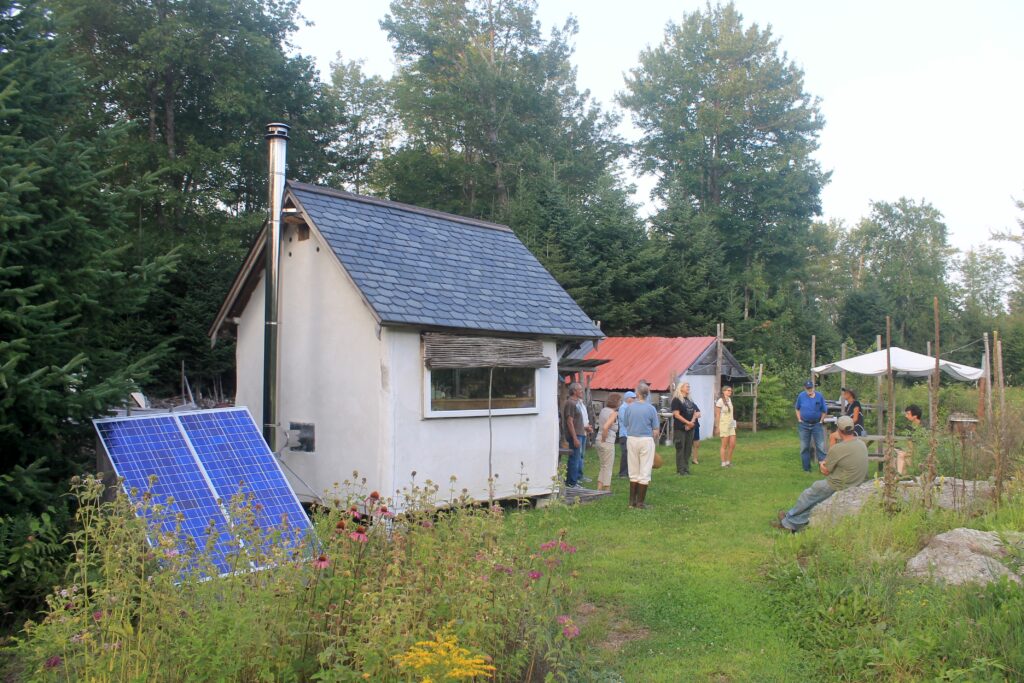
Growing your own food is a cornerstone of independent living. Today’s technology offers a range of tools to make gardening, animal care, and food preservation more manageable. Automated greenhouses, smart chicken coops, and app-controlled irrigation systems are just a few examples.
- Climate-controlled greenhouses use sensors to adjust temperature, humidity, and ventilation automatically.
- Smart chicken coops feature automatic doors, feeders, and waterers, all programmable from a mobile device.
- Remote garden monitoring lets you check soil conditions and plant health, even when you’re away from home.
These innovations help maximize yields and reduce manual labor, freeing up time for other homestead projects. For more insights on the realities of living off the grid, see our article on off-grid living with family.
Home Automation and Security in Remote Locations
Managing a property far from town presents unique challenges, especially when it comes to safety and convenience. Smart home systems designed for off-grid environments offer robust solutions. These include remote surveillance cameras, motion-activated lighting, and automated locks that operate independently of the grid.
- Wireless security cameras powered by solar or battery can stream live video to your phone.
- Smart locks and entry sensors provide peace of mind and can be managed remotely.
- Home automation hubs allow you to control lighting, appliances, and climate settings with a single app.
These systems not only protect your property but also make daily life easier, especially during travel or emergencies. If you’re considering making the transition, our resource on transitioning to off-grid life can help you plan for a smooth move.
Integrating Smart Tech for Maximum Efficiency
The real power of smart tech for off-grid homes comes from integration. By connecting energy, water, food, and security systems, you create a resilient and responsive homestead. Many devices now support open standards, making it easier to build a custom solution that fits your needs.
- Start with a central hub or app that can communicate with all your devices.
- Prioritize automation for repetitive or time-sensitive tasks, like watering or battery checks.
- Monitor system performance regularly and adjust settings as your needs change.
For those new to this lifestyle, it’s important to understand both the benefits and the challenges. The article on challenges of off-grid living provides practical advice for overcoming common obstacles.
If you want a broader perspective, this guide to off-grid homesteading essentials covers what you should know before making the leap.
Common Myths and Misconceptions
There are many myths about living off the grid, especially regarding the complexity or reliability of smart systems. Some believe that technology is too fragile for remote locations, or that it requires constant maintenance. In reality, most modern devices are designed for rugged use and can operate for years with minimal intervention.
For a closer look at these misunderstandings, see our article on off-grid homesteading myths. Understanding the truth about smart technology can help you make informed decisions and avoid unnecessary expenses.
Frequently Asked Questions
What are the most important smart technologies for off-grid homes?
The most impactful systems include smart energy management (solar inverters, battery monitors), water conservation tools (automated pumps, leak detectors), and automation for food production (climate-controlled greenhouses, smart coops). Security and home automation hubs also play a key role in making life easier and safer.
Can smart home devices work without a constant internet connection?
Many devices designed for off-grid living operate locally and do not require a continuous internet connection. They often use Bluetooth, Zigbee, or Z-Wave for communication. However, some features, like remote monitoring or alerts, may need occasional internet or cellular data access.
How do I choose the right smart tech for my homestead?
Start by assessing your needs for power, water, food, and security. Look for devices that are compatible with each other and can be monitored or controlled from a central hub. Prioritize reliability, ease of use, and support for off-grid power sources like solar or battery.