Building a thriving homestead isn’t just about growing food or raising animals—it’s about creating a lifestyle that’s both resilient and financially viable for years to come. Sustainable homestead budgeting is the foundation for making smart decisions, managing resources, and ensuring your efforts lead to lasting rewards. Whether you’re just starting out or looking to refine your approach, understanding how to balance costs, investments, and savings is essential for any self-reliant household.
By planning ahead and tracking expenses, homesteaders can avoid common pitfalls and make the most of every dollar. This guide explores practical steps for setting up a budget, prioritizing investments, and adapting to the unique challenges of rural living. For those considering the financial journey from the ground up, our resource on financing an off-grid homestead offers a detailed look at funding options and strategies.
Why a Thoughtful Budget Matters for Homesteaders
A well-structured budget is more than a spreadsheet—it’s a roadmap for achieving your goals while maintaining stability. Homesteading often involves unpredictable expenses, from equipment repairs to fluctuating feed prices. By embracing sustainable homestead budgeting practices, you can prepare for the unexpected and make informed decisions about where to allocate your resources.
Unlike urban households, rural properties may require unique investments in infrastructure, water systems, or renewable energy. Factoring in these variables early helps prevent overspending and ensures every project supports your long-term vision.
Key Elements of a Sustainable Homestead Budget
To create a budget that stands the test of time, consider these essential components:
- Start-Up Costs: Land, fencing, housing, and initial equipment are often the largest expenses. Research local prices and estimate conservatively.
- Ongoing Expenses: Seeds, animal feed, utilities, maintenance, and insurance can add up. Track these monthly to spot trends and adjust as needed.
- Income Streams: Selling produce, eggs, or handmade goods can offset costs. Include all potential revenue sources in your plan.
- Emergency Fund: Set aside a portion of your budget for repairs, medical needs, or crop failures. This buffer is crucial for resilience.
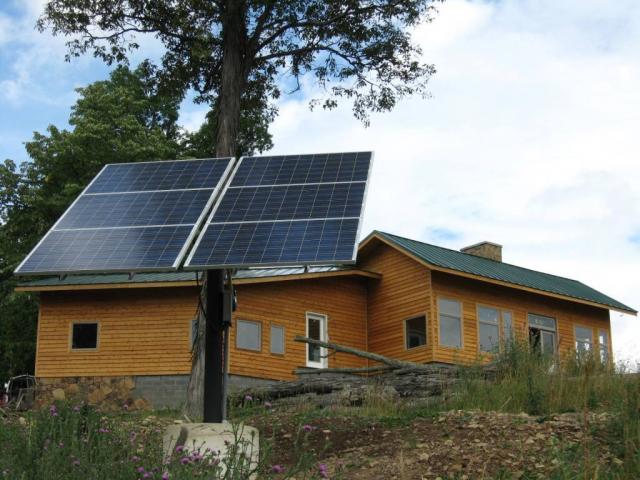
- Long-Term Investments: Solar panels, water catchment, or soil improvements may require upfront spending but can reduce costs over time.
For a detailed breakdown of typical expenses, the article on cost of off-grid homesteading provides real-world examples and insights.
Setting Realistic Goals and Tracking Progress
Effective budgeting starts with clear, achievable goals. Decide what you want to accomplish in the next year, five years, and beyond. Are you aiming for food self-sufficiency, supplemental income, or a fully off-grid lifestyle? Each goal will shape your spending priorities.
Use simple tools like spreadsheets, budgeting apps, or even a dedicated notebook to record all income and expenses. Review your numbers monthly to identify patterns, spot unnecessary spending, and celebrate milestones. Consistent tracking is key to maintaining a sustainable homestead budgeting system that adapts as your needs evolve.
Strategies for Cutting Costs Without Sacrificing Quality
Saving money doesn’t mean compromising your standards. Many homesteaders find creative ways to reduce expenses while maintaining high-quality results:
- DIY Projects: Build your own raised beds, compost bins, or animal shelters using reclaimed materials.
- Bartering and Community: Trade skills, seeds, or labor with neighbors to share resources and lower costs.
- Buy in Bulk: Purchasing feed, seeds, or supplies in larger quantities often leads to significant savings.
- Seasonal Planning: Align planting and harvesting with local climate patterns to maximize yields and minimize losses.
- Preventive Maintenance: Regularly check equipment, fencing, and structures to avoid costly repairs down the line.
For more actionable tips, see our guide on off-grid living on a budget, which covers practical ways to stretch your resources further.
Adapting to Changing Needs and Unexpected Challenges
No two years on the homestead are exactly alike. Weather, market prices, and personal circumstances can all shift rapidly. The most successful homesteaders build flexibility into their financial planning, allowing them to pivot when needed.
Regularly revisit your budget and adjust as your situation changes. If a new opportunity arises—such as selling at a local market or expanding your flock—evaluate how it fits into your overall plan. Likewise, if you encounter setbacks, use your emergency fund and reassess priorities to stay on track.
Legal, Tax, and Regulatory Considerations
Financial planning isn’t complete without considering legal and tax obligations. Homesteaders may face property taxes, zoning laws, and regulations unique to rural living. Staying informed about these requirements helps avoid unexpected costs and legal issues.
For a closer look at what to expect, our article on taxes for off-grid properties outlines common scenarios and tips for compliance. Understanding the rules in your area is a crucial part of responsible stewardship.
Learning from Other Homesteaders and Expert Resources
The journey toward financial sustainability is easier when you tap into the collective wisdom of others. Online forums, local groups, and trusted guides can offer valuable insights and support. For a comprehensive overview of independent living, the off-grid living guide from Briggs & Stratton provides expert tips on energy, water, and resource management.
Don’t hesitate to ask questions or share your experiences—community is a powerful asset for anyone pursuing a more self-sufficient lifestyle.
Frequently Asked Questions
How do I start budgeting for a new homestead?
Begin by listing all anticipated start-up costs, such as land, infrastructure, and basic equipment. Estimate ongoing monthly expenses like utilities, feed, and maintenance. Track every purchase and review your budget regularly to adjust as you learn more about your specific needs.
What are some common mistakes in homestead financial planning?
Underestimating start-up costs, neglecting to set aside an emergency fund, and failing to track small, recurring expenses are frequent pitfalls. It’s also important to research local regulations and taxes to avoid surprises.
Can I make a profit from my homestead?
Many homesteaders generate income by selling surplus produce, eggs, honey, or handmade goods. While profitability depends on scale, location, and market demand, careful planning and diversified income streams can help offset expenses and support long-term sustainability.
Where can I learn more about budgeting for off-grid living?
For additional strategies and real-world examples, explore our resources on off-grid homestead laws and living on a budget off-grid. These guides cover legal considerations, cost-saving tips, and practical advice for new and experienced homesteaders alike.