
Planning an independent energy setup is one of the most important steps for anyone considering a move toward self-sufficiency. Whether you’re establishing a remote homestead, prepping for emergencies, or simply aiming to reduce reliance on the grid, understanding how to calculate off-grid power needs is essential for a reliable and cost-effective system. This article provides a clear, step-by-step approach to estimating your energy requirements, helping you avoid common pitfalls and costly oversights.
Before diving into the calculations, it’s helpful to familiarize yourself with other aspects of sustainable living. For example, the modern homesteading fencing guide offers practical advice on securing your property, which often goes hand-in-hand with energy planning.
Understanding Your Energy Consumption
The foundation of any off-grid system is an accurate assessment of your daily and seasonal electricity usage. Begin by listing every appliance, tool, and device you plan to use, from refrigerators and lights to well pumps and phone chargers. For each item, note its wattage (usually found on a label or in the manual) and estimate how many hours per day it will run.
- Wattage: The power an appliance uses at any moment (watts).
- Hours of use: How long you expect to run the device each day.
- Watt-hours (Wh): Multiply wattage by hours per day to get daily consumption.
For example, a 100-watt light used for 5 hours a day consumes 500 Wh daily. Repeat this process for all devices, then add up the totals to find your overall daily energy requirement.
Factoring in Seasonal and Lifestyle Changes
Energy needs often fluctuate throughout the year. Heating, cooling, and lighting demands change with the seasons, and your lifestyle may shift as well. Consider these variables:
- Winter may require more lighting and heating.
- Summer could increase the use of fans or air conditioning.
- Additional guests or family members can raise consumption.
It’s wise to calculate both average and peak usage scenarios. This ensures your system can handle the highest expected load, preventing outages or equipment strain.
Calculating Total Daily and Monthly Power Needs
Once you have your list of devices and their daily watt-hour usage, sum them to get your total daily requirement. Multiply this number by 30 to estimate your monthly consumption. This figure is crucial for sizing your battery bank and generation sources.
Here’s a simple table to help organize your calculations:
| Appliance | Wattage (W) | Hours/Day | Daily Use (Wh) |
|---|---|---|---|
| LED Light | 10 | 6 | 60 |
| Refrigerator | 120 | 8 | 960 |
| Well Pump | 500 | 0.5 | 250 |
| Phone Charger | 5 | 2 | 10 |
| Total | 1,280 |
Choosing the Right Power Sources
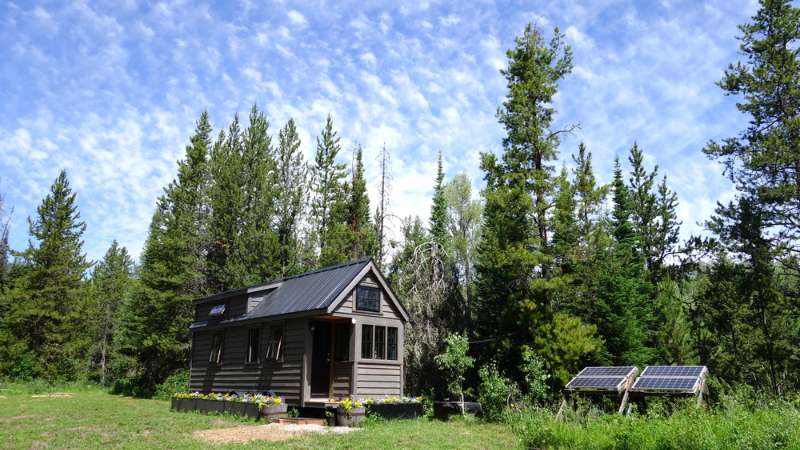
After determining your energy needs, the next step is selecting appropriate generation methods. Solar panels are the most common choice for off-grid setups, but wind turbines, micro-hydro, and generators can also play a role. The key is to match your system’s output to your calculated requirements, with a buffer for cloudy days or unexpected use.
When sizing solar, divide your daily watt-hour total by the average number of sunlight hours per day in your location. For example, if you need 1,280 Wh daily and receive 5 hours of sun, you’ll need at least 256 watts of solar panels (1,280 ÷ 5 = 256). Add 20–30% extra capacity to account for inefficiencies and weather variability.
Battery Storage and Backup Considerations
Reliable off-grid living depends on adequate energy storage. Batteries store excess power for use at night or during cloudy weather. To size your battery bank, multiply your daily usage by the number of days you want to cover without sun (commonly 2–3 days), then divide by the battery voltage (usually 12V, 24V, or 48V).
For example, if your daily need is 1,280 Wh and you want 3 days of autonomy, you’ll need 3,840 Wh of storage. At 24V, that’s 160 amp-hours (3,840 ÷ 24 = 160). Always factor in battery depth of discharge (DoD) and efficiency losses—lead-acid batteries shouldn’t be discharged below 50%, so double the capacity if using this type.
Accounting for System Losses and Safety Margins
Every component in your system—wires, inverters, charge controllers—introduces some inefficiency. It’s common to add a 20–30% margin to your calculated needs to ensure consistent performance. This buffer helps account for aging equipment, temperature effects, and unexpected surges.
For a deeper dive into essential equipment and planning, the off-grid living essentials guide provides a thorough overview of what to consider when setting up your system.
Tips for Accurate Off-Grid Power Calculations
- Use a power meter to measure actual consumption of appliances when possible.
- Plan for future expansion—add extra capacity if you expect your needs to grow.
- Invest in energy-efficient devices to reduce overall demand.
- Regularly review and update your calculations as your lifestyle or equipment changes.
- Consult with professionals or experienced off-gridders for system design advice.
For those interested in other aspects of homesteading, such as herbal garden ideas or backyard dairy basics, integrating energy planning with your overall homestead design can lead to a more efficient and enjoyable experience.
Frequently Asked Questions
What is the most accurate way to estimate off-grid energy needs?
The most precise approach involves listing every electrical device you use, recording its wattage, and estimating daily usage hours. Multiply each device’s wattage by its hours of use to get daily watt-hours, then sum these for your total. Using a plug-in power meter can help verify actual consumption and improve accuracy.
How much extra capacity should I add to my system?
It’s recommended to add a 20–30% buffer to your calculated needs. This accounts for system losses, weather variability, and future increases in usage. Oversizing your system slightly helps ensure reliability and reduces the risk of running out of power.
Can I use only solar panels for my off-grid setup?
While solar is the most popular option, relying solely on it can be risky in areas with frequent cloudy weather or long winters. Many off-grid systems combine solar with wind, hydro, or generator backup to ensure consistent power supply year-round.
Conclusion
Determining your off-grid power requirements is a critical step for anyone seeking energy independence. By carefully assessing your daily and seasonal needs, factoring in system losses, and planning for future growth, you can design a system that’s both reliable and cost-effective. Remember to revisit your calculations regularly and stay informed about new technologies and best practices. For more guidance on budgeting and avoiding common pitfalls, check out the modern homesteading budgeting tips guide.