Embracing modern homesteading is about more than just growing your own food or living off the land. It’s a lifestyle shift that focuses on self-reliance, sustainability, and making intentional choices about how you live. Whether you have a large rural property or a small suburban backyard, you can take practical steps toward greater independence and a more sustainable way of life.
This guide breaks down the process into manageable stages, helping you build skills and confidence as you go. Along the way, you’ll find tips, resources, and real-world advice for beginners who want to make the transition as smooth as possible. For those interested in a deeper dive into off-grid living, the how to live off-grid full time resource offers additional insights.
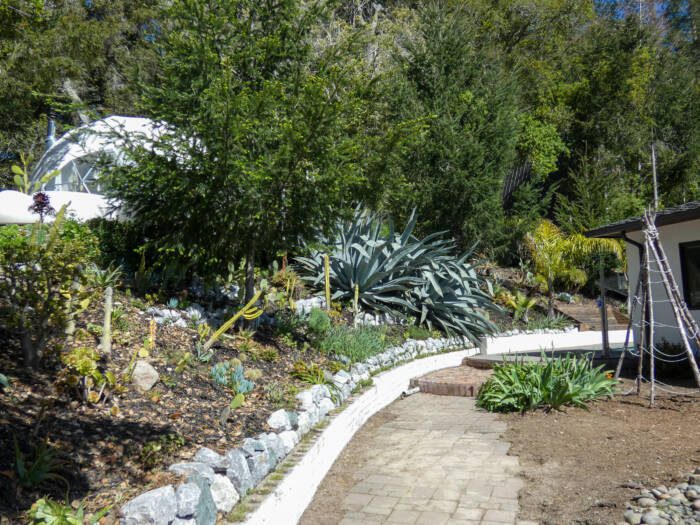
Understanding the Basics of Modern Homesteading
At its core, modern homesteading is about creating a more self-sufficient and sustainable lifestyle, regardless of where you live. Unlike traditional homesteading, which often meant living entirely off the grid, today’s approach is flexible and can be adapted to urban, suburban, or rural settings.
Key principles include:
- Growing and preserving your own food
- Raising small livestock or poultry
- Reducing reliance on commercial systems
- Learning practical skills like canning, composting, and basic repairs
- Making eco-friendly choices in daily life
If you’re just starting out, it’s helpful to read a self-sufficient homestead guide to get an overview of what’s possible and how to set realistic goals.
Setting Clear Goals and Priorities
Before you begin, take some time to define what you want from your homesteading journey. Are you hoping to grow all your vegetables? Do you want to raise chickens for eggs, or perhaps reduce your household waste? Setting clear, achievable goals will help you stay focused and motivated.
- Assess your space: Consider the size of your property, available sunlight, and local climate.
- Budget realistically: Factor in costs for tools, seeds, fencing, and other essentials.
- Start small: Choose one or two projects to begin with, such as a small garden bed or a compost bin.
- Plan for learning: Expect to make mistakes and learn as you go. Every homesteader starts somewhere.

Step-by-Step Approach to Homesteading for Beginners
1. Educate Yourself and Gather Resources
Learning is the first step. Read books, watch videos, and connect with local homesteading groups. Online communities and blogs can be valuable sources of advice and encouragement. For a comprehensive overview, check out the complete guide to off-grid homesteading.
Consider keeping a notebook or digital journal to track your progress, jot down ideas, and record what works (and what doesn’t).
2. Start with Food Production
Growing your own food is a cornerstone of the homesteading lifestyle. Begin with easy-to-grow vegetables like lettuce, radishes, or tomatoes. If you have space, consider adding fruit bushes or a small herb garden.
- Choose crops suited to your climate and soil
- Use raised beds or containers if space is limited
- Learn about composting to enrich your soil naturally
As you gain confidence, you can expand your garden or experiment with new crops.
3. Incorporate Small Livestock or Poultry
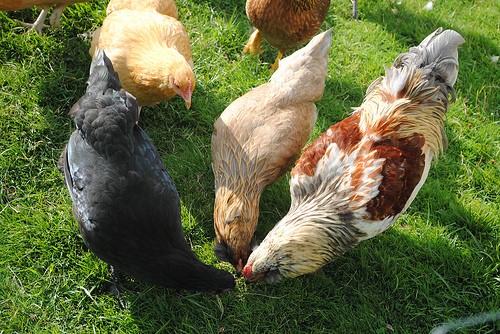
Chickens are a popular choice for beginners—they provide fresh eggs, help control pests, and produce valuable manure for your garden. If you have more space, you might consider rabbits, ducks, or even goats.
- Check local regulations before acquiring animals
- Start with a small flock and learn as you go
- Provide secure housing and proper nutrition
4. Develop Essential Skills
Building self-sufficiency means learning practical skills. Some useful areas to focus on include:
- Canning and preserving food
- Basic carpentry and repairs
- Water collection and conservation
- Natural cleaning and home remedies
Many of these skills can be learned through workshops, online tutorials, or by connecting with experienced homesteaders in your area.
5. Reduce Waste and Live Sustainably
Sustainability is at the heart of modern homesteading. Simple changes—like composting kitchen scraps, using reusable containers, or installing rain barrels—can make a big difference over time.
Consider setting up a recycling system, switching to energy-efficient lighting, or exploring renewable energy options as your experience grows.
Common Challenges and How to Overcome Them
Every new homesteader faces obstacles, from unpredictable weather to pest problems or time constraints. The key is to stay flexible and not get discouraged by setbacks. Learning from others can help you avoid pitfalls; for example, reviewing the mistakes new homesteaders make can save you time and frustration.
Remember, progress is often gradual. Celebrate small victories and adjust your plans as needed.
Expanding Your Homestead Over Time
As you gain experience, you may want to expand your efforts. This could mean adding more garden beds, experimenting with new crops, or introducing additional livestock. Some homesteaders eventually move toward full off-grid living, while others simply enjoy the benefits of a more sustainable lifestyle.
For those interested in a structured approach, the off-grid homestead startup timeline provides a helpful roadmap for gradual growth.
Connecting with others—whether online or in your local community—can provide support, inspiration, and practical advice as you continue your journey.
Additional Resources for Modern Homesteaders
There are many resources available to help you succeed, from books and online courses to local extension offices and community gardens. For a broader perspective on the movement, this overview of modern homesteading practices offers valuable insights and tips.
Don’t hesitate to reach out to others or seek out workshops and events in your area. The homesteading community is known for its willingness to share knowledge and support newcomers.
Frequently Asked Questions
What is the first step to becoming a modern homesteader?
The best place to begin is by educating yourself and setting clear, realistic goals. Start with small, manageable projects such as a vegetable garden or compost bin, and build your skills over time.
Can you practice homesteading in an urban or suburban setting?
Absolutely. Many principles of self-reliance and sustainability can be applied in small spaces. Container gardening, backyard chickens (where allowed), and home food preservation are all possible in city or suburban environments.
How much land do you need to start?
There’s no minimum acreage required. Many people begin with a backyard or even a patio. The key is to make the most of the space you have and expand as your skills and interests grow.