Staying on top of garden tasks throughout the year can make a big difference in plant health, productivity, and the overall enjoyment of your outdoor space. A monthly gardening checklist helps you plan ahead, avoid missed chores, and keep your garden thriving from January through December. Whether you’re growing vegetables, flowers, or a mix of both, having a reliable routine ensures that nothing gets overlooked as the seasons change.
This guide breaks down essential gardening tasks for each month, offering practical advice for all climates. You’ll find reminders for planting, pruning, soil care, pest management, and more. By following these monthly tips, you can maximize yields, reduce stress, and enjoy a more beautiful, productive garden all year long.
Before diving into the month-by-month breakdown, remember that keeping your tools in good shape is just as important as tending to your plants. For tips on prolonging the life of your equipment, check out how to maintain gardening tools for practical advice on cleaning, sharpening, and storing your gear.
Why a Monthly Garden Routine Matters
Gardening is a year-round commitment, not just a spring or summer activity. By spreading out tasks with a monthly gardening checklist, you avoid the overwhelm that comes with trying to do everything at once. This approach also helps you:
- Catch problems early, such as pests or diseases
- Time plantings for optimal growth
- Keep weeds and invasive species under control
- Maintain soil health and fertility
- Enjoy a more organized, productive garden
Let’s walk through what to focus on each month to keep your garden in top shape.
January: Planning and Preparation
January is the perfect time to reflect on last year’s successes and challenges. Use this quieter month to:
- Review garden notes and photos from the previous year
- Order seeds and supplies early for best selection
- Clean and repair tools (see how to maintain gardening tools for detailed steps)
- Start planning your garden layout and crop rotation
- Check stored bulbs and tubers for rot
February: Seed Starting and Soil Prep
As days slowly lengthen, it’s time to get a jump on the growing season:
- Start seeds indoors for cool-season crops (lettuce, onions, broccoli)
- Test soil and amend as needed with compost or organic matter
- Sharpen and oil pruners and loppers
- Prune dormant trees and shrubs before sap starts flowing
For those new to growing vegetables, this step-by-step guide to starting a veggie garden offers helpful advice on getting started from scratch.
March: Early Planting and Weed Control
March signals the start of active gardening in many regions. Focus on:
- Direct sowing hardy crops like peas, spinach, and radishes
- Transplanting seedlings started indoors
- Applying mulch to suppress early weeds
- Inspecting for overwintering pests and removing them
- Cleaning up last year’s debris to prevent disease
Manual weed removal is especially important now. For practical techniques, see these manual weed removal tips to save your back and garden.
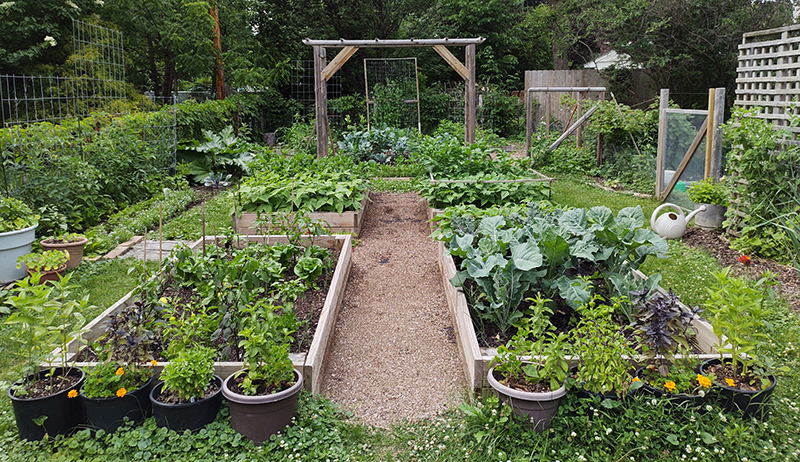
April: Spring Growth and Pest Prevention
With warmer weather, gardens burst into life. Your checklist for April should include:
- Planting potatoes, carrots, and other root crops
- Dividing perennials and replanting as needed
- Applying organic fertilizer to encourage strong growth
- Checking for signs of caterpillars and other pests (learn how to get rid of caterpillars on plants safely)
- Mulching beds to retain moisture and suppress weeds
May: Warm-Season Planting and Watering
May is prime time for planting summer crops and flowers. Focus on:
- Transplanting tomatoes, peppers, and eggplants after frost danger passes
- Direct sowing beans, corn, and squash
- Staking tall plants early to prevent wind damage
- Monitoring soil moisture and watering deeply as needed
- Removing weeds before they set seed
For natural weed management, see these tips on how to prevent weeds naturally without chemicals.
June: Maintenance and Mulching
As plants grow rapidly, June’s priorities include:
- Regular weeding and mulching to conserve moisture
- Deadheading spent flowers to encourage more blooms
- Pinching back herbs to promote bushy growth
- Checking for pests and diseases weekly
- Harvesting early crops like lettuce and peas

July: Harvest and Water Management
Mid-summer brings heat and heavy harvests. Your checklist for July:
- Harvest crops regularly to encourage continued production
- Water deeply in the early morning to minimize evaporation
- Monitor for signs of drought stress and adjust irrigation
- Continue mulching and weeding as needed
- Watch for insect pests and treat promptly
August: Fall Planning and Pest Control
As summer wanes, it’s time to think ahead:
- Start seeds for fall crops like kale, broccoli, and lettuce
- Remove spent plants and compost healthy debris
- Check for late-season pests and diseases
- Begin planning cover crops to improve soil health
- Divide and transplant perennials if needed
September: Harvest and Cleanup
September is a transition month in most gardens:
- Harvest remaining summer crops
- Plant garlic and overwintering onions
- Remove annuals and prepare beds for winter
- Collect and save seeds from favorite plants
- Continue weeding and mulching
October: Preparing for Frost and Winter
As temperatures drop, focus on protecting your garden:
- Cover tender plants or bring containers indoors
- Apply a final layer of mulch to protect roots
- Clean and store tools and hoses
- Plant spring-flowering bulbs
- Rake leaves and add to compost pile
November: Final Cleanup and Composting
November is about wrapping up the growing season:
- Finish cleaning up beds and removing debris
- Turn compost piles and add organic matter
- Check stored produce for spoilage
- Review notes and update your garden journal
- Inspect fences and structures for needed repairs
December: Rest and Reflect
With the garden mostly dormant, December is a time to:
- Enjoy winter interest plants and evergreens
- Plan next year’s projects and improvements
- Read gardening books or attend workshops
- Organize seeds and supplies for the coming year
- Take a well-deserved break!
Tips for Using Your Monthly Checklist Effectively
- Customize tasks based on your climate and garden type
- Set reminders on your phone or calendar for key chores
- Keep a garden journal to track what works and what doesn’t
- Stay flexible—weather and plant needs can change quickly
For more on keeping weeds at bay throughout the year, see these strategies for how to control weeds in garden spaces with prevention and removal tips.
Frequently Asked Questions
How do I adjust my gardening checklist for my local climate?
Start by learning your USDA hardiness zone and average frost dates. Adjust planting and harvesting times accordingly, and be flexible with tasks like mulching or pruning depending on your region’s weather patterns.
What are the most important monthly tasks for vegetable gardens?
Key chores include timely planting and harvesting, regular weeding, monitoring soil moisture, and checking for pests. Using a monthly gardening checklist helps ensure you don’t miss critical steps like fertilizing or rotating crops.
How can I keep weeds under control all year?
Stay consistent with mulching, hand-pulling, and using cover crops. For more detailed advice, refer to these manual weed removal tips and learn about natural weed prevention methods.
Is it necessary to clean garden tools every month?
While a deep clean isn’t needed monthly, regularly removing soil and sap, sharpening blades, and oiling moving parts will extend the life of your tools and help prevent disease spread.
By following a well-organized routine and adapting it to your garden’s needs, you’ll enjoy healthier plants and a more rewarding gardening experience all year long.