Yellowing leaves are a common concern for gardeners and plant enthusiasts. Noticing this change in foliage color can be alarming, but understanding the causes and solutions helps keep your plants healthy and vibrant. In this guide, we’ll explore the most frequent reasons for yellow leaves, how to identify the underlying issue, and practical steps to restore plant health. Whether you’re caring for houseplants, vegetables, or ornamental shrubs, recognizing the signs early can make all the difference.
Before diving into the main causes, it’s helpful to remember that not all yellowing is a sign of trouble. Some plants naturally shed older leaves as part of their growth cycle. However, persistent or widespread yellowing typically signals a problem that needs attention. For those looking to optimize their watering routine, consider reading about drip irrigation for home gardens for more efficient moisture management.
Common Reasons for Yellowing Leaves
Several factors can cause leaves to lose their green color. Identifying the specific reason is key to providing the right remedy. Here are the most frequent causes:
- Overwatering or poor drainage
- Underwatering
- Nutrient deficiencies
- Pest infestations
- Disease
- Environmental stress (light, temperature, humidity)
- Natural aging of leaves
Watering Issues and Yellow Leaves
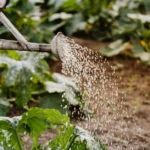
Improper watering is one of the most common reasons leaves lose their green hue. Both too much and too little water can disrupt a plant’s ability to absorb nutrients, leading to discoloration.
Too Much Water
Excess moisture in the soil suffocates roots, causing them to rot. This prevents the plant from taking up essential nutrients, resulting in yellow leaves that may feel soft or mushy. Make sure your pots have drainage holes, and avoid letting plants sit in standing water.
Too Little Water
When plants don’t receive enough moisture, leaves may turn yellow, wilt, or become crispy at the edges. Check the soil regularly; if it feels dry an inch below the surface, it’s time to water. Using a soil moisture meter can help take the guesswork out of watering.
Nutrient Deficiencies and Plant Health
Plants require a balanced diet of nutrients to thrive. When certain elements are lacking, leaves often show it by turning yellow in specific patterns.
Nitrogen Deficiency
Nitrogen is essential for lush, green growth. A lack of this nutrient typically causes older leaves to yellow first, while new growth remains green. Applying a balanced fertilizer or compost can help restore nitrogen levels.
Iron Deficiency
Iron chlorosis appears as yellowing between leaf veins, often affecting new leaves first. This is common in alkaline soils. Treating with an iron supplement or adjusting soil pH can resolve the issue.
Other Nutrient Shortages
Magnesium, potassium, and manganese deficiencies can also cause yellowing. Each presents slightly different symptoms, so it’s important to observe the pattern and location of the discoloration.
For more on improving soil health, see our tips on how to use mulch in a vegetable garden for weed control and moisture retention.
Pests, Diseases, and Environmental Stress
Insects and pathogens can damage plant tissues, leading to yellow leaves. Additionally, environmental factors like light and temperature play a significant role in plant health.
Pest Problems
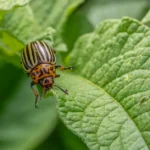
Common culprits include aphids, spider mites, and whiteflies. These pests suck sap from leaves, causing them to yellow and drop. Inspect the undersides of leaves and treat infestations promptly with insecticidal soap or neem oil.
Fungal and Bacterial Diseases
Root rot, leaf spot, and blight can all cause discoloration. Remove affected leaves and improve air circulation around plants. Avoid overhead watering to reduce disease risk.
Environmental Factors
Insufficient light, sudden temperature changes, or low humidity can stress plants. Make sure your plant is suited to its location and adjust conditions as needed. For outdoor gardens, stagger plantings and use mulch to buffer temperature swings and retain soil moisture.
How to Diagnose the Cause of Yellow Leaves
Pinpointing the reason for yellowing foliage involves a process of elimination. Start by checking the soil moisture and drainage. Next, examine the plant for pests or signs of disease. Consider recent changes in environment, such as moving the plant or a shift in weather. Finally, review your fertilization routine and look for patterns in the yellowing (older vs. newer leaves, between veins, etc.).
If you’re growing vegetables, you can find more advice in this comprehensive vegetable gardening resource for troubleshooting and care tips.
Effective Solutions and Prevention Tips
Once you’ve identified the likely cause, take these steps to help your plants recover and prevent future problems:
- Adjust watering—let soil dry between waterings for most plants, and use a moisture meter for accuracy.
- Improve drainage by repotting in well-draining soil or using raised beds.
- Feed appropriately—use a balanced fertilizer or amend soil with compost to address nutrient gaps.
- Inspect regularly for pests and treat promptly if found.
- Remove diseased or damaged leaves to prevent spread.
- Match plants to their preferred environment—consider light, humidity, and temperature needs.
- Mulch garden beds to conserve moisture and regulate soil temperature. Learn more about the benefits of mulching garden beds.
For those interested in maximizing water efficiency and plant health, our article on how to water plants efficiently offers practical strategies for both indoor and outdoor gardens.
Frequently Asked Questions
Can yellow leaves turn green again?
Once a leaf has turned yellow due to nutrient deficiency or damage, it usually won’t regain its green color. Focus on correcting the underlying issue to promote healthy new growth instead.
Is yellowing always a sign of a problem?
Not always. Some plants naturally shed older leaves as part of their growth cycle. However, widespread or sudden yellowing often indicates a problem that needs attention.
How can I prevent yellow leaves in the future?
Maintain consistent watering, provide balanced nutrition, and monitor for pests and diseases. Matching each plant to its preferred environment and using mulch can also help prevent stress and yellowing.
Conclusion
Yellow leaves are a visible sign that something may be off with your plant’s care or environment. By understanding the most common causes—such as watering issues, nutrient deficiencies, pests, and environmental stress—you can quickly diagnose and address the problem. Regular observation, proper care, and proactive prevention will keep your plants healthy and green. For more gardening tips, explore our guides on the best mulch for vegetable plants and other essential topics.