
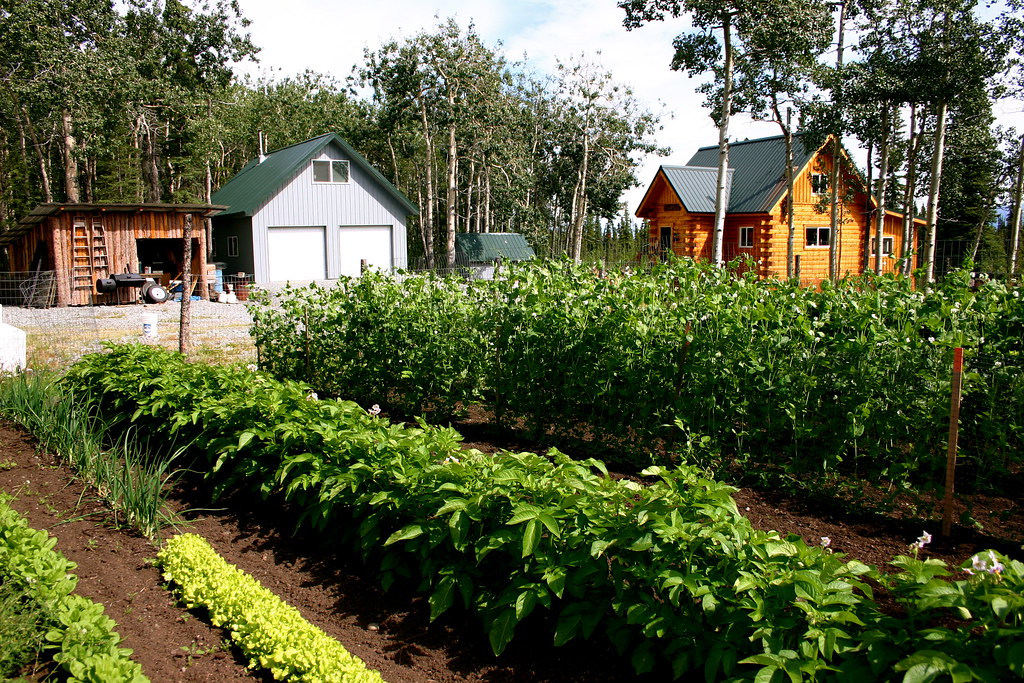
Building a truly self-sufficient homestead away from municipal utilities requires practical strategies, careful planning, and a willingness to adapt. Whether you’re just starting out or looking to improve your current setup, focusing on sustainable practices is key to long-term success. This article shares proven advice for increasing your independence, conserving resources, and creating a resilient lifestyle in an off-grid environment.
From food production and water management to energy solutions and animal care, these off-grid homestead sustainability tips are designed to help you thrive. If you’re interested in growing your own food, you might also find our guide on how to grow onions from bulbs useful for expanding your garden’s variety.
Planning for Food Security on Your Homestead
One of the most important aspects of living off the grid is ensuring a steady, reliable food supply. This means growing a diverse range of crops, raising livestock, and preserving food for leaner months. Start by assessing your land’s soil quality, sunlight, and water access. If you’re working with limited space, check out tips on how to grow vegetables in small spaces to maximize your harvest.
- Crop diversity: Plant a mix of vegetables, fruits, and herbs to reduce the risk of crop failure and provide balanced nutrition.
- Succession planting: Stagger plantings to ensure a continuous supply of fresh produce throughout the growing season.
- Seed saving: Learn to save seeds from your healthiest plants for future planting, reducing reliance on outside sources.
- Food preservation: Use canning, dehydrating, fermenting, and root cellaring to store surplus harvests for winter.
For those just starting out, focus on crops that are easy to grow and store well, such as potatoes, beans, squash, and onions. If you want more ideas, our list of the best vegetables to grow at home can help you plan your garden for maximum yield and nutrition.
Water Conservation and Management Strategies
Reliable water access is essential for any off-grid lifestyle. Sustainable water management not only ensures your survival but also supports your crops and animals. Here are some actionable steps:
- Rainwater harvesting: Install gutters and storage tanks to collect rainwater for irrigation and household use.
- Greywater recycling: Reuse water from sinks, showers, and laundry for watering non-edible plants or flushing toilets.
- Mulching: Apply organic mulch to garden beds to retain soil moisture and reduce evaporation.
- Drip irrigation: Use efficient watering systems to deliver water directly to plant roots, minimizing waste.
Regularly test your water sources for quality and safety, especially if you rely on wells or surface water. Consider building swales or small ponds to help recharge groundwater and create microclimates that benefit your crops.
Renewable Energy Solutions for Off-Grid Living
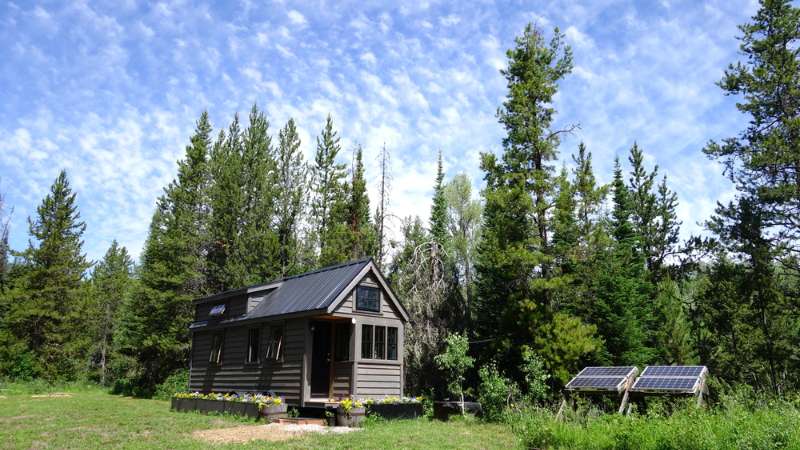
Generating your own power is a cornerstone of off-grid sustainability. Solar panels, wind turbines, and micro-hydro systems are popular choices. Each has its own advantages depending on your location and climate. Here are some practical tips for energy independence:
- Solar power: Install photovoltaic panels to capture sunlight and convert it into electricity for your home and tools.
- Battery storage: Invest in high-quality batteries to store excess energy for use at night or during cloudy weather.
- Energy efficiency: Choose LED lighting, energy-efficient appliances, and well-insulated buildings to reduce overall consumption.
- Backup systems: Keep a generator or alternative power source for emergencies or extended periods of low renewable output.
For a deeper dive into essential equipment and setup, the off-grid living essentials guide provides a comprehensive overview of what you’ll need to get started and maintain a reliable energy supply.
Raising Animals Responsibly and Sustainably
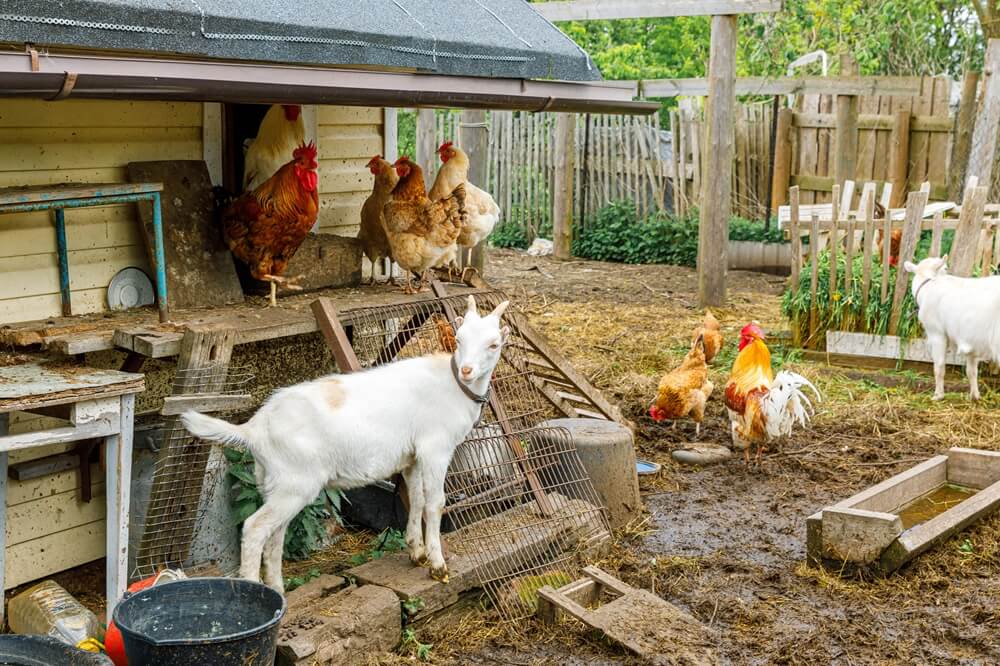
Livestock can provide meat, eggs, milk, and even natural fertilizer for your garden. However, animal care on a remote property requires thoughtful planning to ensure both animal welfare and environmental sustainability. Consider these guidelines:
- Rotational grazing: Move animals between pastures to prevent overgrazing and promote healthy soil.
- Integrated pest management: Use chickens or ducks to control insects in your garden instead of relying on chemicals.
- Natural shelters: Build coops and barns using local, renewable materials for insulation and durability.
- Feed sustainability: Grow a portion of your own animal feed to reduce costs and reliance on external suppliers.
Soil Health and Regenerative Practices
Maintaining fertile, living soil is fundamental to sustainable homesteading. Healthy soil supports abundant crops, stores water, and sequesters carbon. Here’s how to nurture your land:
- Composting: Recycle kitchen scraps, animal manure, and plant debris into nutrient-rich compost for your gardens.
- Cover cropping: Plant cover crops like clover or rye during the off-season to prevent erosion and add organic matter.
- No-till gardening: Minimize soil disturbance to protect beneficial microbes and reduce weed pressure.
- Crop rotation: Change planting locations each year to prevent disease buildup and balance soil nutrients.
If you’re preparing new garden beds, our detailed advice on how to prepare soil for planting vegetables can help you get started with healthy, productive earth.
Waste Reduction and Resource Cycling
Minimizing waste and reusing resources are at the heart of sustainable off-grid living. Every output from your homestead—whether plant trimmings, animal manure, or household greywater—can become an input for another system. Here are some effective approaches:
- Vermicomposting: Use worms to break down food scraps into high-quality fertilizer for your garden.
- Reusing materials: Repurpose old lumber, barrels, and containers for new projects around the property.
- Bartering and sharing: Trade surplus produce, eggs, or handmade goods with neighbors to reduce reliance on cash and outside stores.
- Repair culture: Fix and maintain tools, clothing, and equipment to extend their lifespan and reduce waste.
Adapting to Challenges and Continuous Learning
No two homesteads are exactly alike, and challenges are inevitable. Weather extremes, pests, and equipment failures can test your resolve. The most successful off-grid homesteaders are those who remain flexible, keep learning, and adapt their systems as needed. Consider joining local or online communities to share experiences and solutions. Experiment with new crops, techniques, and technologies, and don’t hesitate to seek advice from those with more experience.
For beginners, starting with easy vegetables for beginners to grow can help build confidence and skills before tackling more complex projects.
Frequently Asked Questions
What are the most important first steps for off-grid sustainability?
Start by securing reliable water and food sources, then invest in renewable energy systems. Focus on soil health and waste reduction early on to build a solid foundation for long-term resilience.
How can I make my off-grid homestead more energy efficient?
Use LED lighting, energy-efficient appliances, and insulate your home well. Regularly maintain your renewable energy systems and monitor your usage to identify areas for improvement.
Is it possible to be completely self-sufficient?
While total self-sufficiency is challenging, especially for items like salt, coffee, or certain tools, you can greatly reduce your dependence on outside resources by growing your own food, generating power, and recycling waste. Bartering with neighbors can fill in the gaps.