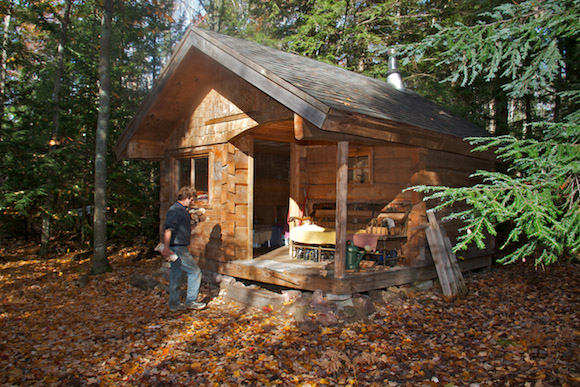
Living off the grid brings a sense of independence and sustainability, but it also requires smart planning to stay comfortable through every season. One of the most important aspects of off-grid living is effective insulation. Whether you’re building a new cabin, retrofitting a tiny home, or upgrading a yurt, the right insulation choices can help you maintain a stable indoor temperature, reduce energy consumption, and protect your space from the elements.
In this guide, we’ll explore a variety of off-grid insulation ideas for different budgets, climates, and building types. You’ll learn about natural and recycled materials, installation tips, and how to maximize comfort with minimal reliance on external energy sources. For those interested in optimizing their garden alongside their home, check out our resource on how to prepare soil for planting vegetables for a more self-sufficient lifestyle.
Why Insulation Matters in Off-Grid Living
Insulation is the foundation of an energy-efficient off-grid home. Without access to conventional heating and cooling systems, maintaining a comfortable indoor environment relies heavily on how well your structure retains heat in winter and stays cool in summer. Good insulation reduces the need for wood stoves, propane heaters, or solar-powered fans, helping you conserve precious resources.
Beyond comfort, proper insulation also protects your building from moisture damage, mold growth, and temperature-related wear and tear. By investing in the right materials and installation methods, you can extend the lifespan of your off-grid home and improve your quality of life year-round.
Natural and Sustainable Insulation Materials
Many people pursuing off-grid lifestyles prefer eco-friendly and locally sourced materials. Here are some popular sustainable options:
- Sheep’s Wool: Naturally fire-resistant, moisture-regulating, and effective at trapping air, sheep’s wool is a favorite for cabins and tiny homes. It’s easy to install and biodegradable.
- Cellulose: Made from recycled paper, cellulose insulation is treated for fire resistance and offers excellent thermal performance. It’s often blown into walls and attics for a snug fit.
- Cotton (Denim): Recycled denim insulation is safe to handle, free of harmful chemicals, and provides solid soundproofing as well as thermal benefits.
- Straw Bales: Thick straw bale walls offer high R-values and are ideal for new builds in dry climates. They require careful sealing to prevent moisture issues.
- Cork: Renewable and naturally resistant to pests and mold, cork panels or granules can be used in floors, walls, and roofs for added insulation.

Recycled and Low-Cost Insulation Solutions
For those on a tight budget or looking to repurpose materials, there are several effective and affordable insulation options:
- Reclaimed Rigid Foam: Salvaged foam boards from construction sites can be cut to fit walls, floors, or ceilings. They’re lightweight and offer good thermal resistance.
- Reflective Foil: Radiant barriers made from aluminum foil reflect heat away in summer and trap warmth in winter. They’re especially useful in attics and under roofs.
- Cardboard: Layered cardboard panels can be used as temporary or supplemental insulation in sheds, greenhouses, or outbuildings.
- Old Blankets and Quilts: While not a long-term solution, thick textiles can be hung on walls or used as window coverings to reduce drafts and heat loss.
Combining these materials with air sealing techniques—such as caulking gaps and weatherstripping doors—can greatly enhance their effectiveness.
Insulating Different Parts of an Off-Grid Home
Each area of your home has unique insulation needs. Here’s how to approach the most critical zones:
Walls and Ceilings
Thick, well-sealed walls are essential for maintaining a stable indoor climate. Natural materials like straw bales or sheep’s wool work well in wall cavities, while rigid foam or cellulose can be used in ceilings to prevent heat from escaping upward.
Floors
Insulating floors is often overlooked but crucial, especially for raised structures. Rigid foam boards, cork, or even packed earth can help reduce heat loss through the ground. For mobile or tiny homes, consider adding a layer of insulation beneath the subfloor.
Windows and Doors
Single-pane windows and poorly sealed doors are major sources of heat loss. Double-glazed windows, thermal curtains, and weatherstripping can make a significant difference. Recycled bubble wrap or clear plastic film can also be applied to windows in winter for extra protection.
Climate-Specific Insulation Strategies
Not all insulation methods work equally well in every climate. Here are some tips for tailoring your approach:
- Cold Climates: Focus on high R-value materials like sheep’s wool, cellulose, or thick foam. Pay special attention to sealing air leaks and insulating floors.
- Hot Climates: Reflective barriers, light-colored roofing, and cross-ventilation are key. Use natural materials that allow for breathability, such as cork or cotton.
- Humid Regions: Choose moisture-resistant options like cork, wool, or closed-cell foam. Ensure proper vapor barriers and ventilation to prevent mold.
For more ideas on adapting your off-grid lifestyle to different environments, the comprehensive guide to off-grid living offers additional insights and practical tips.
DIY Tips for Off-Grid Insulation Projects
Many insulation solutions can be installed with basic tools and a bit of patience. Here are some practical tips for DIYers:
- Measure twice and cut once to minimize waste, especially with reclaimed materials.
- Wear protective gear when handling fiberglass, cellulose, or any material that produces dust.
- Seal all gaps and seams with caulk or expanding foam to prevent drafts.
- Layer different materials for added effectiveness—such as combining rigid foam with reflective foil.
- Check local building codes if you’re constructing a new home or making major modifications.
For those growing their own food, pairing energy-efficient insulation with a productive garden can further reduce your reliance on outside resources. Explore the best vegetables to grow at home for a holistic approach to self-sufficiency.
Maintaining and Upgrading Your Insulation Over Time
Even the best insulation materials can degrade or become less effective over the years. Regularly inspect your home for drafts, moisture buildup, or signs of pests. Replace or supplement insulation as needed, and consider upgrading windows or doors if you notice persistent temperature fluctuations. Small improvements, like adding thermal curtains or resealing joints, can make a noticeable difference in comfort and energy savings.
Frequently Asked Questions
What is the most eco-friendly insulation for off-grid homes?
Natural materials like sheep’s wool, cellulose, and cork are among the most environmentally friendly options. They are renewable, biodegradable, and often locally sourced, making them ideal for sustainable living.
How can I insulate my off-grid home on a tight budget?
Repurposing materials such as reclaimed foam, cardboard, and old textiles can provide effective insulation at a low cost. Focus on sealing drafts and layering materials for the best results.
Does insulation help with summer cooling as well as winter heating?
Yes, proper insulation keeps your home cooler in summer by blocking external heat and warmer in winter by retaining indoor warmth. Reflective barriers and ventilation further enhance summer comfort.
Are there any insulation materials to avoid for off-grid use?
Materials that are prone to mold, require complex installation, or off-gas harmful chemicals are best avoided. Always choose options that suit your climate and are safe for indoor air quality.
With the right approach to off-grid insulation ideas, you can create a comfortable, efficient, and sustainable home in any environment. For more tips on maximizing your self-sufficiency, explore resources like how to grow vegetables in small spaces and other guides on this site.