
Preserving food is a valuable skill for homesteaders, off-grid enthusiasts, and anyone interested in self-sufficiency. Dehydrating food without power is a practical way to extend the shelf life of your harvest, reduce waste, and ensure you have nutritious ingredients available year-round. Whether you’re preparing for emergencies, living off-grid, or simply want to try traditional preservation methods, learning how to dry fruits, vegetables, and herbs without electricity is both rewarding and accessible.
This guide covers the most effective no-power dehydration methods, tips for success, and the best foods to preserve. You’ll also find helpful resources, product recommendations, and answers to common questions about food drying in low-tech environments.
For those starting out with food preservation, it’s helpful to also learn about how to grow onions from bulbs and other crops that store well after dehydration. Building a strong foundation in gardening and food storage can make your homestead more resilient and productive.
Why Choose No-Power Dehydration Methods?
Electric dehydrators are convenient, but they aren’t always practical or available. Power outages, remote locations, or a desire to reduce energy use can make traditional drying techniques more appealing. Here are some key benefits of dehydrating food without power:
- Energy independence: No reliance on electricity or fuel.
- Cost savings: No ongoing energy costs or equipment maintenance.
- Quiet operation: No noisy fans or motors.
- Eco-friendly: Uses natural resources like sun and wind.
- Time-tested: Methods have been used for centuries around the world.
Best Foods for Off-Grid Dehydration
Not all foods dry equally well without modern appliances. The most successful options are those with low moisture content and sturdy structure. Here are some top choices for dehydrating food without power:
- Fruits: Apples, pears, plums, peaches, apricots, grapes (raisins), bananas, berries
- Vegetables: Tomatoes, peppers, green beans, carrots, squash, corn, peas
- Herbs: Basil, oregano, thyme, mint, parsley, rosemary
- Mushrooms: Sliced and cleaned thoroughly
- Meat and fish: Can be dried into jerky or salt-cured, but requires extra care for safety
Leafy greens and high-moisture foods like melons are more challenging to dry without controlled heat and airflow, but experimentation can yield good results with the right setup.
Traditional Sun Drying: Harnessing Nature’s Power
Sun drying is the oldest and most widely used method for dehydrating food without power. It works best in hot, dry climates with low humidity and plenty of sunshine. Here’s how to get started:
- Prepare the food: Wash, peel, and slice produce into uniform pieces for even drying. Blanching some vegetables (like green beans or carrots) for a few minutes can help preserve color and texture.
- Arrange on trays: Use screens, racks, or clean cloths. Allow space between pieces for air circulation.
- Protect from pests: Cover trays with cheesecloth or mesh to keep out insects and debris.
- Choose a sunny spot: Place trays on a table, roof, or raised platform where they’ll receive direct sunlight and good airflow.
- Turn regularly: Flip or stir food every few hours to promote even drying.
- Bring inside at night: Prevent dew from rehydrating food by moving trays indoors after sunset.
Drying times vary from one to several days depending on the food, thickness, and weather. Finished products should be leathery, pliable, and have no visible moisture.
Building a DIY Solar Dehydrator
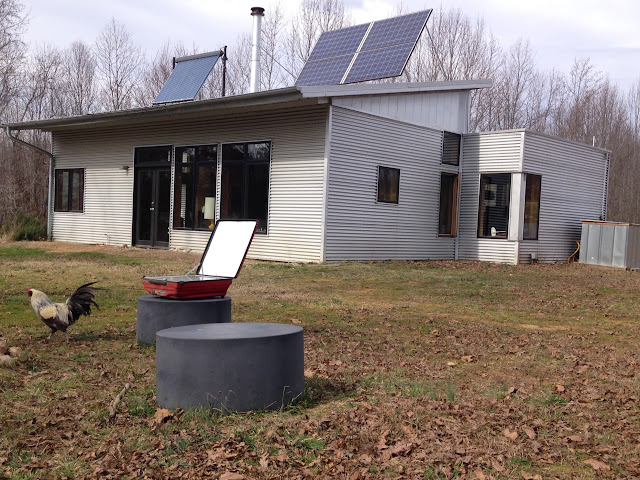
For more consistent results, many homesteaders build simple solar dehydrators. These devices use the sun’s heat and natural convection to dry food faster and more safely than open-air sun drying. A basic solar dehydrator includes:
- A slanted, clear cover (glass or plastic) to trap heat
- Vented sides or bottom for airflow
- Screened trays to hold food
- A dark-colored base to absorb sunlight
Plans for solar dehydrators range from simple cardboard boxes to sturdy wooden cabinets. The key is to maximize sun exposure and airflow while keeping pests out. For inspiration and off-grid living tips, check out this comprehensive guide to starting a frugal off-grid homestead.

Other No-Electricity Drying Techniques
While sun and solar drying are the most common, there are several other ways to dry food without plugging in:
Air Drying Indoors
Herbs, hot peppers, and some fruits can be air dried indoors. Tie small bundles and hang them in a warm, dry, well-ventilated area out of direct sunlight. Paper bags with holes can help keep dust and insects away.
Oven or Wood Stove Drying
If you have a wood stove or cookstove, you can use its residual heat to dry food. Place trays near (not on) the stove, rotating them regularly. Keep temperatures low to avoid cooking the food instead of drying it.
Fire Drying and Smoking
For meats and fish, traditional smoking over a low fire both dries and preserves. This method requires careful temperature control and is best for those with experience in food safety.
Tips for Successful Off-Grid Dehydration
- Slice food evenly for consistent drying.
- Monitor weather: Avoid drying during humid or rainy periods.
- Keep food covered to prevent contamination.
- Test for dryness: Food should be leathery or crisp, not sticky or soft.
- Store properly: Use airtight containers in a cool, dark place. Consider vacuum sealing for long-term storage.
- Label everything with the date and contents.
Storing and Using Dried Foods
Once your produce is fully dried, let it cool completely before packaging. Store in glass jars, mylar bags, or food-safe plastic containers. Keep them in a cool, dark, and dry location to maximize shelf life. Most dried fruits and vegetables will last 6–12 months or longer if stored properly.
To use, simply rehydrate in water, add directly to soups and stews, or enjoy as snacks. Dried herbs can be crumbled into recipes for flavor all year long. For more ideas on maximizing your harvest, explore the best vegetables to grow at home for preservation and fresh eating.
Frequently Asked Questions
How long does it take to dry food without electricity?
Drying times depend on the food type, thickness, weather, and method. Thinly sliced fruits and vegetables may dry in 1–3 days in hot, dry conditions. Herbs can dry in a few days indoors. High humidity or thicker pieces will take longer.
Is it safe to dehydrate meat without power?
Drying meat and fish without electricity is possible but requires extra caution. Use thin strips, salt or marinate for safety, and ensure temperatures stay high enough to prevent spoilage. Smoking is a traditional method, but always research food safety guidelines before attempting.
What if the weather turns humid or rainy during drying?
If conditions become damp, bring food indoors and continue drying in a warm, dry place. You can use a wood stove or oven with the door cracked open if available. Avoid leaving food outside overnight to prevent rehydration from dew.
Conclusion
Learning how to dry food without electricity is a valuable skill for anyone interested in preparedness, off-grid living, or reducing reliance on modern conveniences. With the right techniques, you can preserve a wide variety of fruits, vegetables, and herbs using only the sun, wind, and a bit of ingenuity. For more tips on gardening and food preservation, see our guide on how to prepare soil for planting vegetables and explore ways to make your homestead more productive and resilient.