Living independently from public utilities and modern conveniences is a growing aspiration for many people seeking a simpler, more self-reliant lifestyle. Developing off-grid homesteading skills is essential for those who want to thrive in remote settings, reduce their reliance on external systems, and enjoy the rewards of hands-on living. Whether you’re planning a full transition to rural life or simply want to be more prepared for emergencies, learning these practical abilities can make a significant difference in your confidence and sustainability.
Mastering the basics of food production, water management, shelter maintenance, and energy generation is only the beginning. As you build your knowledge, you’ll discover that homesteading is about adaptability, resourcefulness, and a willingness to learn from both successes and setbacks. If you’re just starting out, consider exploring related topics like how to grow onions from bulbs or how to prepare soil for planting vegetables to deepen your gardening foundation.

Essential Food Production Techniques for Self-Reliance
One of the cornerstones of living off the grid is the ability to produce your own food. This goes beyond simply planting a few vegetables; it’s about understanding the full cycle of food cultivation, preservation, and preparation. Here are some foundational skills to focus on:
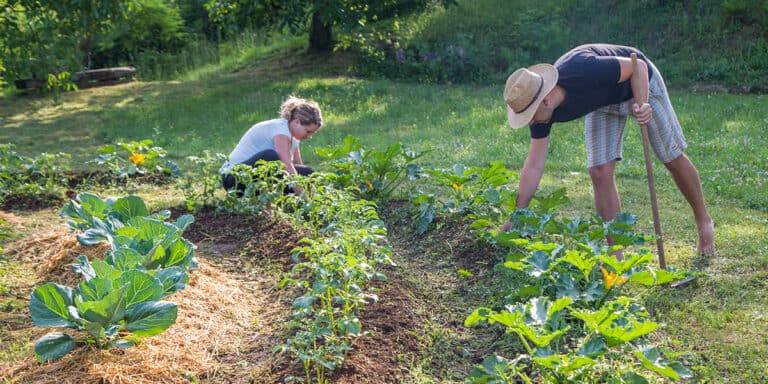
- Vegetable Gardening: Knowing how to start seeds, transplant seedlings, and maintain healthy soil is vital. For those with limited space, learning how to grow vegetables in small spaces can maximize your harvest.
- Fruit and Nut Trees: Planting perennial crops provides long-term food security. Learn about pruning, pest management, and harvesting.
- Animal Husbandry: Raising chickens, goats, or rabbits can supply eggs, milk, and meat. Basic animal care, feeding, and shelter construction are key skills.
- Food Preservation: Canning, dehydrating, fermenting, and root cellaring allow you to store surplus produce for leaner months.
By developing these abilities, you’ll be able to provide for your household year-round and reduce trips to the store. For more ideas on what to grow, check out the best vegetables to grow at home and easy vegetables for beginners to grow.
Water Collection, Filtration, and Conservation
Reliable access to clean water is non-negotiable for any homestead. Developing off-grid homesteading skills in water management ensures you can meet your daily needs regardless of weather or location. Key areas to focus on include:
- Rainwater Harvesting: Setting up gutters, barrels, and storage tanks to collect rainwater from roofs.
- Filtration and Purification: Using sand, charcoal, ceramic, or commercial filters to make water safe for drinking and cooking.
- Well Maintenance: If you have a well, learn how to maintain pumps, test water quality, and troubleshoot common issues.
- Conservation Techniques: Implementing low-flow fixtures, drip irrigation, and greywater recycling to stretch your supply.
Understanding your water sources and having backup options is crucial, especially during droughts or system failures. These skills not only support your independence but also help protect the environment by reducing waste.
Energy Generation and Off-Grid Power Solutions
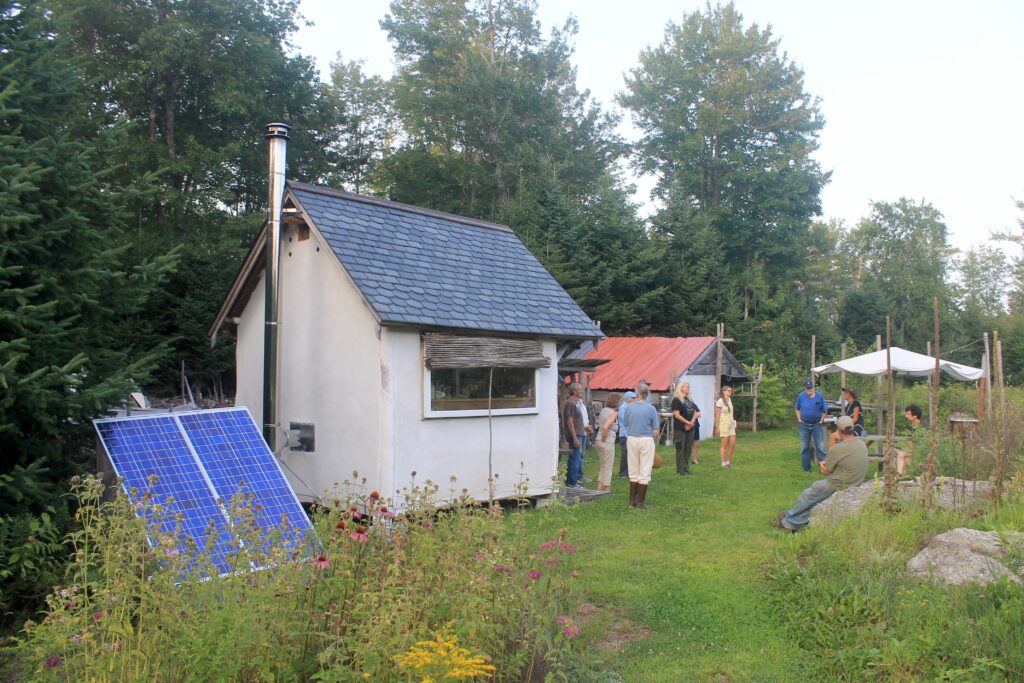
Producing your own energy is a major step toward true self-sufficiency. While solar panels are the most common choice, there are several ways to generate and manage power without relying on the grid:
- Solar Power: Installing and maintaining photovoltaic panels, charge controllers, and battery banks for electricity.
- Wind and Micro-Hydro: In suitable locations, small wind turbines or water-powered generators can supplement your energy needs.
- Wood Heat: Using wood stoves or rocket mass heaters for warmth and cooking, including safe wood harvesting and storage.
- Manual Tools: Learning to use hand-powered equipment reduces your dependence on electricity for daily tasks.
Energy management is just as important as generation. Monitoring usage, maintaining batteries, and having backup systems in place will keep your homestead running smoothly even in challenging conditions.
Building, Maintenance, and Shelter Skills
Keeping your home and outbuildings in good repair is another critical aspect of rural living. Here’s what to focus on to ensure your shelter is safe, comfortable, and efficient:
- Basic Carpentry: Framing, roofing, and finishing skills allow you to build sheds, animal shelters, and even your own home.
- Plumbing and Electrical: Understanding simple repairs and installations for water and power systems can save money and prevent emergencies.
- Insulation and Weatherproofing: Properly sealing your home keeps it warm in winter and cool in summer, reducing energy needs.
- Tool Maintenance: Keeping hand and power tools sharp and in working order extends their lifespan and improves safety.
These practical abilities not only save money but also empower you to tackle unexpected repairs without waiting for outside help. For a deeper dive into what it takes to live independently, see this comprehensive guide to off-grid living essentials.
Additional Survival and Self-Sufficiency Skills
Beyond the basics, there are a variety of other abilities that can make life off the grid more comfortable and secure:
- First Aid and Herbal Medicine: Knowing how to treat minor injuries, illnesses, and use medicinal plants found on your land.
- Fire Building and Cooking: Mastering open-fire cooking, wood stove use, and safe fire management.
- Foraging and Wildcrafting: Identifying edible and medicinal wild plants to supplement your diet and health.
- Bartering and Community Skills: Trading goods and services with neighbors fosters resilience and mutual support.
These skills not only increase your independence but also connect you with the land and your local community, enriching your homesteading experience.
FAQ
What are the most important off-grid skills for beginners?
For those just starting out, focus on gardening, basic animal care, water collection and purification, and simple home maintenance. These foundational skills will help you meet your daily needs and build confidence as you expand your knowledge.
How can I start learning homesteading skills if I live in the city?
Many abilities, such as container gardening, food preservation, and basic carpentry, can be practiced in urban settings. Start small, use available resources, and gradually work toward more advanced projects as your space and experience grow.
Is it expensive to become self-sufficient off the grid?
While some initial investments are required for tools, seeds, or energy systems, many off-grid homesteading skills can be learned with minimal cost. DIY approaches, repurposing materials, and bartering with others can help keep expenses low.