Growing garlic in pots or planters is a practical solution for gardeners with limited space, urban dwellers, or anyone looking to enjoy fresh, homegrown bulbs. With the right techniques, you can achieve a bountiful harvest even without a traditional garden bed. This guide covers everything you need to know about cultivating garlic in containers, from selecting the best varieties to harvesting robust, flavorful cloves.
Container gardening offers flexibility and control over soil quality, making it easier to manage pests and diseases. If you’re interested in expanding your homegrown produce beyond garlic, you might also find value in learning how to grow onions from bulbs or exploring how to grow vegetables in small spaces for more urban gardening tips.
Why Choose Containers for Garlic?
There are several advantages to planting garlic in pots or grow bags. Containers allow you to:
- Control soil composition and drainage for optimal bulb development
- Move plants to maximize sunlight exposure or protect from harsh weather
- Reduce weed competition and soil-borne diseases
- Grow garlic even if you only have a balcony, patio, or small yard
For those with limited outdoor space, container gardening is an excellent way to enjoy homegrown produce. If you’re curious about maximizing productivity in a compact area, check out these tips on growing vegetables in small spaces.
Choosing the Right Garlic Variety
When planning to cultivate garlic in pots, select varieties that are well-suited for your climate and container environment. There are two main types:
- Hardneck garlic: Thrives in colder climates and produces scapes (edible flower stalks). Bulbs tend to be larger, but have a shorter storage life.
- Softneck garlic: Prefers milder climates, stores longer, and is commonly found in grocery stores. Bulbs are usually smaller but contain more cloves per head.
Both types can be grown in containers, but softneck varieties are often favored for their adaptability and storage potential.
Essential Supplies for Container Garlic
Before planting, gather the following supplies:
- Large containers (at least 8–12 inches deep and wide)
- High-quality, well-draining potting mix
- Organic garlic bulbs (avoid supermarket garlic treated to prevent sprouting)
- Balanced fertilizer or compost
- Mulch (such as straw or shredded leaves)
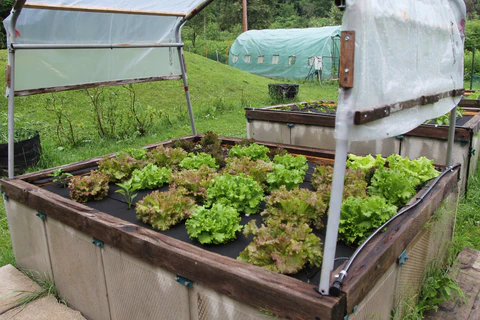
For best results, use containers with drainage holes to prevent waterlogging. Raised beds and fabric grow bags are also excellent choices for garlic cultivation. If you need suitable containers, consider options like a galvanized gardening container or a fabric grow bag for flexibility and portability.
Preparing Soil and Containers for Garlic
Garlic thrives in loose, fertile, and well-draining soil. Fill your chosen container with a high-quality potting mix, ideally one enriched with compost or aged manure. Avoid using heavy garden soil, which can compact and hinder root growth.
To further improve your soil, you may want to review advice on preparing soil for planting vegetables. Mix in a slow-release, balanced fertilizer or organic amendments before planting to support healthy bulb development.
Planting Garlic Cloves in Pots
Follow these steps for successful planting:
- Separate the garlic bulb into individual cloves, leaving the papery skins intact.
- Plant each clove pointed end up, about 2 inches deep and 4–6 inches apart.
- Water thoroughly after planting to settle the soil.
- Cover the surface with a 1–2 inch layer of mulch to retain moisture and suppress weeds.
For best results, plant garlic in the fall (4–6 weeks before the ground freezes) or in early spring if winters are mild. Fall planting usually yields larger bulbs.
Care and Maintenance for Container Garlic
Consistent care is key to growing healthy garlic in pots. Here are the main tasks to focus on:
- Watering: Keep the soil evenly moist but not soggy. Containers dry out faster than garden beds, so check moisture regularly, especially during warm weather.
- Fertilizing: Apply a balanced liquid fertilizer every 3–4 weeks during the growing season, or top-dress with compost in spring.
- Sunlight: Garlic needs at least 6–8 hours of direct sunlight daily. Move containers as needed to maximize light exposure.
- Mulching: Maintain a layer of mulch to conserve moisture and regulate soil temperature.
- Pest and disease management: Monitor for signs of fungal diseases or pests like onion maggots. Remove affected plants promptly and avoid overhead watering.
If you’re interested in other beginner-friendly crops, see this list of easy vegetables for beginners to grow for more ideas.
Harvesting and Storing Garlic from Containers
Garlic is ready to harvest when the lower leaves turn yellow and begin to dry, usually in mid to late summer. To harvest:
- Loosen the soil gently and lift bulbs out by hand, taking care not to bruise them.
- Brush off excess soil and cure bulbs in a dry, well-ventilated area for 2–3 weeks.
- Once cured, trim roots and tops, and store bulbs in a cool, dry place with good air circulation.
Properly cured garlic can last for several months, especially softneck varieties. Enjoy your homegrown harvest in a variety of dishes or save some cloves for next season’s planting.
Tips for Success with Potted Garlic
- Choose the largest, healthiest cloves for planting to ensure robust bulbs.
- Rotate container placement to maximize sunlight and prevent disease buildup.
- Don’t overcrowd cloves—adequate spacing is crucial for bulb development.
- Monitor containers for drainage issues, especially after heavy rain.
- Consider using LED grow lights if growing indoors or in low-light areas.
For more inspiration on what’s possible in a small-scale setup, see this overview of small homestead possibilities.
Common Mistakes to Avoid
- Using containers that are too small or lack drainage holes
- Planting cloves too shallow or too close together
- Allowing soil to dry out completely or become waterlogged
- Neglecting to fertilize or replenish nutrients during the growing season
- Harvesting too early before bulbs are fully mature
By avoiding these pitfalls, you’ll increase your chances of a successful harvest and enjoy flavorful, homegrown garlic year-round.
Frequently Asked Questions
How deep should containers be for garlic?
Choose pots that are at least 8–12 inches deep to allow for proper root and bulb development. Deeper containers are better for moisture retention and stability.
Can I grow garlic indoors in containers?
Yes, garlic can be grown indoors as long as it receives sufficient light. Place containers near a sunny window or supplement with LED grow lights to ensure healthy growth.
When is the best time to plant garlic in pots?
Garlic is typically planted in the fall, about 4–6 weeks before the ground freezes. In mild climates, early spring planting is also possible, but fall planting usually yields larger bulbs.
What type of soil is best for garlic in containers?
Use a loose, well-draining potting mix enriched with compost or aged manure. Avoid heavy soils that retain too much water, as garlic prefers moist but not soggy conditions.
How do I know when garlic is ready to harvest?
Harvest when the lower leaves turn yellow and begin to dry, usually in mid to late summer. Carefully dig up the bulbs and cure them in a dry, ventilated area before storage.
Conclusion
Growing garlic in pots or grow bags is a rewarding way to enjoy fresh, flavorful bulbs even with limited space. By following these steps—choosing the right variety, preparing quality soil, and providing consistent care—you can achieve a successful harvest right on your patio or balcony. For those looking to expand their homegrown produce, be sure to explore guides on the best vegetables to grow at home and other container gardening resources. With a bit of planning and regular maintenance, your container garlic will thrive and provide delicious results season after season.