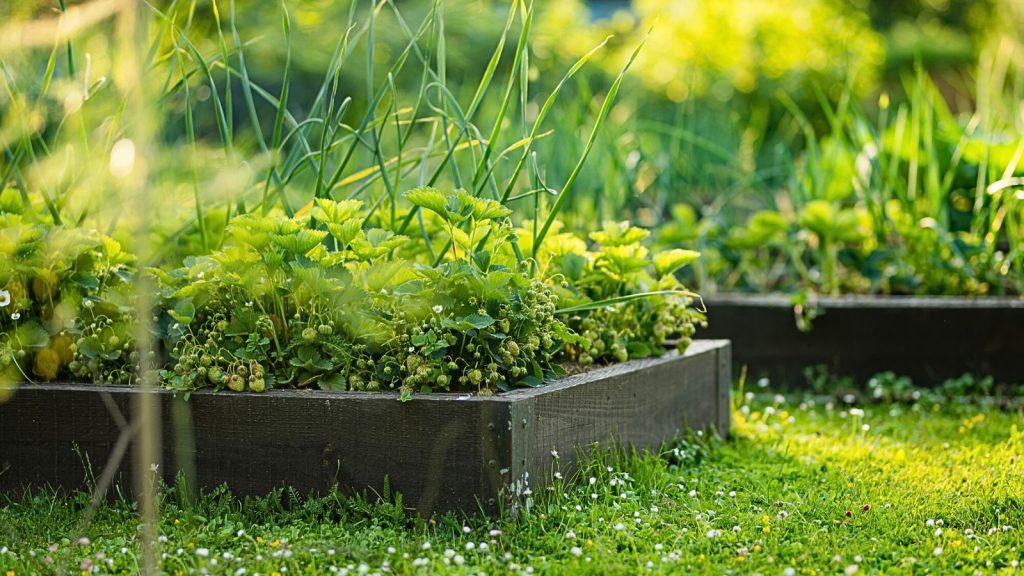
Small-space no-dig gardening offers a practical, low-maintenance way for anyone to grow fresh produce, even in tight urban environments or on patios and balconies. Instead of traditional digging and tilling, this method relies on layering organic materials directly on top of the soil or in containers. The result is healthier soil, less weeding, and a more sustainable approach to home food production.
Whether you have a small backyard, a courtyard, or just a sunny corner, this approach can help you maximize your growing area. By focusing on soil health and efficient use of space, you can enjoy abundant harvests without the backbreaking labor of conventional gardening. For those interested in expanding their knowledge, learning how to grow vegetables in small spaces can further enhance your gardening success.
What Is No-Dig Gardening?
No-dig gardening is a method that avoids disturbing the soil through digging or tilling. Instead, gardeners build up layers of organic matter—such as compost, mulch, and cardboard—on top of the ground or inside containers. This approach mimics natural processes, allowing soil organisms to break down materials and create a healthy, fertile growing environment.
This method is especially well-suited for limited spaces. By minimizing soil disturbance, you reduce weed growth and encourage beneficial microbes and earthworms. The result is a thriving ecosystem that supports robust plant growth with less effort.
Why Choose No-Dig for Compact Gardens?
Adopting a no-dig approach in small areas brings several advantages:
- Less Physical Labor: No need for heavy digging or turning soil.
- Improved Soil Health: Organic layers feed soil life, boosting fertility naturally.
- Fewer Weeds: Mulch and compost layers suppress weed seeds and make maintenance easier.
- Water Retention: Thick organic layers help soil retain moisture, reducing watering needs.
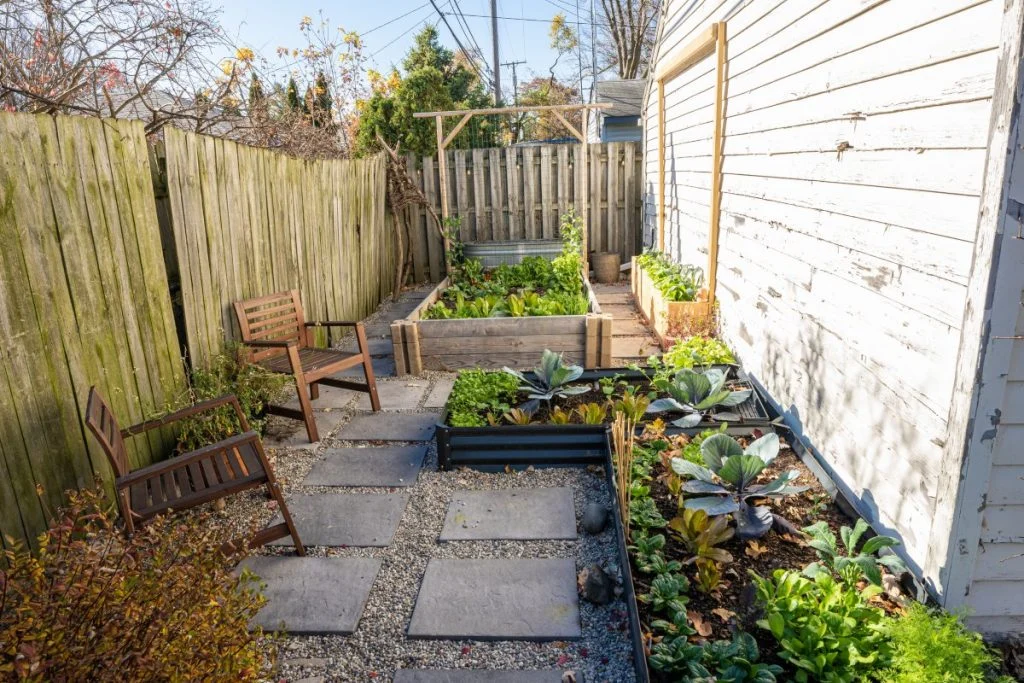
- Space Efficiency: Works well in raised beds, containers, or even on paved surfaces.
For those new to gardening or working with limited space, this method can be a game changer. It’s also a great way to start growing food without investing in expensive equipment or spending hours preparing the ground.
Getting Started with Small-Space No-Dig Gardening
Setting up a no-dig garden in a compact area is straightforward. Here’s a step-by-step overview:
- Choose Your Location: Select a spot that receives at least 6 hours of sunlight per day. Patios, balconies, and small yards all work well.
- Pick a Growing Container: Raised beds, galvanized troughs, or fabric grow bags are ideal for this method. For inspiration, consider a galvanized steel planter or a fabric grow bag.
- Layer the Base: Place cardboard or several sheets of newspaper at the bottom to suppress weeds and grass.
- Add Organic Layers: Alternate layers of compost, leaf mold, straw, and well-rotted manure. Aim for at least 6–12 inches of material.
- Plant Directly: Make holes in the top layer, add a handful of compost, and insert your seeds or seedlings.
Best Plants for No-Dig and Limited Spaces
Some crops are especially well-suited to compact, no-dig setups. Leafy greens, herbs, radishes, and bush varieties of tomatoes or beans thrive in these conditions. If you’re looking for more ideas, check out the best vegetables to grow at home for a productive harvest.
- Salad greens: Lettuce, spinach, arugula, and kale grow quickly and can be harvested repeatedly.
- Herbs: Basil, cilantro, parsley, and chives do well in containers and raised beds.
- Root crops: Radishes, carrots, and beets can be grown in deeper beds or bags.
- Compact fruiting plants: Bush tomatoes, peppers, and dwarf beans are ideal for small spaces.
For those just starting out, focusing on easy vegetables for beginners to grow can help build confidence and ensure early success.
Soil Health and Maintenance in No-Dig Setups
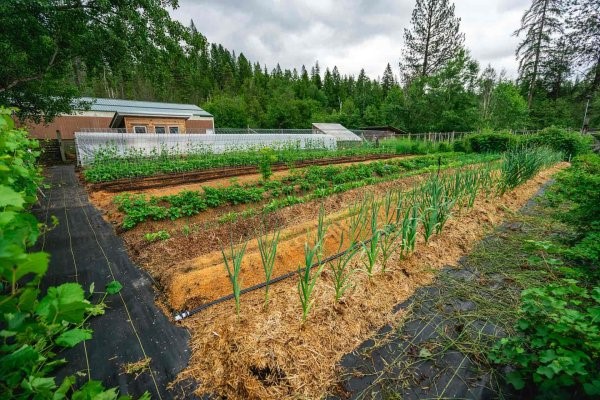
Maintaining healthy soil is at the heart of this gardening style. By continually adding organic matter, you feed beneficial soil organisms and keep the ecosystem thriving. Each season, top up your beds or containers with fresh compost or mulch. This not only improves fertility but also keeps weeds at bay and helps retain moisture.
For those interested in optimizing their growing conditions, learning how to prepare soil for planting vegetables can provide additional tips for maximizing yields in small areas.
Tips for Maximizing Yields in Tight Areas
To get the most from your compact no-dig garden, consider these strategies:
- Succession planting: As soon as one crop finishes, replant with another to keep beds productive.
- Vertical gardening: Use trellises, cages, or wall-mounted planters to grow upwards and save ground space.
- Interplanting: Combine fast-growing and slow-growing crops in the same bed to maximize harvests.
- Efficient watering: Drip irrigation or soaker hoses help deliver water directly to roots, reducing waste.
- Grow lights: If sunlight is limited, especially indoors, consider using LED grow lights to supplement natural light.
By following these tips, even the smallest garden can produce a surprising amount of food throughout the growing season.
Common Challenges and Solutions
While this method is straightforward, a few challenges can arise:
- Pest control: Dense plantings can attract pests. Use row covers, companion planting, and regular inspection to keep problems in check.
- Limited nutrients: Small containers may need more frequent feeding. Top up with compost or use organic liquid fertilizers as needed.
- Overcrowding: Avoid planting too densely. Give each plant enough space to mature and access sunlight.
With a little observation and timely intervention, most issues can be resolved quickly, keeping your garden healthy and productive.
Integrating No-Dig Gardening with Homesteading Principles
For those interested in a more self-sufficient lifestyle, this gardening style fits perfectly with the philosophy of modern homesteading. By using local resources, recycling organic waste, and minimizing external inputs, you can create a resilient food system right at home.
Combining small-space, no-till methods with other sustainable practices—like composting, rainwater harvesting, and seed saving—can help you make the most of your available space and resources.
Frequently Asked Questions
Can I Use No-Dig Methods on a Balcony or Patio?
Absolutely. No-dig techniques work well in containers, raised beds, or even grow bags placed on hard surfaces. Just ensure your containers have good drainage and receive enough sunlight.
How Often Should I Add Compost or Mulch?
Top up your beds or containers with a fresh layer of compost or mulch at least once or twice a year, typically in spring and fall. This keeps the soil fertile and helps suppress weeds.
What If I Have Poor Soil or No Soil at All?
No-dig gardening is ideal for poor or nonexistent soil. By building up layers of organic material in containers or on top of the ground, you can create a productive growing environment anywhere.
Which Vegetables Are Best for Beginners?
Leafy greens, radishes, and bush beans are great starter crops. For more guidance, see this detailed guide on how to grow onions from bulbs and other beginner-friendly vegetables.