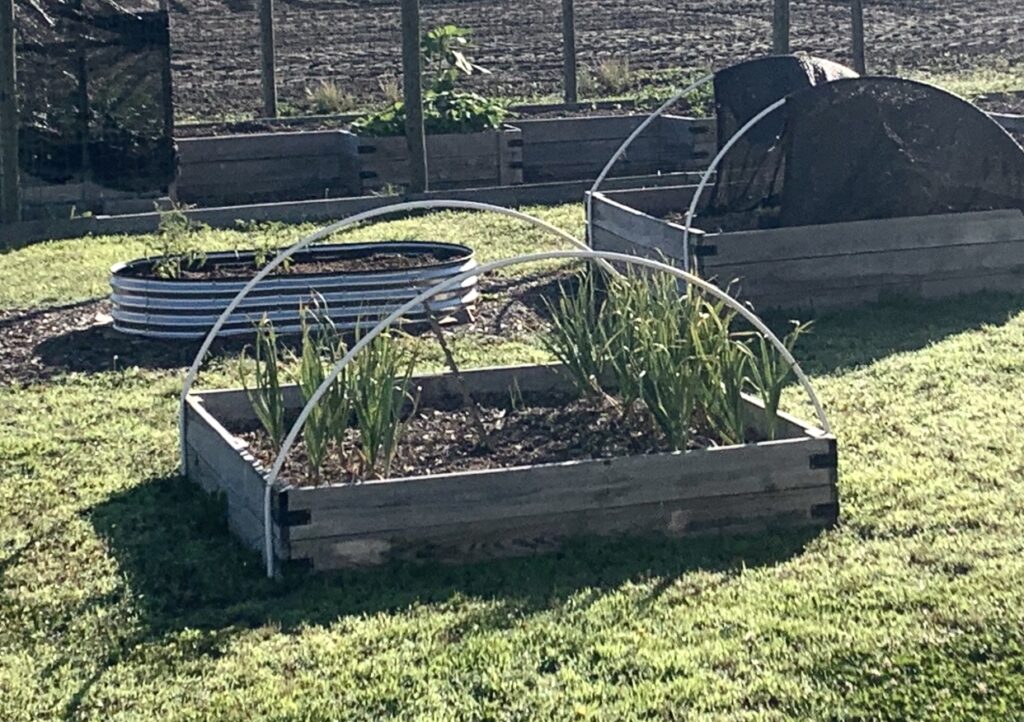
Embracing modern homesteading indoor gardening ideas allows anyone—whether living in an apartment or on a small plot of land—to grow fresh food, herbs, and even flowers year-round. With the right approach, you can transform any indoor space into a thriving, productive garden that supports a more self-sufficient lifestyle. From compact container setups to vertical gardens and hydroponic systems, there are countless ways to bring the principles of homesteading inside, regardless of your available space or experience level.
For those just starting out, it’s helpful to learn about how to grow onions from bulbs or explore other beginner-friendly crops. Integrating these techniques into your home can provide fresh produce, reduce grocery bills, and offer a rewarding sense of accomplishment.
Why Indoor Gardening Is Essential for Modern Homesteaders
Indoor gardening is more than just a hobby—it’s a practical solution for those seeking greater food security and sustainability. As urban spaces grow and climate conditions change, cultivating plants indoors ensures a steady supply of fresh greens, herbs, and even fruits. This approach also helps reduce reliance on store-bought produce, which often travels long distances and loses nutritional value along the way.
By adopting modern homesteading indoor gardening ideas, you gain control over your food sources, minimize waste, and create a healthier living environment. Indoor plants can improve air quality, boost mood, and provide a calming, green oasis right inside your home.
Getting Started: Choosing the Right Space and Containers
Before planting, assess your available indoor space. South-facing windows, sunrooms, and even unused corners can become productive garden spots. The key is to maximize natural light or supplement with grow lights if needed. Consider the following tips when setting up your indoor garden:
- Light: Most edible plants require at least 6 hours of sunlight per day. If natural light is limited, invest in full-spectrum LED grow lights.
- Containers: Use pots with drainage holes to prevent root rot. Recycled containers, hanging baskets, and window boxes are all excellent options for small spaces.
- Soil: Choose a high-quality potting mix designed for indoor use. Avoid using garden soil, which can harbor pests and diseases.
Top Indoor Crops for Self-Sufficiency
Not all plants thrive indoors, so it’s important to select varieties that adapt well to container life and limited sunlight. Here are some of the best choices for an indoor homestead:
- Leafy Greens: Lettuce, spinach, and kale grow quickly and can be harvested multiple times.
- Herbs: Basil, parsley, chives, and mint are compact and thrive on sunny windowsills.
- Root Vegetables: Radishes and green onions are fast-growing and require minimal space.
- Tomatoes and Peppers: Dwarf or patio varieties are bred for container gardening and can produce fruit indoors with adequate light.
- Microgreens: These nutrient-dense greens are easy to grow and ready to harvest in just a couple of weeks.
For more inspiration, check out this guide on best vegetables to grow at home for fresh produce, which includes options suitable for indoor environments.
Creative Vertical and Space-Saving Solutions
Space constraints are common in urban homes and apartments. Fortunately, vertical gardening and other space-saving techniques make it possible to grow more in less area. Here are a few strategies to consider:
- Vertical Planters: Wall-mounted pockets, stacked pots, or shelving units allow you to grow upwards instead of outwards.
- Hanging Gardens: Suspend baskets from the ceiling or window frames to utilize unused airspace.
- Hydroponic Systems: Soil-free setups can be compact and highly productive, perfect for growing herbs and greens indoors.
Maintaining a Thriving Indoor Edible Garden
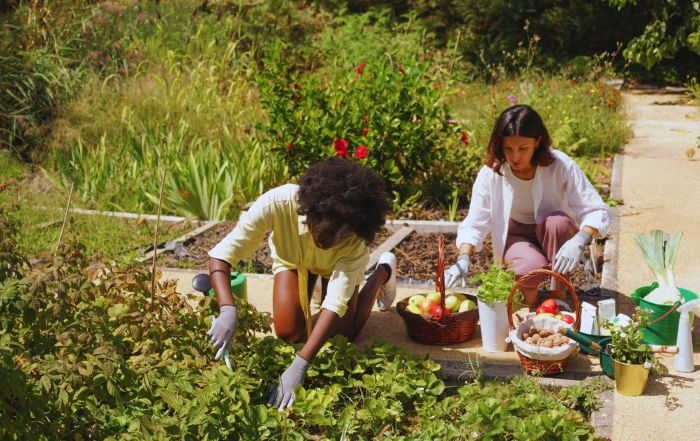
Once your indoor garden is established, regular care ensures healthy growth and consistent harvests. Here are some essential maintenance tips:
- Watering: Indoor plants typically need less water than outdoor ones. Check soil moisture regularly and avoid overwatering.
- Fertilizing: Use organic liquid fertilizers every few weeks to replenish nutrients in container soil.
- Pest Management: Inspect plants for pests like aphids or spider mites. Remove affected leaves and use natural remedies if necessary.
- Pruning: Regularly trim herbs and leafy greens to encourage bushier growth and prevent legginess.
Timing is also important. If you’re interested in seasonal planning, review tips on when to plant vegetables in spring to align your indoor efforts with natural cycles.
Integrating Indoor Gardening with Broader Homesteading Practices
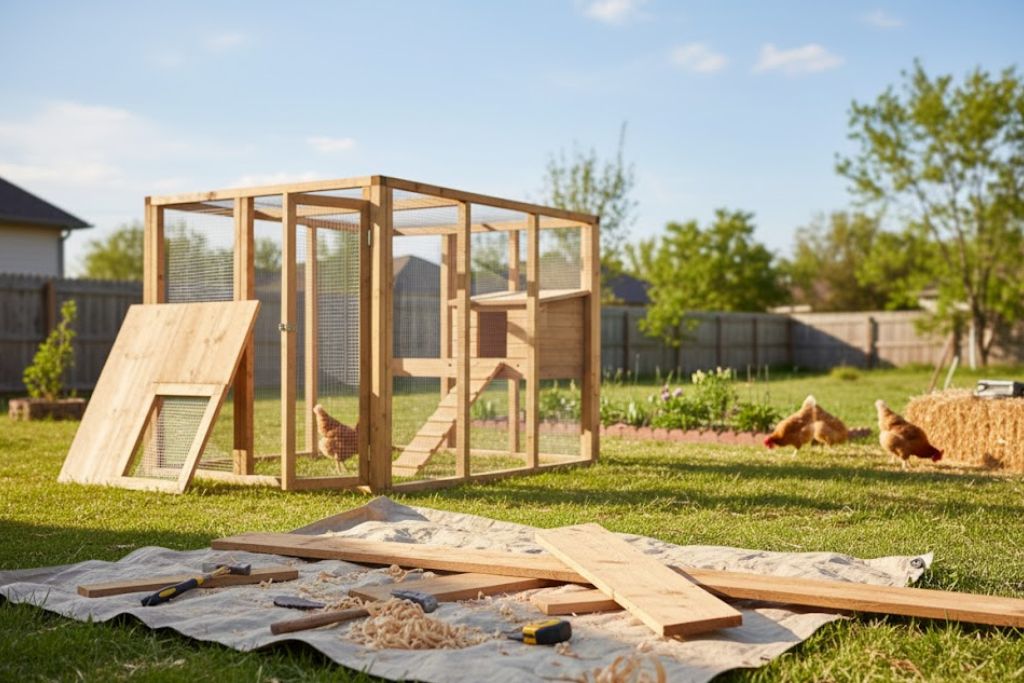
Bringing gardening indoors is just one aspect of a holistic, self-reliant lifestyle. Many homesteaders combine indoor growing with other sustainable practices, such as composting kitchen scraps, raising backyard chickens, or preserving homegrown produce. For a deeper dive into the philosophy and methods behind this movement, visit this comprehensive resource on homesteading that covers everything from beekeeping to food preservation.
As you expand your indoor garden, consider experimenting with new crops, techniques, and even small-scale aquaponics or mushroom cultivation. The possibilities are nearly endless, and each step brings you closer to greater independence and a healthier lifestyle.
Common Challenges and How to Overcome Them
While indoor gardening offers many benefits, it also comes with unique obstacles. Here are some common issues and practical solutions:
- Insufficient Light: If plants appear leggy or pale, supplement with grow lights and rotate pots regularly.
- Poor Air Circulation: Use a small fan to prevent fungal diseases and strengthen plant stems.
- Limited Space: Prioritize high-yield crops and use vertical or stacking systems to maximize productivity.
- Pest Infestations: Isolate new plants before introducing them to your main garden and maintain cleanliness to deter pests.
Learning from each challenge will help you refine your setup and enjoy better results over time. If you’re new to growing food indoors, start with easy vegetables for beginners to grow and gradually expand your skills.
FAQ
What are the easiest vegetables to grow indoors for beginners?
Some of the simplest crops for indoor cultivation include lettuce, spinach, radishes, and green onions. These plants require minimal space, grow quickly, and don’t need complex care routines. Herbs like basil and parsley are also excellent starter options.
How can I ensure my indoor plants get enough light?
Place your containers near south-facing windows to maximize natural sunlight. If that’s not possible, use full-spectrum LED grow lights, which mimic sunlight and support healthy plant growth year-round. Adjust the height and duration of lighting based on the needs of each crop.
Can I grow fruiting plants like tomatoes or peppers indoors?
Yes, but it’s best to choose dwarf or patio varieties specifically bred for containers. These plants need plenty of light—at least 8 hours per day—and may benefit from hand-pollination if grown indoors. With the right conditions, you can enjoy homegrown tomatoes and peppers even in small spaces.