Harnessing the power of the sun for cooking is both practical and sustainable, especially for those living off the grid or seeking to reduce their reliance on traditional energy sources. Solar ovens off-grid provide a unique solution for preparing meals without electricity, propane, or firewood. These innovative devices use sunlight to generate heat, making them ideal for homesteaders, campers, and anyone interested in eco-friendly living.
Whether you’re looking to lower your carbon footprint, prepare for emergencies, or simply enjoy the experience of solar cooking, understanding how these ovens work and how to use them effectively can open up new possibilities for your kitchen. If you’re also exploring ways to maximize your garden harvest, check out this guide on how to grow onions from bulbs for more self-sufficiency tips.
How Solar Ovens Work for Off-Grid Cooking
At their core, solar ovens off-grid rely on simple yet effective principles of physics. They capture and concentrate sunlight, converting it into heat that cooks food. Most models use reflective panels or parabolic mirrors to direct sunlight into an insulated cooking chamber. This chamber traps heat, often reaching temperatures between 250°F and 400°F (120°C–200°C), depending on design and weather conditions.
There are several types of solar cookers:
- Box ovens: Insulated boxes with a transparent lid and reflective panels, suitable for baking and slow cooking.
- Panel cookers: Foldable reflectors that direct sunlight onto a dark pot, ideal for simmering and simple meals.
- Parabolic cookers: Curved mirrors that focus sunlight to a single point, generating higher temperatures for grilling or frying.
Solar ovens require minimal maintenance and no fuel, making them a reliable choice for remote living or emergency preparedness.
Benefits of Using Solar Ovens Off the Grid
Choosing to cook with the sun offers a range of advantages, especially for those living in rural or off-grid settings:
- Energy independence: No need for gas, electricity, or wood—just sunlight.
- Cost savings: Once purchased, solar ovens have virtually no operating costs.
- Eco-friendly: Solar cooking produces no emissions and reduces reliance on fossil fuels.
- Safety: No open flames or risk of carbon monoxide, making them safer for use around children and pets.
- Portability: Many models are lightweight and foldable, perfect for camping or travel.
Solar ovens are particularly useful during power outages or in areas where fuel is scarce or expensive. They also align well with sustainable homesteading practices, complementing other off-grid solutions like rainwater harvesting and organic gardening.
Choosing the Right Solar Cooker for Your Needs
When selecting a solar oven for off-grid use, consider your cooking habits, location, and budget. Here are some factors to keep in mind:
- Capacity: Larger families may need a bigger oven, while solo campers can opt for compact models.
- Temperature range: Parabolic cookers reach higher temperatures for grilling, while box and panel ovens are better for baking and slow cooking.
- Portability: If you plan to travel or camp, choose a lightweight, foldable design.
- Durability: Look for sturdy materials that can withstand outdoor conditions.
- Ease of use: Some solar ovens require frequent repositioning to track the sun, while others are more forgiving.
Reading reviews and comparing features can help you find the best fit. For those growing their own produce, pairing a solar oven with fresh vegetables from your garden is a great way to enjoy truly sustainable meals. If you have limited space, you might also be interested in how to grow vegetables in small spaces to maximize your harvests.
Tips for Successful Solar Cooking Off the Grid
Getting the most out of your solar oven requires a bit of practice and planning. Here are some practical tips:
- Choose sunny days: Solar ovens work best in direct sunlight. Cloudy or rainy weather will slow cooking times.
- Preheat the oven: Allow the cooker to heat up before adding food for more consistent results.
- Use dark, thin cookware: Dark pots absorb more heat, speeding up the cooking process.
- Cut food into small pieces: Smaller portions cook faster and more evenly.
- Check and reposition: Adjust the oven’s angle every hour or so to keep it facing the sun.
- Plan for longer cook times: Solar ovens are generally slower than conventional ovens, so start meals earlier in the day.
Experiment with different recipes and techniques to find what works best for your location and climate. Solar baking, slow-cooked stews, and even bread are all possible with the right approach.
Integrating Solar Cooking into a Sustainable Lifestyle
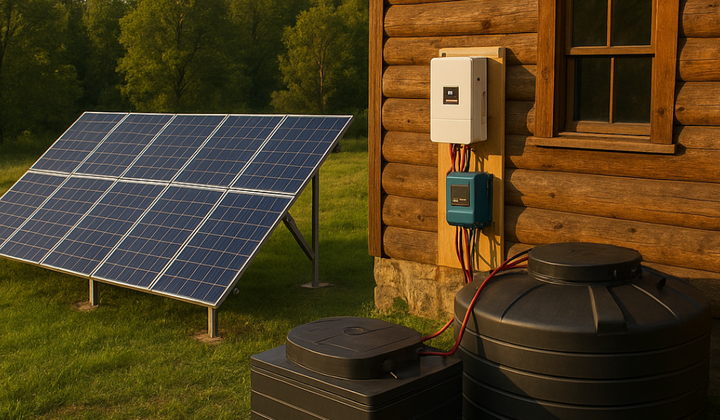
Solar ovens are just one part of a broader off-grid lifestyle. Many homesteaders combine solar cooking with rainwater collection, composting, and organic gardening to create a resilient, self-sufficient home. Growing your own food and preparing it with renewable energy reduces your environmental impact and increases your independence.
If you’re interested in expanding your skills, you might want to learn about the best vegetables to grow at home or discover easy vegetables for beginners to grow. These resources can help you make the most of your solar oven by providing a steady supply of fresh, homegrown ingredients.
For those considering a more radical shift, there are helpful resources on how to live off the grid with minimal financial resources, offering practical advice for building a sustainable, low-cost lifestyle.
Common Challenges and How to Overcome Them
While solar ovens offer many benefits, there are some challenges to be aware of:
- Weather dependency: Solar cooking is less effective on cloudy or rainy days. Having a backup cooking method is wise.
- Longer cook times: Meals may take several hours, so plan accordingly and start early.
- Limited nighttime use: Solar ovens only work when the sun is shining, so evening meals require advance preparation.
- Learning curve: It may take time to adjust recipes and techniques for solar cooking.
With patience and practice, most users find that these hurdles are manageable, especially when balanced against the long-term savings and sustainability benefits.
Frequently Asked Questions
What foods can I cook in a solar oven?
Solar ovens are versatile and can be used to bake bread, roast vegetables, cook stews, make rice, and even bake cakes. Most recipes that work in a conventional oven can be adapted for solar cooking, though you may need to adjust cook times and use dark, thin cookware for best results.
How do I clean and maintain a solar oven?
Most solar ovens require minimal maintenance. Wipe down the interior and exterior with a damp cloth after use, and clean the reflectors with a soft, non-abrasive material to keep them shiny. Store the oven in a dry place when not in use to prevent damage from moisture or pests.
Is solar cooking safe?
Yes, solar ovens are generally very safe. They do not produce open flames or toxic fumes, reducing the risk of burns or carbon monoxide poisoning. However, the cooking chamber and cookware can become hot, so use oven mitts or tongs when handling food.
Can I use a solar oven in winter?
Solar ovens can be used year-round as long as there is direct sunlight. While cold temperatures may slow cooking times, the sun’s rays are still strong enough to heat the oven. Positioning the cooker to maximize sun exposure and using insulated containers can help maintain higher temperatures.
Conclusion
Cooking with the sun is a practical, sustainable, and rewarding way to prepare meals off the grid. By choosing the right solar oven, learning effective techniques, and integrating solar cooking into your daily routine, you can enjoy delicious food while reducing your reliance on traditional fuels. For those interested in timing their garden for optimal harvests, consider reading about when to plant vegetables in spring to further enhance your self-sufficient lifestyle.