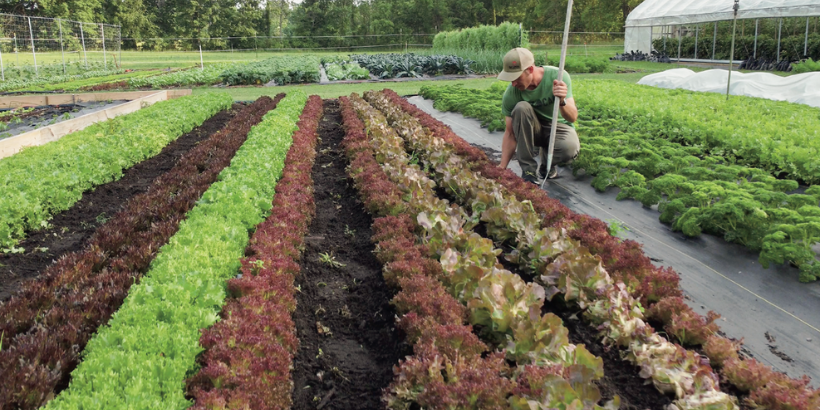
Transforming a compact area into a productive kitchen garden is more achievable than ever. Whether you live in an apartment, have a small backyard, or simply want to maximize your growing space, small-space kitchen gardening offers a practical solution for fresh, homegrown produce. With the right strategies, containers, and plant choices, you can enjoy herbs, vegetables, and even fruit in the smallest of spaces.
This guide covers essential tips for setting up a thriving mini-garden, from choosing containers to selecting crops that flourish in limited environments. If you’re eager to start harvesting your own food but feel limited by space, you’ll find actionable advice here to help you succeed.
For those interested in maximizing yields in tight quarters, our article on how to grow vegetables in small spaces offers additional inspiration and step-by-step guidance.
Why Try Small-Space Kitchen Gardening?
Urban living and smaller homes often mean less outdoor space, but that doesn’t have to limit your gardening ambitions. Compact kitchen gardens can:
- Provide a steady supply of fresh, flavorful produce right at your doorstep
- Reduce grocery bills and food miles
- Offer a rewarding, stress-relieving hobby
- Allow for creative use of balconies, patios, windowsills, and vertical surfaces
With a bit of planning, even a sunny windowsill or a small balcony can become a productive green space.
Getting Started: Planning Your Compact Garden
Before you start planting, assess your available space and sunlight. Most edible plants need at least 4–6 hours of direct sunlight daily. Observe where the sun hits your space throughout the day and plan accordingly. Consider these key factors:
- Sunlight: South-facing balconies or windows get the most light. East and west exposures are also suitable for many crops.
- Accessibility: Choose spots that are easy to reach for watering and harvesting.
- Protection: If your area is windy or exposed, consider using screens or railings for shelter.
Choosing the Right Containers for Small Spaces
Containers are the backbone of small-space kitchen gardening. They allow you to grow almost anywhere and move plants as needed. Here are some popular options:
- Traditional Pots: Available in many sizes and materials, ideal for herbs and compact vegetables.
- Raised Beds: Shallow, elevated beds can be placed on patios or rooftops.
- Fabric Grow Bags: Lightweight, breathable, and easy to store when not in use.
- Vertical Planters: Wall-mounted pockets or stacked containers maximize vertical space.
Ensure all containers have good drainage to prevent root rot. Use high-quality potting mix for best results.

Best Crops for Limited Kitchen Gardens
When space is at a premium, choose crops that are productive, compact, and well-suited for containers. Some of the best vegetables to grow at home in small spaces include:
- Leafy greens: Lettuce, spinach, arugula, and kale grow quickly and can be harvested multiple times.
- Herbs: Basil, parsley, cilantro, chives, and mint thrive in pots and provide fresh flavor for your meals.
- Compact tomatoes: Look for bush or dwarf varieties bred for containers.
- Radishes and carrots: Choose round or short-rooted types for shallow containers.
- Peppers: Many hot and sweet pepper varieties do well in pots.
For beginners, check out our list of easy vegetables for beginners to grow to get started with confidence.
Soil, Watering, and Fertilizing Tips
Healthy plants start with healthy soil. Use a high-quality, organic potting mix designed for containers. Avoid using garden soil, which can be too dense and may harbor pests or diseases.
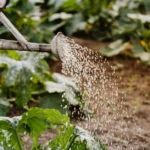
Watering is crucial in container gardens, as pots dry out faster than ground beds. Check moisture daily, especially during hot weather. Water deeply until excess drains from the bottom, but avoid letting containers sit in water.
Fertilize regularly with a balanced, slow-release fertilizer or organic liquid feed. Container plants use up nutrients quickly, so consistent feeding supports strong growth and better yields.

Maximizing Vertical and Indoor Growing
One of the best ways to expand your growing area is to think vertically. Use shelves, hanging baskets, or wall-mounted planters to grow upwards instead of outwards. Indoors, supplement natural light with LED grow lights to ensure healthy plant development, especially during winter or in low-light spaces.
For those interested in more advanced techniques, this introduction to modern homesteading podcast explores creative solutions for maximizing food production in any environment.
Harvesting and Maintaining Your Mini-Garden
Regular harvesting encourages most crops to keep producing. Pick leafy greens and herbs frequently to promote new growth. Remove any yellowing leaves or spent plants to keep your garden tidy and disease-free.
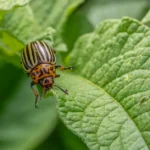
Monitor for pests like aphids or spider mites, which can be more noticeable in container gardens. Use organic methods such as hand-picking, insecticidal soap, or introducing beneficial insects to keep problems in check.
Rotate crops and refresh soil between plantings to maintain nutrient balance and reduce disease risk. For more on preparing your soil, see our guide on how to prepare soil for planting vegetables.
Common Challenges and Solutions in Small-Space Kitchen Gardening
While compact gardening is rewarding, it comes with unique challenges. Here’s how to address some of the most common issues:
- Limited sunlight: Use reflective surfaces or supplemental grow lights to boost available light.
- Overcrowding: Stick to recommended plant spacing and prune regularly to maintain airflow.
- Watering difficulties: Self-watering containers or drip irrigation systems can help maintain consistent moisture.
- Pest pressure: Inspect plants often and act quickly at the first sign of trouble.
With a little observation and adjustment, most problems can be solved quickly, keeping your garden healthy and productive.
FAQs About Small-Space Kitchen Gardening
What are the easiest vegetables to grow in a small kitchen garden?
Leafy greens like lettuce and spinach, herbs such as basil and parsley, and compact varieties of tomatoes and peppers are among the easiest and most productive choices for limited spaces.
How often should I water my container plants?
Check your containers daily. Most will need watering once a day during hot weather, but always test the soil with your finger—water when the top inch feels dry.
Can I grow root vegetables in small containers?
Yes, but choose varieties bred for containers, such as round carrots or radishes. Use deep enough pots and loose, well-draining soil for best results.
Conclusion
Growing food in a compact area is both practical and rewarding. By choosing the right containers, crops, and care techniques, you can enjoy a productive kitchen garden no matter how little space you have. For more tips on starting specific crops, see our guide on how to grow onions from bulbs.
With thoughtful planning and regular care, your small-space garden can provide fresh ingredients and a sense of accomplishment all year round.