Urban gardeners and homesteaders often face the challenge of producing more food in limited areas. Fortunately, small-space intercropping ideas can help you maximize every square foot, leading to healthier plants and bigger harvests. By carefully pairing compatible crops and using vertical and layered planting techniques, you can boost productivity, reduce pests, and make the most of your growing season—even in compact backyards or balcony gardens.
Intercropping is the practice of growing two or more crops together in proximity. When done thoughtfully, it creates a mini-ecosystem where plants support each other, improve soil health, and use resources like sunlight and water more efficiently. Whether you’re working with raised beds, containers, or a tiny plot, these strategies can transform your approach to food production.
For those just starting out, learning how to grow vegetables in small spaces can provide a solid foundation for integrating intercropping techniques into your garden plan.
Understanding Intercropping for Limited Spaces
Intercropping isn’t just for large farms. In fact, it’s especially useful in small gardens where every inch counts. The key is to select crops that complement each other in terms of growth habit, nutrient needs, and timing. This approach allows you to:
- Increase yields by harvesting multiple crops from the same area.
- Suppress weeds with dense planting and ground covers.
- Reduce pests and diseases by diversifying plant species.
- Enhance soil fertility through strategic plant pairings.
By using these methods, even a small patio or balcony can become a productive food source.
Best Crop Pairings for Compact Gardens
Choosing the right combinations is crucial for success. Here are some tried-and-true small-space intercropping ideas that work well in containers, raised beds, or tight garden rows:
- Leafy greens and root vegetables: Lettuce, spinach, or arugula can be sown above carrots, radishes, or beets. The greens mature quickly and can be harvested before the root crops need more space.
- Beans and corn: Pole beans can climb corn stalks, saving space and providing natural support. Beans also fix nitrogen, benefiting the corn.
- Tomatoes and basil: These classic companions thrive together. Basil can help repel pests and improve tomato flavor, while fitting neatly around the base of tomato plants.
- Peas and leafy greens: Peas grow vertically and can shade tender greens during hot weather, extending their harvest.
- Onions and carrots: Their scents confuse pests, and their roots occupy different soil layers.
For more details on cultivating specific crops, you might find this guide on how to grow onions from bulbs helpful.
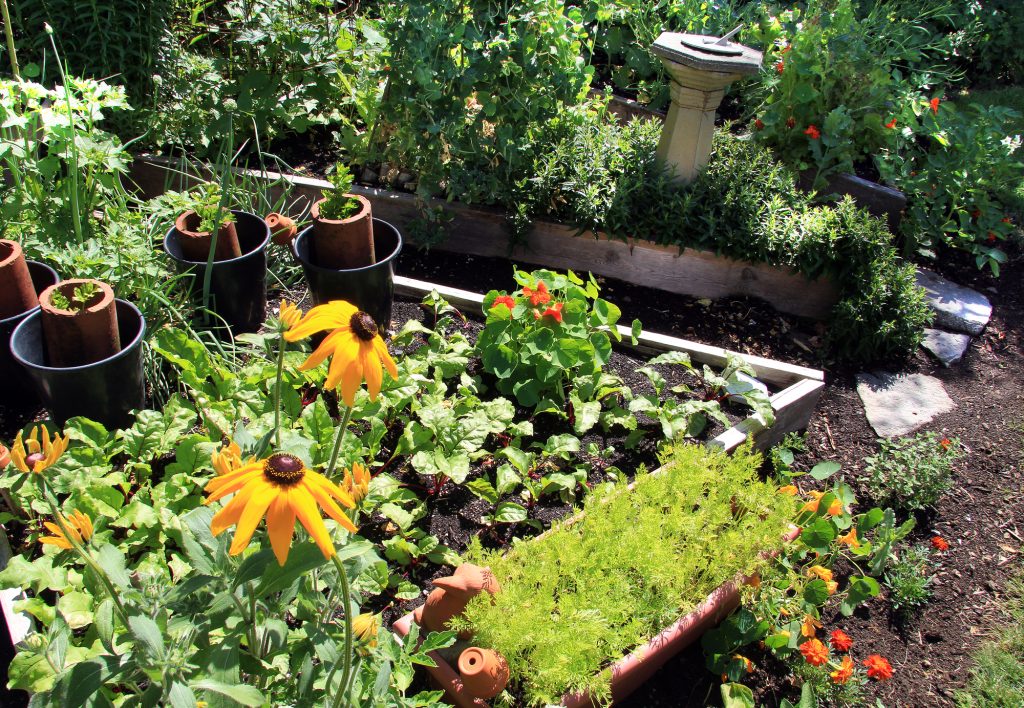
Layering and Vertical Techniques for Maximum Output
Utilizing vertical space and layering crops is a cornerstone of efficient intercropping in small gardens. Here are some practical approaches:
- Vertical trellises: Grow vining crops like cucumbers, peas, or beans upward. This frees up ground space for low-growing plants such as lettuce or radishes beneath.
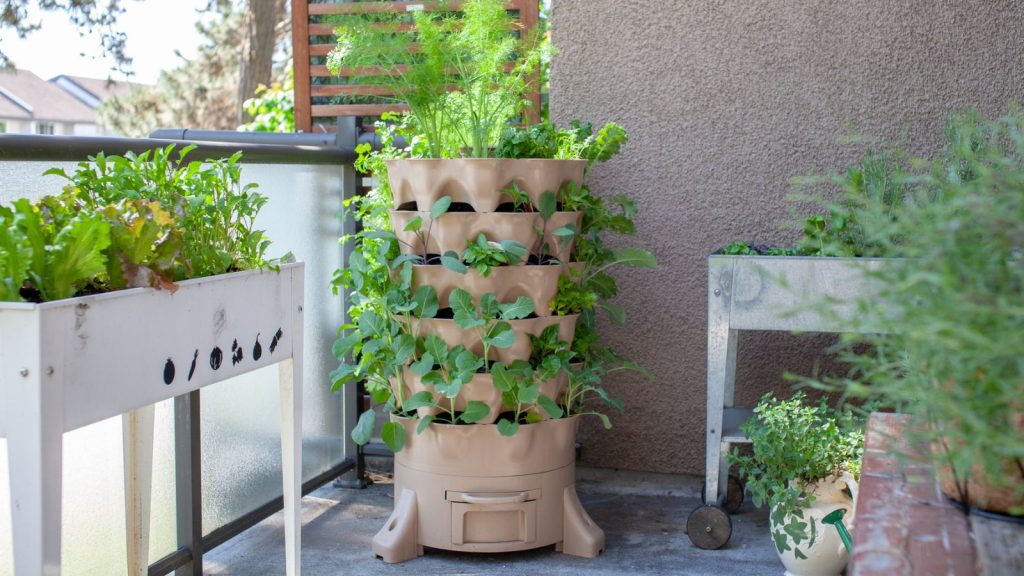
- Stacked planters: Use tiered containers or shelves to grow herbs, strawberries, or leafy greens at different heights.
- Understory planting: Place shade-tolerant crops (like spinach or chard) beneath taller plants (such as tomatoes or peppers) to make use of filtered light.
- Succession planting: After harvesting a quick-growing crop, immediately plant another to keep beds productive throughout the season.
Combining these methods with careful crop selection can dramatically increase your harvest, even in the smallest spaces.
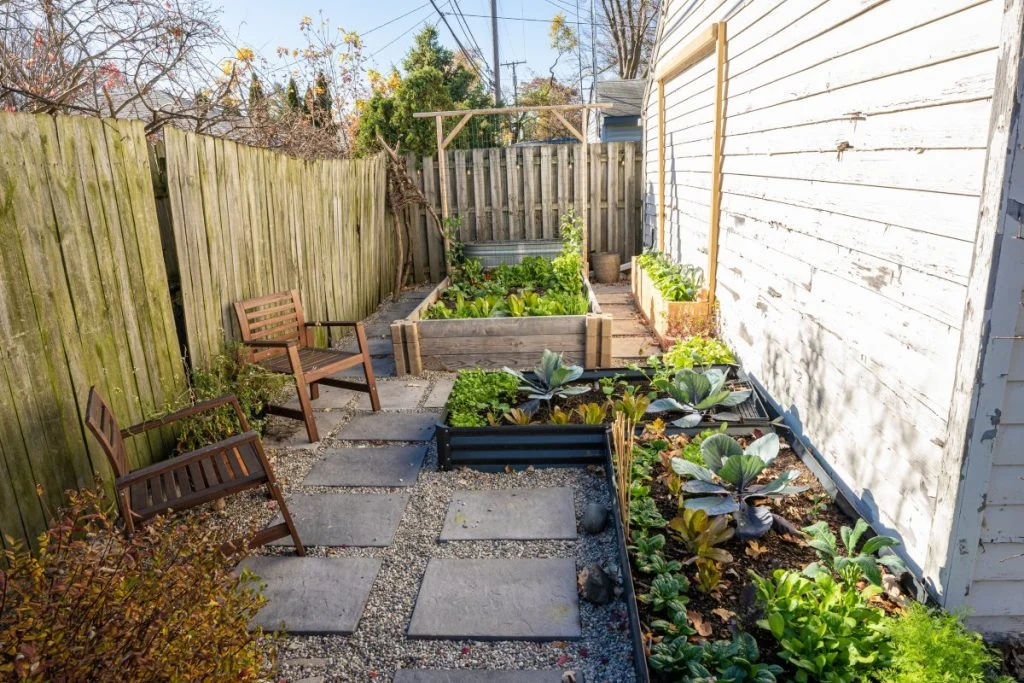
Tips for Planning and Maintaining an Intercropped Garden
To get the most from your compact garden, consider these practical tips:
- Map your space: Sketch your beds or containers and plan where each crop will go. Factor in sunlight, plant height, and harvest times.
- Stagger planting dates: Sow fast-maturing crops alongside slower ones to keep the soil covered and productive.
- Rotate crops: Change plant locations each season to prevent soil depletion and reduce disease risk.
- Monitor moisture and nutrients: Densely planted beds may require more frequent watering and feeding. Use compost and organic fertilizers to maintain soil health.
- Observe and adjust: Watch how your combinations perform and tweak your approach each season for better results.
For more inspiration, check out the best vegetables to grow at home and discover varieties that thrive in tight quarters.
Common Mistakes to Avoid with Intensive Planting
While intercropping offers many benefits, certain pitfalls can reduce its effectiveness:
- Overcrowding: Too many plants can compete for light, water, and nutrients, leading to stunted growth. Follow recommended spacing guidelines, even when mixing crops.
- Incompatible pairings: Some plants, like fennel, don’t play well with others. Research compatibility before planting.
- Poor timing: Planting crops with vastly different growth rates can result in one shading out the other. Match crops with similar or complementary timelines.
- Neglecting maintenance: Dense plantings require regular monitoring for pests, diseases, and nutrient needs.
By avoiding these mistakes, you’ll set yourself up for a more productive and healthier garden.
Expanding Your Knowledge and Resources
If you’re interested in the broader context of growing your own food and living more sustainably, learning about the principles of homesteading can offer valuable insights. Homesteading encourages resourcefulness and self-sufficiency, both of which are at the heart of intensive gardening methods.
For those new to gardening, starting with easy vegetables for beginners to grow can build confidence and provide quick wins as you experiment with intercropping strategies.
Frequently Asked Questions
What are the best crops to pair in a small intercropped garden?
Some of the most effective combinations include leafy greens with root vegetables, beans with corn, and tomatoes with basil. These pairings take advantage of different growth habits and nutrient needs, allowing you to maximize your space and harvest.
How do I prevent overcrowding when using intercropping methods?
Carefully follow recommended spacing for each crop, even when mixing species. Plan your layout in advance, and avoid planting too many large or aggressive growers together. Regular thinning and observation will help maintain healthy growth.
Can intercropping help reduce pests and diseases?
Yes, mixing different plant species can confuse pests and interrupt the spread of diseases. For example, planting onions with carrots can deter carrot flies, while basil near tomatoes may repel certain insects. Diversity in the garden creates a more resilient ecosystem.
Is it possible to use intercropping techniques in containers?
Absolutely. Many small-space intercropping ideas work well in containers or grow bags. Choose compact or dwarf varieties, and combine crops with compatible growth habits to make the most of your available space.
By implementing these strategies and learning from each season, you can transform even the smallest garden into a productive, vibrant space. For more seasonal tips, see advice on when to plant vegetables in spring and keep your garden thriving year-round.