Spring is a pivotal time for anyone embracing modern homesteading. As the days grow longer and the soil begins to warm, planning and executing a successful spring planting schedule can set the tone for a productive year. Whether you’re working with a spacious rural plot or a compact urban backyard, a well-organized approach to spring planting helps ensure healthy crops, efficient use of space, and a rewarding harvest.
This guide covers the essentials of spring planting for today’s homesteaders—offering practical advice on timing, crop selection, soil preparation, and sustainable practices. If you’re just starting out or looking to refine your approach, you’ll find actionable steps and helpful resources to make the most of your growing season. For those interested in learning more about the philosophy and lifestyle behind this movement, check out this comprehensive introduction to modern homesteading.
Before diving into the details, it’s crucial to understand the importance of timing. Knowing when to plant vegetables in spring can make all the difference in crop success, especially for those new to homesteading or gardening in a new region.
Getting Started with Your Spring Planting Plan
Preparation is the foundation of a productive homestead garden. Begin by assessing your available space, sunlight, and soil quality. Even if you have limited room, you can still grow a variety of crops—urban gardeners may benefit from strategies like raised beds or container gardening. For more advice on maximizing small plots, see these tips on how to grow vegetables in small spaces.
Key steps to prepare for spring planting include:
- Testing soil for pH and nutrient levels to determine if amendments are needed.
- Clearing debris and weeds from garden beds to reduce competition for resources.
- Planning crop rotation to prevent soil depletion and manage pests.
- Mapping your garden to optimize plant placement based on sunlight and companion planting.
Choosing the Right Crops for a Modern Homestead
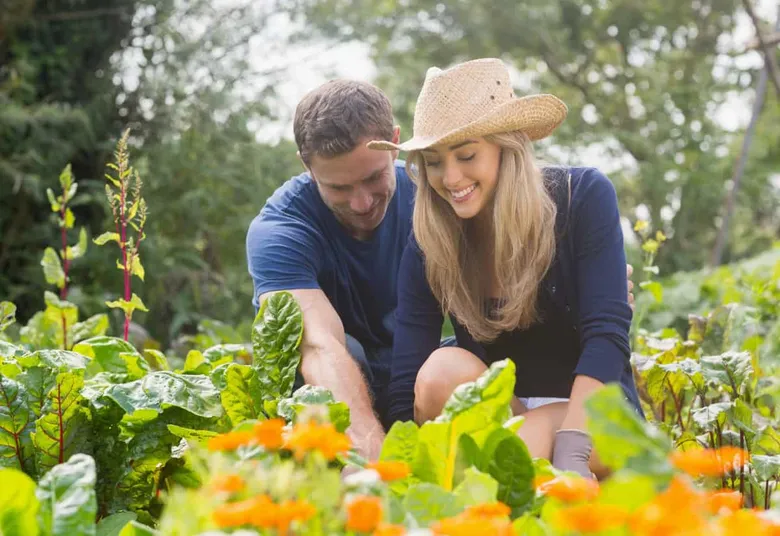
One of the most exciting aspects of spring is selecting which vegetables, herbs, and fruits to grow. For those following a modern homesteading spring planting guide, it’s wise to focus on crops that are both productive and suited to your climate. Consider your family’s preferences, storage capabilities, and the time you can dedicate to maintenance.
Popular choices for spring planting include:
- Leafy greens (lettuce, spinach, kale)
- Root vegetables (carrots, beets, radishes)
- Alliums (onions, garlic, shallots)
- Legumes (peas, beans)
- Brassicas (broccoli, cabbage, cauliflower)
For a deeper dive into specific crops, you might find this guide on how to grow onions from bulbs especially useful. Beginners can also explore the top easy vegetables for beginners to grow to ensure early success.
Timing and Techniques for Successful Spring Planting
Timing is everything in the garden. Each crop has its own optimal window for sowing, which depends on your local climate and last frost date. Consult local extension services or planting calendars to determine the best schedule for your area. Staggering plantings can help extend your harvest and reduce the risk of losing everything to a late frost or pest outbreak.
Some practical tips for spring planting:
- Start seeds indoors for crops with a long growing season, such as tomatoes and peppers.
- Direct sow hardy vegetables like peas and spinach as soon as the soil can be worked.
- Use row covers or cold frames to protect young plants from unpredictable spring weather.
- Mulch early to suppress weeds and retain moisture as temperatures rise.
For those looking to maximize their harvest, check out this list of the best vegetables to grow at home for fresh produce all season long.
Soil Health and Sustainable Practices for Homesteaders
Maintaining healthy soil is a cornerstone of productive homesteading. Sustainable practices not only improve yields but also protect the environment and reduce reliance on synthetic inputs. Incorporate organic matter such as compost or well-rotted manure to boost fertility and soil structure. Avoid over-tilling, which can disrupt beneficial organisms and lead to erosion.
Other sustainable strategies include:
- Crop rotation to break pest and disease cycles.
- Cover cropping in off-seasons to add nutrients and prevent soil loss.
- Integrated pest management (IPM) to minimize chemical use and encourage beneficial insects.
- Water conservation through drip irrigation, mulching, and rainwater harvesting.
By adopting these methods, you’ll build a resilient garden that supports both your family and the ecosystem.
Maximizing Yields and Enjoying the Harvest
Once your spring crops are established, ongoing care is essential. Regular weeding, watering, and monitoring for pests will help your plants thrive. Succession planting—sowing new seeds every few weeks—can keep your garden productive throughout the season. Don’t forget to keep records of what you plant, when you plant it, and how each crop performs. This information will be invaluable for planning future gardens.
Sharing surplus produce with neighbors or preserving it for later use are both rewarding aspects of the homesteading lifestyle. Whether you’re canning, fermenting, or simply enjoying fresh salads, the fruits of your labor will bring satisfaction and nourishment.
Frequently Asked Questions
What are the first steps to take before spring planting?
Begin by testing your soil, clearing garden beds of debris, and planning your crop layout. Assess your available space and sunlight, and decide which crops are best suited to your climate and needs.
How do I know when to plant each vegetable?
Research the last frost date for your area and consult local planting calendars. Hardy crops like peas and spinach can be sown early, while tender plants should wait until the risk of frost has passed. Staggering plantings can also help extend your harvest.
What are some sustainable practices for modern homesteaders?
Focus on building healthy soil with compost, practicing crop rotation, using cover crops, and conserving water. Integrated pest management and minimal tillage also contribute to a more sustainable and productive garden.