Embracing an off-grid tiny house design is a practical step toward a more sustainable and independent lifestyle. These compact homes are thoughtfully crafted to minimize environmental impact while maximizing efficiency and comfort. Whether you’re seeking to reduce your reliance on public utilities, lower your living expenses, or simply enjoy a closer connection to nature, designing a self-sufficient tiny home offers a wealth of possibilities.
From energy solutions to water management and food production, every aspect of an autonomous tiny house requires careful planning. As you explore the essentials of off-grid living, you’ll discover that small spaces can be both functional and stylish. For those interested in growing their own food in limited areas, this guide pairs well with resources like how to grow vegetables in small spaces, which can help maximize your home’s productivity.

Key Elements of a Self-Sufficient Tiny Home
Designing a compact dwelling that operates independently from traditional utilities involves integrating several core systems. Below are the most important components to consider when planning your own off-grid tiny house design:
- Renewable energy sources such as solar panels or wind turbines
- Efficient water collection and filtration systems
- Composting or incinerating toilets
- Thermal insulation and passive heating/cooling techniques
- Space-saving storage and multi-functional furniture
Each of these features plays a crucial role in making your home comfortable, affordable, and environmentally responsible.
Energy Solutions for Off-Grid Living
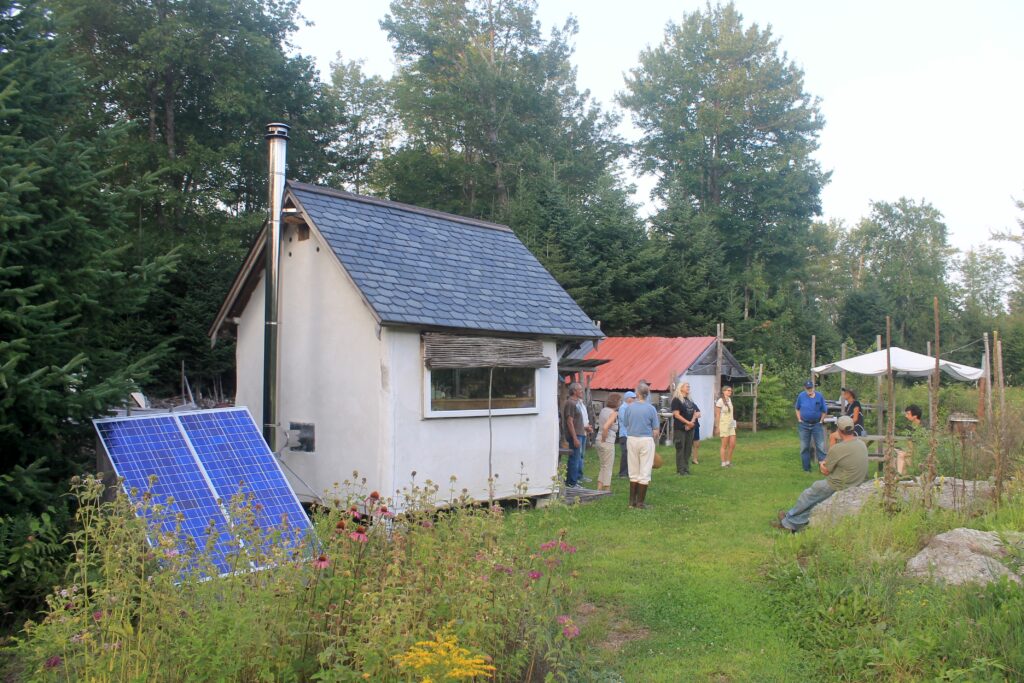
Reliable power is essential for any self-reliant home. Most tiny homeowners choose solar panels as their primary energy source due to their scalability and decreasing cost. A typical setup includes photovoltaic panels, a battery bank for storage, an inverter, and a charge controller. For those in windy regions, small wind turbines can supplement solar energy, especially during cloudy periods.
To maximize efficiency, prioritize LED lighting, energy-efficient appliances, and low-voltage systems. Incorporating passive solar design—such as south-facing windows and thermal mass—can further reduce the need for artificial heating and cooling. For a deeper dive into the realities and challenges of independent living, check out this comprehensive overview of off-grid homesteading essentials.
Water Collection and Management in Tiny Homes
Securing a consistent water supply is a top priority for any off-grid residence. Rainwater harvesting is a popular solution, especially when paired with filtration and purification systems. Gutters direct rain from the roof into storage tanks, which can be sized according to your household’s needs. Gravity-fed or solar-powered pumps can then deliver water to sinks, showers, and gardens.
Greywater recycling—reusing water from sinks and showers for irrigation—further reduces waste and supports sustainable gardening. For sanitation, composting toilets are a low-maintenance, eco-friendly alternative to septic systems, converting waste into usable compost for non-edible plants.
Maximizing Food Production in Small Spaces
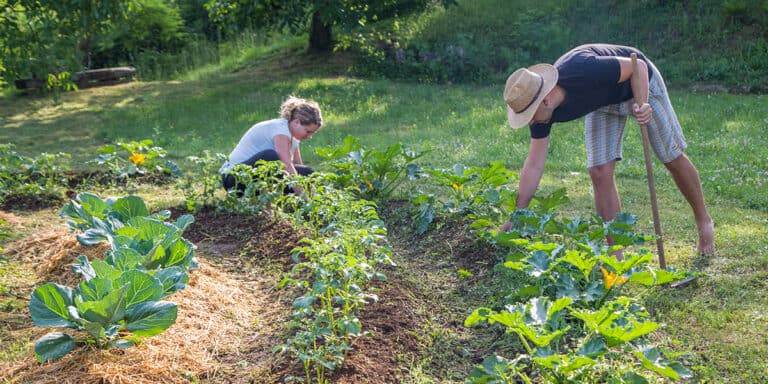
Growing your own food is a cornerstone of self-sufficiency. Even with limited square footage, it’s possible to cultivate a productive garden. Raised beds, vertical planters, and container gardens make the most of available space. Choose high-yield, compact crops such as leafy greens, herbs, tomatoes, and root vegetables. For those new to gardening, resources like best vegetables to grow at home can help you select the most rewarding varieties.
Integrating a small greenhouse or cold frame can extend your growing season, while companion planting and permaculture principles boost yields and minimize pests. If you keep chickens or other small livestock, consider mobile coops and rotational grazing to maintain soil health and provide fresh eggs or meat.
Smart Storage and Space Optimization
One of the biggest challenges in a tiny home is making the most of every inch. Built-in furniture, lofted sleeping areas, and under-floor storage help maximize usable space. Multi-purpose furnishings—like a dining table that doubles as a workspace or a sofa with hidden compartments—add flexibility without clutter.
Consider using open shelving for frequently used items and closed cabinets for less attractive necessities. Hooks, racks, and fold-down surfaces can further expand your storage options. Keeping your belongings organized and minimal will make your home feel larger and more comfortable.
Passive Heating, Cooling, and Insulation
Maintaining a comfortable indoor climate is essential for year-round off-grid living. Good insulation—using materials like sheep’s wool, recycled denim, or foam board—reduces the need for active heating and cooling. Orient your home to take advantage of natural sunlight in winter and shade in summer. Overhangs, awnings, and deciduous trees can provide seasonal protection.
For heating, consider a small wood stove, propane heater, or radiant floor system. In hot climates, use cross-ventilation, ceiling fans, and reflective roofing to keep temperatures down. Thoughtful design can significantly reduce your energy needs and improve overall comfort.
Common Challenges and How to Overcome Them
Living independently comes with unique hurdles, from managing limited resources to adapting to a smaller footprint. Some common issues include:
- Learning to balance energy consumption with available supply
- Adjusting to composting toilets and alternative waste systems
- Storing enough food and water for emergencies
- Staying organized in a compact space
Preparation and flexibility are key. Start with a realistic assessment of your needs and habits, and be willing to adapt your systems as you gain experience. For more tips on starting your journey, explore guides on easy vegetables for beginners to grow and other beginner-friendly resources.
Frequently Asked Questions
What is the best energy source for a remote tiny home?
Solar panels are the most popular choice due to their reliability and ease of installation. In areas with consistent wind, a small turbine can supplement solar power. Always size your system based on your actual energy needs and local climate conditions.
How do you manage waste in an off-grid tiny house?
Most off-grid homes use composting or incinerating toilets, which require little maintenance and no connection to a sewer system. Greywater from sinks and showers can be filtered and reused for irrigation, further reducing waste.
Can you grow enough food to be self-sufficient in a tiny house?
While space is limited, it’s possible to grow a significant portion of your own food using raised beds, vertical gardens, and intensive planting methods. Focus on high-yield crops and consider supplementing with small livestock like chickens for eggs or meat.
Conclusion
Designing a home that operates independently from public utilities is a rewarding challenge that fosters resilience and sustainability. By carefully planning your energy, water, waste, and food systems, you can enjoy the freedom and simplicity of off-grid living. For those just starting out, resources on how to grow onions from bulbs or when to plant vegetables in spring can help you make the most of your garden space. With thoughtful design and a willingness to adapt, your tiny home can offer comfort, independence, and a deeper connection to the land.