Making the switch to off-grid solar power for beginners is an exciting step toward energy independence and sustainability. Whether you’re planning to power a tiny home, cabin, or rural property, understanding the basics of solar setups and their costs is essential. This article breaks down the core components, setup process, and realistic expenses involved, so you can make informed decisions and avoid common pitfalls as you embark on your solar journey.
For those new to homesteading, it’s helpful to explore related topics such as fencing, gardening, and livestock care. If you’re interested in learning more about property boundaries and protection, the modern homesteading fencing guide offers practical advice for beginners.
Understanding Off-Grid Solar Power Systems
At its core, an off-grid solar power system is designed to operate independently from the public electricity grid. This means all the electricity you use is generated, stored, and managed on-site. For beginners, it’s important to grasp the fundamental components that make up a basic solar setup:
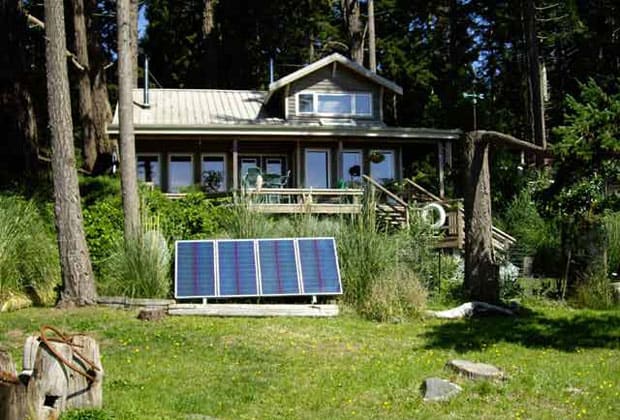
- Solar Panels: Capture sunlight and convert it into direct current (DC) electricity.
- Charge Controller: Regulates the voltage and current coming from the panels to protect your batteries.
- Batteries: Store energy for use during cloudy days or at night.
- Inverter: Converts DC electricity from the batteries into alternating current (AC) for household appliances.
- Wiring and Mounts: Connect and secure the system components.
Each part plays a vital role in ensuring you have reliable and safe power, especially in remote locations where grid access isn’t available.
Planning Your Solar Setup: Key Considerations
Before purchasing any equipment, it’s crucial to assess your energy needs. Start by listing every device and appliance you plan to run, then estimate their daily power consumption in watt-hours. This helps determine the size of your system and prevents costly over- or under-sizing.
Other factors to consider include:
- Sunlight Hours: The amount of direct sunlight your location receives will impact system performance.
- Seasonal Variations: Power output can drop in winter or during extended cloudy periods, so plan for extra battery storage if needed.
- Expansion Plans: If you anticipate adding more appliances or buildings, design your system with scalability in mind.
Typical Costs for a Beginner Off-Grid Solar System
The price of setting up a solar system varies widely depending on your energy needs, equipment quality, and installation choices. Here’s a breakdown of average costs for a small, beginner-friendly setup:
| Component | Estimated Cost (USD) |
|---|---|
| Solar Panels (400–800W) | $400–$1,000 |
| Charge Controller | $50–$200 |
| Batteries (2–4 kWh) | $600–$2,000 |
| Inverter (1,000–2,000W) | $200–$500 |
| Wiring, Mounts, Misc. | $200–$500 |
| Total (DIY Install) | $1,450–$4,200 |
If you hire a professional installer, labor can add another $1,000–$3,000 to your total. While upfront costs may seem high, remember that off-grid solar eliminates monthly utility bills and can pay for itself over time.
Installation Steps for First-Time Users
Setting up your own solar system is achievable with basic DIY skills and careful planning. Here’s a simplified overview for those new to solar:
- Site Assessment: Choose a sunny, unobstructed location for your panels.
- Mounting Panels: Secure panels on a roof or ground mount, angled for maximum sun exposure.
- Wiring: Connect panels to the charge controller, then to batteries, and finally to the inverter.
- Testing: Power up the system, check all connections, and monitor output.
- Safety Checks: Ensure all wiring is weatherproof and components are protected from the elements.
Many beginners find it helpful to consult guides or online communities for troubleshooting tips. For a deeper dive into homesteading essentials, the modern homesteading beginner mistakes article can help you avoid common errors in your first year.
Maintenance and Troubleshooting Tips
Keeping your solar system running smoothly requires periodic checks and simple maintenance:
- Clean solar panels every few months to remove dust and debris.
- Inspect wiring and connections for signs of wear or corrosion.
- Monitor battery voltage and replace batteries as they age (typically every 5–10 years).
- Check your charge controller and inverter for error messages or abnormal readings.
Addressing small issues early can prevent costly repairs and keep your system efficient.
Common Challenges and How to Overcome Them
First-time users often face a learning curve with energy management and system sizing. Here are a few tips to help you succeed:
- Start Small: Begin with a modest system and expand as your needs grow and your confidence increases.
- Monitor Usage: Use a power meter to track consumption and identify energy hogs.
- Backup Options: Consider a generator or alternative backup for extended cloudy periods.
- Stay Informed: Read reliable resources, such as this comprehensive guide to off-grid homesteading essentials, to learn from experienced off-gridders.
With patience and ongoing learning, you’ll gain the skills needed to maintain a reliable, efficient solar setup.
FAQs About Getting Started With Off-Grid Solar
How much solar power do I need for a small cabin or tiny home?
The amount of solar power required depends on your daily energy use. For a basic setup running lights, a small fridge, and charging devices, a 400–800 watt solar array with 2–4 kWh of battery storage is often sufficient. Calculate your total watt-hours per day and add a buffer for cloudy days.
Can I install an off-grid solar system myself?
Many beginners successfully install their own systems, especially smaller setups. However, if you’re unsure about electrical work or local codes, consider hiring a professional for at least the final connections and safety checks.
What are the ongoing costs after installation?
After the initial investment, ongoing expenses are minimal. The main costs are battery replacements every 5–10 years and occasional component upgrades. Regular cleaning and inspection help keep maintenance costs low.
Conclusion
Embracing off-grid solar power for beginners is a practical way to achieve energy independence and reduce your environmental footprint. By understanding the essential components, planning your setup carefully, and budgeting realistically, you’ll be well on your way to a successful, self-sufficient lifestyle. For more tips on managing your homestead, check out resources like the modern homesteading budgeting tips guide to make the most of your investment.