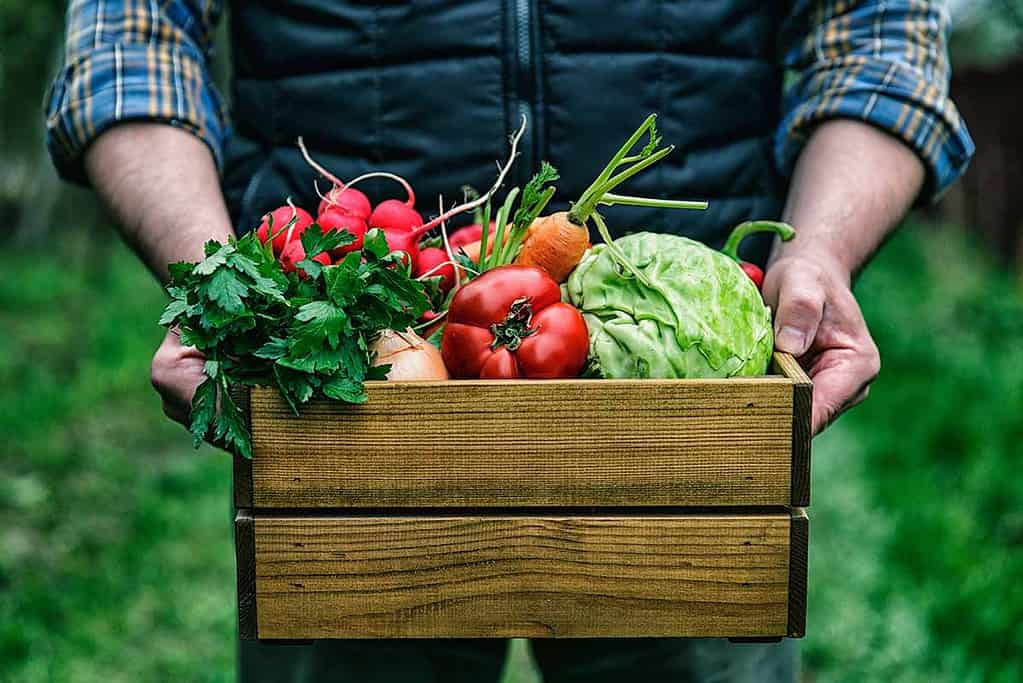
Living independently from public utilities is a dream for many who value self-sufficiency, sustainability, and resilience. As technology advances, more homesteaders are discovering that off-grid homestead automation can dramatically improve daily life, making it easier to manage resources, reduce waste, and maintain comfort—without sacrificing the core values of off-grid living.
This guide explores how smart systems can help you monitor and control energy use, automate essential tasks, and create a more efficient, productive homestead. Whether you’re just starting out or looking to upgrade your existing setup, you’ll find practical advice and real-world solutions to help you make the most of your off-grid lifestyle.
For those interested in maximizing their food production while managing energy, learning how to grow vegetables in small spaces can complement your automation strategy and help you get the most from every square foot of your property.
Why Automate Your Off-Grid Homestead?
Automation isn’t just for modern city homes. In fact, smart systems can be even more valuable in remote settings, where every watt and drop of water counts. Here are some key reasons to consider automating your off-grid setup:
- Efficiency: Automated controls ensure that energy is used only when needed, reducing waste and saving resources.
- Convenience: Systems can handle routine tasks like watering gardens, opening chicken coop doors, or switching appliances on and off—freeing up time for more important work.
- Reliability: Automation can help prevent costly mistakes, such as running batteries too low or forgetting to close a greenhouse vent during a storm.
- Data-Driven Decisions: Smart sensors and monitors provide real-time feedback, helping you optimize your setup for changing weather, seasons, and needs.
Core Components of Smart Energy Management
At the heart of any automated off-grid homestead is a robust energy system. Here’s how you can integrate technology to make your setup smarter and more sustainable:
Solar and Battery Monitoring
Modern solar charge controllers and inverters often come with built-in monitoring features. These allow you to track power production, battery status, and consumption from a smartphone or computer. By setting up alerts or automated cutoffs, you can prevent over-discharge and extend battery life.
Some systems even let you prioritize loads, so critical appliances (like freezers or water pumps) always have power, while less important devices are switched off when energy is low.
Automated Watering and Irrigation
Water is often a precious resource off the grid. Smart irrigation controllers can be programmed to water gardens or orchards based on soil moisture, weather forecasts, or time of day. This ensures plants get exactly what they need, while minimizing waste.
For those growing food, combining automated watering with knowledge from guides like how to grow onions from bulbs can help you optimize both plant health and resource use.
Smart Lighting and Appliance Control
Lighting and appliances can be significant energy draws. Smart switches, timers, and occupancy sensors allow you to control when and how these devices operate. For example, you can schedule lights to turn off at sunrise, or use motion sensors to illuminate pathways only when needed. Appliances like water heaters or pumps can be set to run during peak solar production hours, maximizing the use of renewable energy.
Popular Automation Solutions for Off-Grid Living
There are many ways to bring automation into your homestead, from DIY solutions to commercial products. Here are some of the most effective and accessible options:
- Remote Monitoring Hubs: These devices collect data from various sensors—such as temperature, humidity, battery voltage, and water levels—and display it on a central dashboard or app.
- Automated Chicken Coop Doors: Timed or light-sensing doors can open and close automatically, protecting your flock and saving you daily trips.
- Greenhouse Climate Control: Automated vents, fans, and heaters can maintain optimal growing conditions, even when you’re away from home.
- Smart Plugs and Relays: These allow you to control any standard appliance remotely or on a schedule, making it easy to automate everything from coffee makers to well pumps.
For a deeper look at the off-grid lifestyle and its benefits, see this comprehensive guide to living off-grid and homesteading.
Tips for Getting Started with Automated Energy Systems
Transitioning to a smarter, more efficient homestead doesn’t have to be overwhelming. Here are some practical steps to help you begin:
- Assess Your Needs: Identify which tasks take the most time or use the most energy. Start with automating these areas for the biggest impact.
- Choose Compatible Devices: Make sure your automation tools work with your existing power system (DC or AC, voltage, etc.) and can be integrated with each other.
- Start Small: Begin with a single project, such as automated irrigation or lighting, and expand as you gain confidence and experience.
- Monitor and Adjust: Use data from your smart systems to fine-tune settings and schedules, maximizing efficiency and comfort.
- Plan for Redundancy: Always have manual overrides or backups in place in case of system failure or extreme weather.
Integrating Automation with Food Production
One of the most rewarding aspects of off-grid living is growing your own food. Automation can play a key role in making this process more reliable and less labor-intensive. For example, automated watering ensures that crops receive consistent moisture, even during busy periods or vacations. Smart greenhouse controls can extend your growing season, while automated lighting can supplement natural sunlight during short winter days.
If you’re looking for more inspiration, check out these tips on the best vegetables to grow at home and how to make your garden more productive with minimal effort.
Common Challenges and How to Overcome Them
While the benefits of automation are significant, there are also some challenges to consider:
- Power Limitations: Off-grid systems have finite resources. It’s important to size your automation devices appropriately and prioritize essential tasks.
- Weather and Environment: Harsh conditions can damage electronics. Choose rugged, weatherproof equipment and install it in protected locations.
- Technical Know-How: Some systems require basic wiring or programming skills. Many manufacturers offer plug-and-play solutions, but DIYers should be prepared to learn and troubleshoot.
- Cost: While automation can save money in the long run, initial setup costs can be high. Start with the most impactful upgrades and expand over time.
FAQ
What are the most important tasks to automate on an off-grid homestead?
The most impactful areas for automation are energy management (like solar and battery monitoring), water systems (such as automated irrigation), and livestock care (including automatic coop doors). These systems help conserve resources and reduce daily workload.
Can automation work with limited or variable power sources?
Yes, many smart devices are designed for low-power operation and can be scheduled to run during periods of high energy production. Prioritizing essential loads and using efficient equipment is key to successful automation off the grid.
Is it possible to automate a homestead without internet access?
Absolutely. Many automation systems operate locally using wireless protocols like Zigbee or Z-Wave, or even simple timers and relays. While internet connectivity can add remote monitoring capabilities, it’s not required for most basic automations.
Conclusion
Integrating smart technology into your off-grid homestead can transform the way you manage energy, water, and daily chores. By starting with the most essential systems and expanding as your needs grow, you can enjoy greater efficiency, comfort, and peace of mind—while staying true to the principles of self-reliance and sustainability. For more practical advice on gardening, timing your planting, or choosing easy crops, explore resources like when to plant vegetables in spring and easy vegetables for beginners to grow to round out your automated homestead journey.