
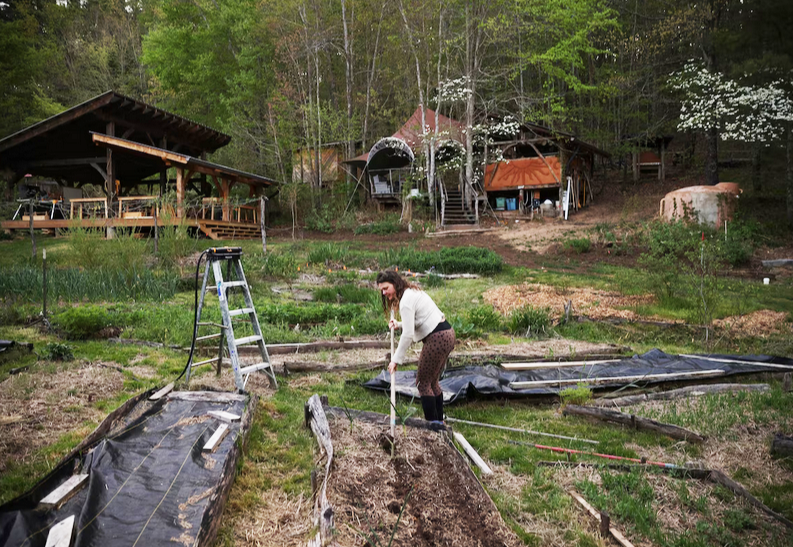
Interest in modern homesteading sustainable home design has grown rapidly as more people seek to live in harmony with nature while enjoying the comforts of contemporary living. This approach blends traditional self-sufficiency with innovative building techniques, energy efficiency, and a strong focus on environmental stewardship. Whether you’re planning a new build or renovating an existing property, understanding the principles behind this movement can help you create a home that is both eco-friendly and resilient for years to come.
One of the key aspects of sustainable living is growing your own food. If you’re new to gardening, you might find resources like how to grow onions from bulbs especially helpful as you begin your journey toward self-reliance.
Core Principles of Eco-Friendly Homestead Architecture
At the heart of every sustainable homestead is a commitment to minimizing environmental impact while maximizing comfort and functionality. This involves careful planning and the use of materials and systems that support long-term resource conservation. Here are some guiding principles:
- Energy Efficiency: Incorporate passive solar design, high-quality insulation, and energy-efficient windows to reduce heating and cooling needs.
- Natural Materials: Use locally sourced, renewable, or recycled materials such as straw bale, cob, or reclaimed wood to lower your carbon footprint.
- Water Conservation: Install rainwater harvesting systems, greywater recycling, and low-flow fixtures to make the most of every drop.
- Healthy Indoor Air: Choose non-toxic paints, natural finishes, and proper ventilation to ensure a safe living environment.
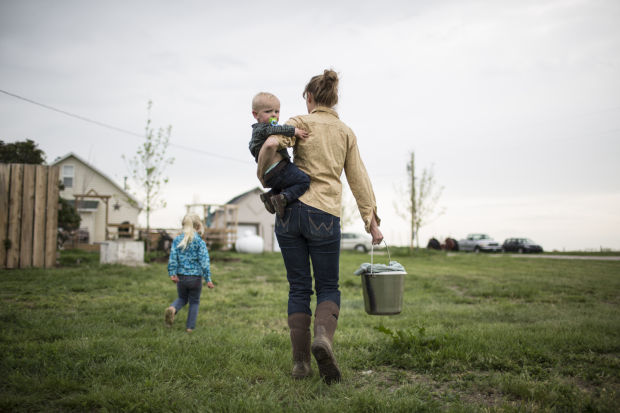
Designing for Self-Sufficiency and Resilience
Building a home that supports a self-reliant lifestyle requires more than just energy efficiency. It means designing spaces and systems that allow you to produce food, manage waste, and adapt to changing conditions. Here are some essential features to consider:
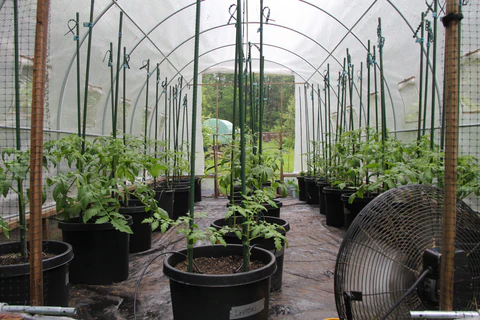
- Edible Landscaping: Integrate gardens, orchards, and perennial food plants into your property layout for year-round harvests.
- Renewable Energy: Solar panels, wind turbines, and micro-hydro systems can provide clean, reliable power and reduce dependence on the grid.
- Composting Toilets: These systems turn waste into valuable fertilizer, reducing water use and closing the nutrient loop.
- Flexible Spaces: Design multipurpose rooms that can adapt to changing needs, such as home offices, workshops, or guest quarters.
For those with limited outdoor space, urban gardening is a practical solution. Check out tips on how to grow vegetables in small spaces to maximize your harvest even in compact environments.
Integrating Modern Homesteading Sustainable Home Design Techniques
Applying the concepts of modern homesteading sustainable home design means blending the best of old and new. Here are some practical strategies to bring these ideas to life:
- Passive Solar Orientation: Position your home to capture sunlight in winter and provide shade in summer, reducing reliance on mechanical heating and cooling.
- Thermal Mass: Use materials like stone, adobe, or concrete to store heat during the day and release it at night, stabilizing indoor temperatures.
- Natural Ventilation: Design windows and vents to promote cross-breezes and reduce the need for air conditioning.
- Green Roofs and Living Walls: These features insulate your home, manage stormwater, and provide habitat for beneficial insects and birds.
For more inspiration and practical advice, the Introduction to Modern Homesteading podcast offers expert insights into creating a resilient and sustainable lifestyle.
Choosing Materials for a Greener Home
The materials you select play a major role in the environmental impact and longevity of your home. Prioritize options that are durable, low-maintenance, and produced with minimal energy. Some popular choices include:
- Reclaimed Wood: Adds character and reduces demand for new lumber.
- Natural Insulation: Materials like sheep’s wool, cellulose, or hemp offer excellent thermal performance without harmful chemicals.
- Earthen Plasters: Clay and lime plasters regulate humidity and improve indoor air quality.
- Recycled Metal Roofing: Durable and often made from post-consumer materials, metal roofs reflect heat and last for decades.
When sourcing materials, look for local suppliers to cut down on transportation emissions and support your regional economy.
Smart Systems for Energy and Water Management
Efficient resource management is a cornerstone of any sustainable homestead. Here are some systems to consider:
- Solar Water Heating: Use the sun’s energy to provide hot water for bathing and cleaning.
- Rainwater Harvesting: Collect and store rainwater for irrigation, flushing toilets, or even potable use with proper filtration.
- Greywater Recycling: Reuse water from sinks, showers, and laundry to irrigate landscaping.
- Energy Monitoring: Install smart meters and home automation to track usage and identify savings opportunities.
These systems not only reduce utility bills but also increase your home’s resilience in the face of supply disruptions or extreme weather.
Creating a Healthy Living Environment
Beyond energy and resource efficiency, a truly sustainable home supports the well-being of its occupants. Focus on:
- Daylighting: Maximize natural light to reduce the need for artificial lighting and boost mood.
- Indoor Air Quality: Use low-VOC paints, natural finishes, and proper ventilation to minimize pollutants.
- Connection to Nature: Design outdoor living areas, large windows, and views of gardens or natural landscapes to foster a sense of peace and connection.
Growing your own produce also contributes to a healthy lifestyle. Beginners can explore the best vegetables to grow at home for fresh, nutritious meals straight from the garden.
Frequently Asked Questions
What are the main benefits of modern homesteading-inspired home design?
Homes built with these principles offer lower utility bills, improved indoor air quality, and greater independence from external resources. They are also typically more comfortable and resilient to environmental changes.
How much does it cost to build a sustainable homestead?
Costs vary widely depending on location, materials, and design complexity. While some features may have higher upfront costs, long-term savings on energy, water, and maintenance often offset the investment over time.
Can I apply these principles to an existing home?
Absolutely. Many sustainable features—such as improved insulation, energy-efficient appliances, rainwater collection, and edible landscaping—can be retrofitted to existing properties. Start with small projects and build up as your budget allows.
Conclusion: Building for the Future
Embracing the concepts of modern homesteading sustainable home design means creating a living space that is efficient, comfortable, and deeply connected to the land. By prioritizing energy efficiency, renewable resources, and healthy materials, you can enjoy a lifestyle that is both rewarding and responsible. Whether you are starting from scratch or making gradual improvements, every step toward sustainability brings you closer to a resilient and fulfilling way of life.