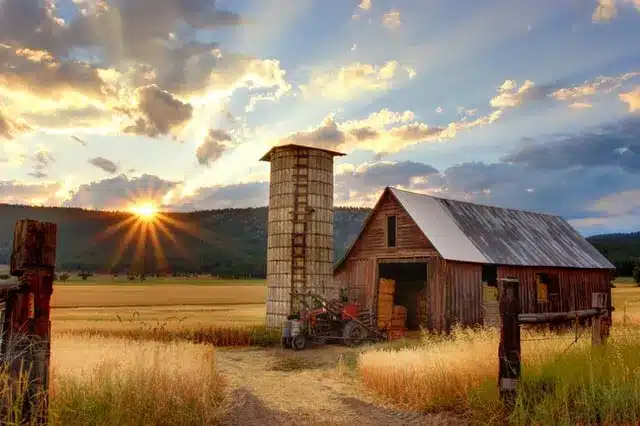
For those embracing a self-sufficient lifestyle, learning the essentials of seed saving is a practical and empowering step. Preserving seeds from your own garden allows you to cultivate crops that are well-adapted to your local climate, save money, and maintain control over your food supply. This modern homesteading seed saving guide covers the fundamentals, from selecting the right plants to storing seeds for future seasons, ensuring your garden thrives year after year.
Whether you’re a seasoned grower or just starting out, understanding how to save seeds effectively can make your homestead more resilient and sustainable. Along the way, you’ll discover tips for choosing the best varieties, preventing cross-pollination, and troubleshooting common challenges. For more on growing specific crops, check out this helpful resource on how to grow onions from bulbs to expand your gardening skills.
Why Seed Saving Matters for Modern Homesteaders
Saving seeds is more than a traditional practice—it’s a cornerstone of modern homesteading. By harvesting and storing seeds from your healthiest plants, you’re not only reducing reliance on commercial seed suppliers but also preserving genetic diversity in your garden. Over time, this can lead to crops that are better suited to your soil, climate, and growing conditions.
Additionally, seed saving supports food security and independence, two values at the heart of the homesteading movement. If you’re interested in the broader philosophy and evolution of today’s homesteads, explore what defines a modern homestead and how these principles shape contemporary self-reliant living.
Choosing the Right Plants for Seed Collection
Not all plants are equally suited for seed saving. For the best results, focus on open-pollinated or heirloom varieties, as these reliably produce offspring true to the parent plant. Hybrid varieties, on the other hand, often result in unpredictable traits in the next generation.
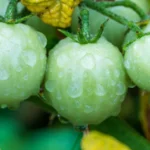
- Self-pollinating crops: Tomatoes, beans, peas, and lettuce are excellent choices for beginners since they tend to breed true and are less likely to cross-pollinate.
- Cross-pollinating crops: Squash, cucumbers, corn, and melons require more care to prevent unwanted cross-pollination. Consider isolation distances or physical barriers if you plan to save seeds from these plants.
Start with a few easy crops and expand as your confidence grows. For those with limited space, you might also be interested in strategies for how to grow vegetables in small spaces while still practicing seed saving.
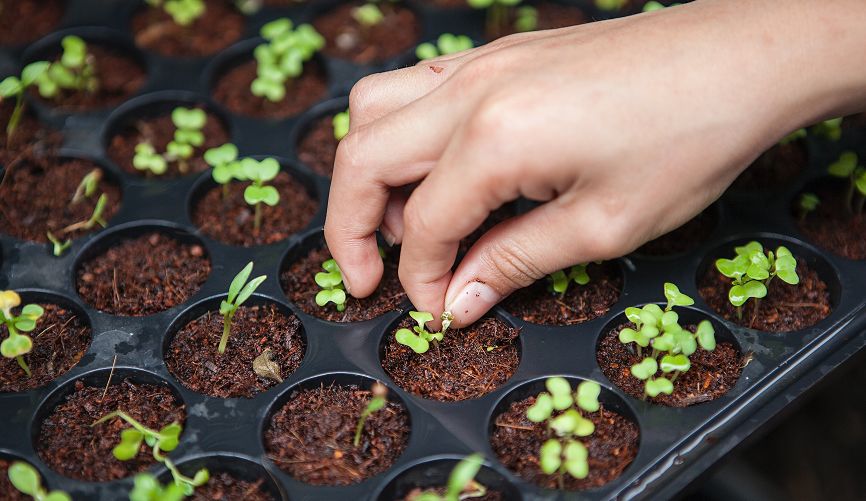
Steps for Successful Seed Harvesting
Proper timing and technique are crucial for collecting viable seeds. Here’s a step-by-step overview to guide your efforts:
- Allow seeds to mature fully: For most vegetables, this means letting fruits or pods ripen past the eating stage. For example, beans and peas should dry on the plant, while tomatoes should be fully ripe.
- Harvest at the right moment: Pick seeds on a dry day to minimize moisture, which can cause mold or rot during storage.
- Extract seeds carefully: For wet-seeded crops like tomatoes and cucumbers, scoop out seeds and ferment them in water for a few days to remove the gelatinous coating. For dry-seeded plants, simply shell or thresh the seeds from pods or heads.
- Clean and dry seeds thoroughly: Remove any plant debris and spread seeds in a single layer on a paper towel or screen. Allow them to air dry for at least a week in a cool, well-ventilated area.
Storing Seeds for Longevity
Once your seeds are dry, proper storage is key to maintaining their viability. Follow these guidelines to ensure your collection lasts from season to season:
- Use airtight containers: Glass jars, metal tins, or resealable plastic bags work well. Label each container with the crop, variety, and date of harvest.
- Store in a cool, dark, and dry place: A basement, closet, or even the refrigerator can help prolong seed life. Avoid areas with fluctuating temperatures or high humidity.
- Monitor for pests and moisture: Check your seeds periodically for signs of mold or insect activity. Silica gel packets or powdered milk can be added to absorb excess moisture.
With the right care, many seeds remain viable for several years. Beans, peas, and tomatoes often last 3–5 years, while onions and parsnips are best used within a year.

Preventing Cross-Pollination and Maintaining Purity
One of the main challenges in seed saving is preventing unwanted cross-pollination, especially for crops that rely on insects or wind for pollination. Here are some practical strategies:
- Isolation distances: Plant different varieties of the same species far enough apart to reduce the risk of cross-pollination. Research recommended distances for each crop.
- Physical barriers: Use row covers, cages, or mesh bags to separate flowers and control pollinator access.
- Hand pollination: For small-scale gardens, manually transferring pollen with a brush ensures genetic purity.
Maintaining seed purity is especially important if you plan to share or trade seeds with others in the homesteading community.
Testing Seed Viability Before Planting
Before sowing saved seeds, it’s wise to check their germination rate. This simple test helps you avoid disappointment and ensures strong crops:
- Place 10 seeds on a damp paper towel, fold, and seal in a plastic bag.
- Keep the bag in a warm spot for several days, checking regularly for sprouting.
- Count the number of seeds that germinate. If 8 out of 10 sprout, you have an 80% germination rate—excellent for planting.
If germination rates are low, sow seeds more densely or consider replenishing your supply with fresh stock.
Expanding Your Seed Saving Skills
As you gain experience, experiment with saving seeds from a wider range of crops. Each plant family has its own quirks, so research best practices for each type. For inspiration on what to grow, review the best vegetables to grow at home and select varieties that perform well in your region.
Joining local seed swaps or online forums can also help you connect with other gardeners, exchange seeds, and share knowledge. Over time, your seed collection will become a valuable resource tailored to your unique homestead.
Common Mistakes and How to Avoid Them
Even experienced gardeners can encounter setbacks when saving seeds. Here are some frequent pitfalls and solutions:
- Saving from unhealthy plants: Always select seeds from your strongest, most productive specimens to encourage desirable traits.
- Improper drying: Rushing the drying process can lead to mold or poor germination. Ensure seeds are completely dry before storage.
- Poor labeling: Failing to record variety and harvest date can cause confusion later. Always label containers clearly.
- Neglecting isolation: Not separating varieties can result in unexpected hybrids. Use barriers or distance as needed.
Frequently Asked Questions
How long can I store saved seeds?
Most seeds remain viable for 1–5 years if kept cool, dry, and in airtight containers. Some, like beans and tomatoes, last several years, while others, such as onions, are best used within a year.
Can I save seeds from grocery store produce?
It’s possible, but not always reliable. Many store-bought fruits and vegetables are hybrids, so their seeds may not produce true-to-type plants. For best results, save seeds from open-pollinated or heirloom varieties grown in your own garden.
What’s the difference between open-pollinated and hybrid seeds?
Open-pollinated seeds produce offspring true to the parent plant, making them ideal for seed saving. Hybrid seeds are the result of crossing two different varieties and may not yield consistent results in subsequent generations.
Conclusion
Mastering the art of seed saving is a rewarding way to enhance your homestead’s sustainability and self-reliance. By following the steps outlined in this modern homesteading seed saving guide, you’ll be well-equipped to preserve your favorite crops, adapt to changing conditions, and share your bounty with others. For those just beginning their gardening journey, consider starting with easy vegetables for beginners to grow and gradually expand your seed-saving repertoire. With patience and practice, your garden will flourish season after season.