The landscape of homesteading has evolved dramatically in recent years. While the core values of self-sufficiency, sustainability, and connection to the land remain, today’s homesteaders are increasingly blending traditional practices with modern homesteading modern tools integration. This approach allows for greater efficiency, improved yields, and a more manageable lifestyle—whether you’re on a rural acreage or transforming a suburban backyard.
In this guide, we’ll explore how contemporary tools and technologies are reshaping the homesteading experience. From solar energy systems and smart irrigation to digital garden planning and automated livestock care, integrating new solutions can help you maximize productivity while minimizing labor. If you’re looking to get started or refine your setup, you’ll also find practical tips and resources for balancing innovation with the timeless rhythms of homestead life.
For those interested in expanding their gardening skills, learning how to grow onions from bulbs is a great way to start integrating new techniques with classic crops. Early adoption of both digital and hands-on methods can make your homestead more resilient and productive.
Blending Tradition with Technology on the Homestead
Homesteading is rooted in age-old practices, but today’s homesteaders have access to a wide range of modern equipment and digital resources. The key to successful modern homesteading modern tools integration is finding a balance that supports your values and goals.
- Preserving core skills: Skills like seed saving, composting, and animal husbandry remain essential. Modern tools should enhance, not replace, this knowledge.
- Adopting new solutions: Solar panels, water-saving irrigation, and energy-efficient appliances can reduce your environmental impact and utility costs.
- Continuous learning: Online courses, forums, and apps offer a wealth of information for troubleshooting and optimizing your homestead.
By thoughtfully integrating technology, you can streamline daily chores, monitor resources, and make data-driven decisions—without losing the hands-on satisfaction that defines homesteading.
Essential Modern Tools for the Productive Homestead
Choosing the right equipment can make a significant difference in your homestead’s efficiency and sustainability. Below are some of the most impactful tools and systems that today’s homesteaders are adopting:
.webp?width=900&height=450&name=Header_FreeRangevsChickenRunWhichisBestforHomesteading%20(1).webp)
Renewable Energy Systems
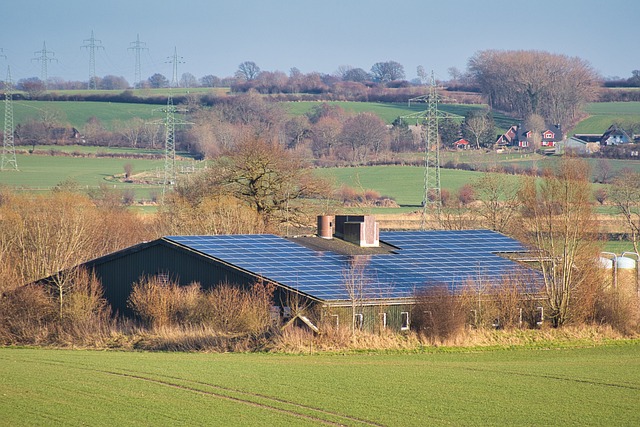
Solar panels and small wind turbines are increasingly common on modern homesteads. These systems provide reliable, off-grid power for lighting, refrigeration, water pumps, and electric fencing. Many homesteaders also use battery storage to ensure energy availability during cloudy days or at night. For more tips on reducing energy use, see these modern homesteading household energy saving tips.
Smart Irrigation and Water Management
Efficient water use is crucial for both crops and livestock. Drip irrigation systems, moisture sensors, and programmable timers help deliver water precisely where and when it’s needed. Rainwater harvesting setups can further reduce reliance on municipal or well water, while greywater recycling systems can provide additional irrigation sources.
Automated Livestock Care
Technology is making animal care easier and more humane. Automatic feeders, waterers, and climate-controlled coops ensure consistent care for chickens, goats, and other animals. Remote cameras and sensors allow you to monitor animal health and security from your smartphone or computer, even when you’re away from the property.
Digital Tools for Planning and Record-Keeping
Keeping track of planting schedules, harvests, and maintenance tasks can be overwhelming. Digital tools and apps are helping homesteaders stay organized and make informed decisions.
- Garden planning software: Apps can help you design garden layouts, track crop rotations, and set reminders for planting and harvesting.
- Livestock management apps: These tools record breeding, health checks, and feed schedules, streamlining animal care.
- Expense and yield tracking: Digital spreadsheets and farm management platforms allow you to monitor costs, yields, and profits over time.
These resources not only save time but also provide valuable data for improving your homestead’s productivity year after year.

Integrating Modern Tools with Sustainable Practices
One of the main goals of modern homesteading modern tools integration is to enhance sustainability. By combining eco-friendly technologies with regenerative practices, homesteaders can reduce waste, conserve resources, and build resilient systems.
- Composting and soil health: Electric composters and soil sensors help maintain nutrient-rich soil, supporting healthy crops and reducing landfill waste.
- Permaculture design: Digital mapping tools can assist in planning food forests, swales, and other permaculture elements for maximum efficiency.
- Resource monitoring: Smart meters and sensors track energy, water, and input usage, helping you identify opportunities to cut waste and costs.
For those working with limited space, integrating vertical gardens, container systems, and compact tools can make urban or suburban homesteading more productive. If you’re interested in maximizing small plots, check out these tips on how to grow vegetables in small spaces.
Learning from the Homesteading Community
The rise of online communities and educational resources has made it easier than ever to share knowledge and learn from others. Forums, social media groups, and blogs offer advice on everything from troubleshooting solar setups to optimizing chicken coops. For a comprehensive look at getting started, see this step-by-step guide to starting a homestead.
By connecting with other homesteaders, you can discover new tools, avoid common pitfalls, and stay motivated through the challenges and successes of self-reliant living.
Common Challenges and How to Overcome Them
While integrating new technology offers many benefits, it also comes with challenges. Here are some common issues and practical solutions:
- Upfront costs: Many modern systems require an initial investment. Start small, prioritize high-impact tools, and look for grants or community programs that support sustainable agriculture.
- Learning curve: New tools can be intimidating. Take advantage of online tutorials, user manuals, and community forums to build your confidence.
- Maintenance: Regular upkeep is essential for both traditional and modern systems. Set reminders and keep spare parts on hand to minimize downtime.
- Balancing tech with tradition: Remember that technology should serve your homestead’s goals, not dictate them. Stay flexible and adapt as your needs change.
By approaching integration thoughtfully, you can enjoy the best of both worlds—efficiency and sustainability, innovation and tradition.
FAQ: Modern Tools and Homesteading
What are the most important modern tools for a new homestead?
Essential tools include solar panels or other renewable energy systems, smart irrigation setups, and digital planning apps. These can help you save time, reduce costs, and increase productivity from the start.
How can I make my homestead more sustainable with technology?
Focus on integrating eco-friendly solutions like rainwater harvesting, composting systems, and energy-efficient appliances. Use digital tools to monitor resource use and identify areas for improvement.
Is it possible to homestead in a small urban or suburban space?
Absolutely. With container gardening, vertical growing systems, and compact tools, you can produce a surprising amount of food and even raise small livestock. For more ideas, see our guide on how to grow vegetables in small spaces.
Where can I learn more about integrating modern tools into homesteading?
Online communities, blogs, and educational resources are excellent places to start. For a comprehensive overview, check out this modern homesteading guide.
Conclusion
The integration of modern tools and technology is transforming homesteading, making it more accessible, efficient, and sustainable for people in all kinds of settings. By thoughtfully blending tradition with innovation, you can create a homestead that meets your needs today and adapts to the challenges of tomorrow. Whether you’re just starting out or looking to optimize your current setup, embracing new solutions can help you achieve your goals and enjoy the rewards of a self-sufficient lifestyle.