In recent years, more people are turning to homesteading as a way to reconnect with nature, simplify their lives, and find greater personal fulfillment. While the practical advantages of growing your own food and living sustainably are well known, the mental health benefits of modern homesteading are just as significant. This approach to daily living can help reduce stress, foster a sense of purpose, and encourage healthier habits, both physically and emotionally.
As you explore the world of homesteading, you’ll discover that it’s not just about self-sufficiency or rural living. Even in suburban or urban settings, adopting homesteading principles can support emotional well-being and provide meaningful routines. From gardening and animal care to DIY projects and seasonal rhythms, these activities offer a natural antidote to the fast pace and digital overload of modern life.
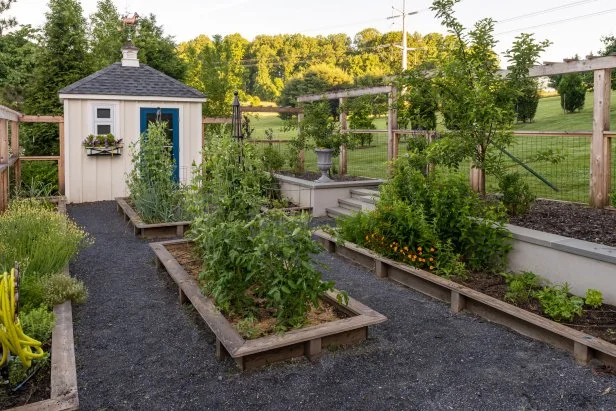
If you’re interested in integrating these practices into your lifestyle, resources like the modern homesteading seasonal living guide can help you get started with seasonal routines that support both productivity and well-being.
Understanding the Connection Between Homesteading and Well-Being
The connection between hands-on living and improved emotional health is supported by both research and countless personal experiences. Engaging in daily tasks such as gardening, animal care, and food preservation provides a sense of accomplishment and routine. These activities can ground us, offering a break from screens and constant notifications.
According to many homesteaders, the act of nurturing plants or animals fosters mindfulness and patience. The focus required for these tasks helps quiet anxious thoughts and encourages presence in the moment. For those seeking a deeper understanding of what defines this lifestyle, the definition of a modern homestead provides a helpful overview.
Key Ways Homesteading Supports Mental Health
There are several specific ways that adopting homesteading practices can support emotional and psychological health. Whether you have a large plot of land or a small backyard, these benefits are accessible to anyone willing to start.
Reducing Stress Through Nature and Routine
Spending time outdoors is one of the most effective ways to lower stress levels. Gardening, tending to animals, and simply being outside can reduce cortisol, the body’s primary stress hormone. Establishing daily or weekly routines—such as watering plants, harvesting vegetables, or maintaining tools—creates structure and predictability, which are important for managing anxiety.

Building Confidence and a Sense of Purpose
Completing tangible tasks—like growing food, repairing a fence, or learning new skills—can boost self-confidence. Each small success reinforces a sense of capability and purpose. For many, this is a powerful antidote to feelings of helplessness or lack of direction that can arise in modern, fast-paced environments.
The satisfaction of seeing a project through from start to finish, such as building a raised garden bed or canning your own produce, provides ongoing motivation and pride. These accomplishments, no matter how small, contribute to a positive self-image and a greater sense of agency.
Encouraging Mindfulness and Physical Activity
Many homesteading activities require focus and attention to detail. Whether you’re planting seeds, weeding, or caring for livestock, these tasks encourage mindfulness—a practice shown to reduce symptoms of depression and anxiety. At the same time, they promote regular movement, which is essential for both physical and mental health.
Unlike traditional exercise routines, the physical activity involved in homesteading is purposeful and varied. This can make it easier to stay active without feeling like you’re following a strict workout regimen.
Community, Connection, and Emotional Resilience
While homesteading often conjures images of solitude, it can actually foster strong community ties. Sharing produce, trading skills, or participating in local markets connects you with others who share similar values. These social interactions are crucial for emotional resilience and can help combat loneliness.
In addition, teaching children or friends about gardening, animal care, or sustainable living can strengthen relationships and provide shared goals. The sense of belonging that comes from being part of a supportive network is a key factor in maintaining good mental health.
Practical Tips for Enhancing Well-Being Through Homesteading
If you’re looking to maximize the positive effects of this lifestyle on your mental health, consider these practical suggestions:
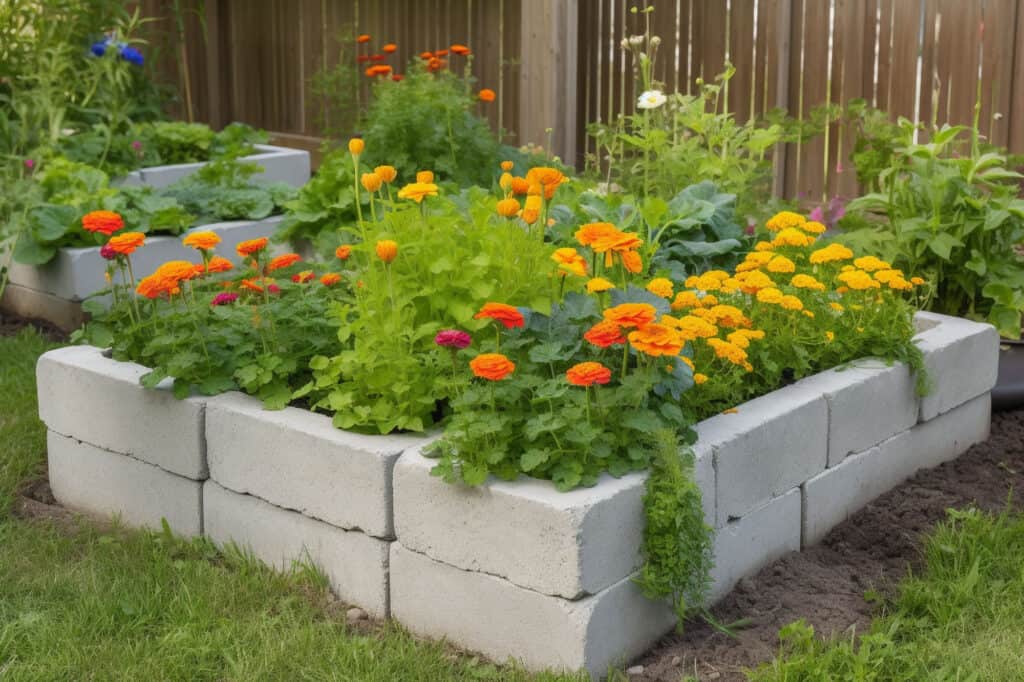
- Start Small: Even a few potted herbs or a small raised bed can provide a sense of accomplishment and connection to nature.
- Establish Routines: Consistent daily or weekly tasks help anchor your day and provide structure.
- Learn New Skills: Take on manageable projects, such as composting or simple repairs, to build confidence and resilience.
- Connect With Others: Join local gardening clubs, online forums, or trade produce with neighbors to foster community.
- Embrace Seasonal Living: Adjust your routines to align with the natural rhythms of the year, which can support both productivity and rest. The seasonal living guide offers more ideas for adapting your lifestyle throughout the year.
Integrating Homesteading With Other Wellness Practices
While the benefits of hands-on living are substantial, they can be even more effective when combined with other wellness strategies. Practices such as journaling, meditation, or regular social activities can complement the routines of gardening and animal care. Over time, these habits reinforce each other, creating a holistic approach to mental and emotional health.
For those interested in expanding their skills, exploring topics like modern homesteading natural pest control or tool maintenance tips can add variety and new challenges to your routine, further supporting a sense of growth and accomplishment.
Frequently Asked Questions
How can I start homesteading if I live in an urban area?
You don’t need acres of land to enjoy the advantages of this lifestyle. Start with container gardening, small raised beds, or indoor herbs. Focus on skills like composting, food preservation, or DIY repairs. Many urban homesteaders also participate in community gardens or share resources with neighbors.
What are some simple ways to reduce stress through homesteading?
Begin with manageable tasks such as watering plants, tending a small vegetable patch, or caring for a few chickens. Establishing a daily routine and spending time outdoors are effective ways to lower stress and support emotional balance.
Can homesteading help with feelings of isolation?
Yes, connecting with others through local gardening groups, farmers’ markets, or online communities can help combat loneliness. Sharing your experiences and learning from others fosters a sense of belonging and support.
Conclusion
Embracing the principles of homesteading offers more than just practical skills or sustainable living—it provides a pathway to improved emotional health and resilience. By integrating nature, routine, and community into daily life, anyone can experience the positive impact of this lifestyle on their overall well-being. Whether you’re just starting out or looking to deepen your practice, the journey toward a healthier, more balanced life begins with a single step.